Plant ID Pages
Plant ID Pages
Plant ID Pages
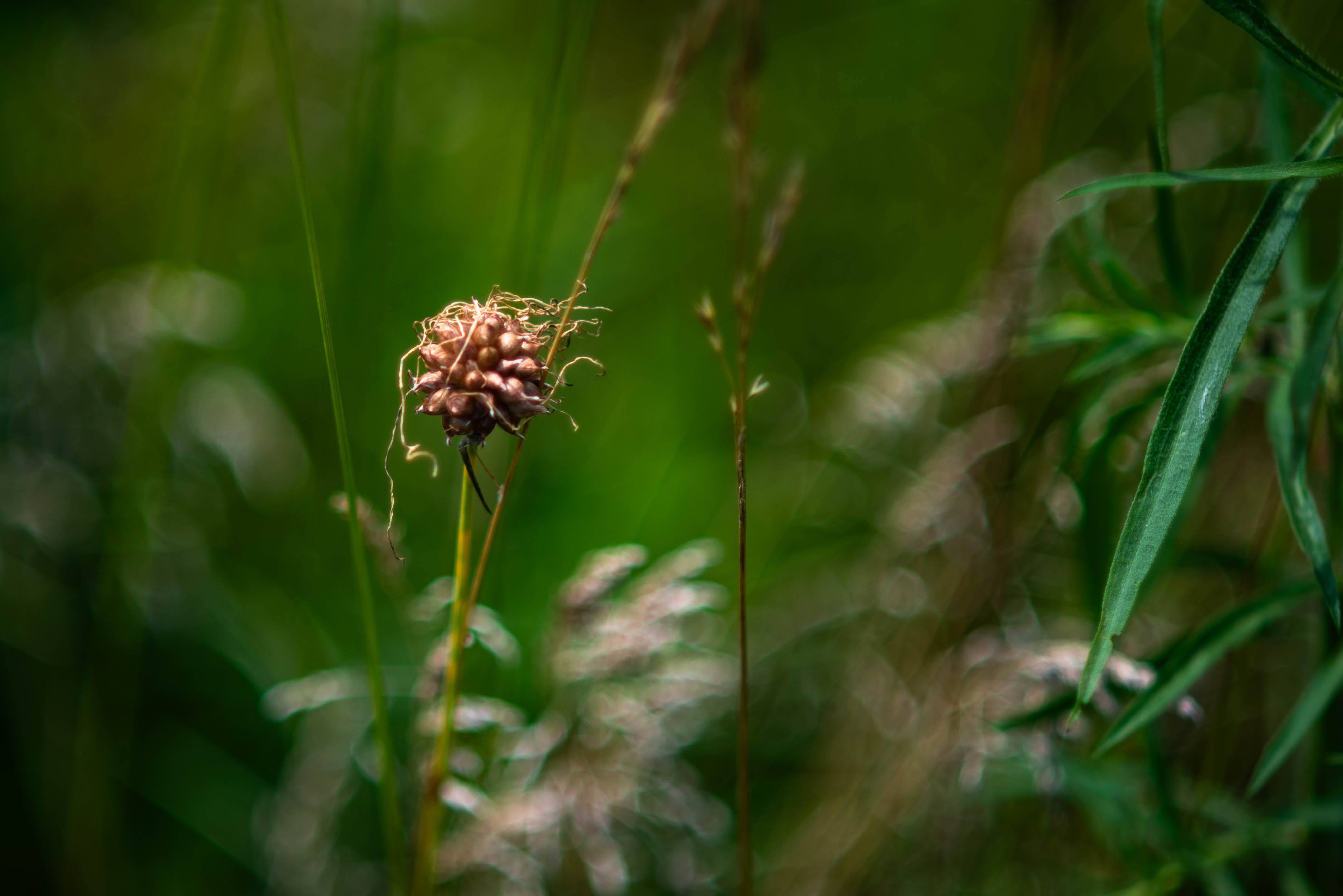
Wild Aliums (Alium vineale/ Alium canadense)
Oniony and bold. A pantry weed with flavor power.
What It Is
Wild garlic and wild onion are among the easiest and most rewarding edible plants to learn. Found in lawns, meadows, roadsides, pastures, and open woodlands throughout much of North America, these hardy native and naturalized alliums bring the familiar flavors of onions, garlic, chives, and scallions to the wild pantry.
Their hollow or flat leaves, underground bulbs, and unmistakable onion aroma make them reliable companions for beginning foragers. Nearly every part of the plant is edible, from the tender spring leaves to the bulbs, flowers, and even the tiny aerial bulbils produced by some species.
The single most important identification feature is simple: if it doesn't smell like onion or garlic, don't eat it.
Field ID Quick Tip
Wild alliums are easy to recognize once you trust your nose.
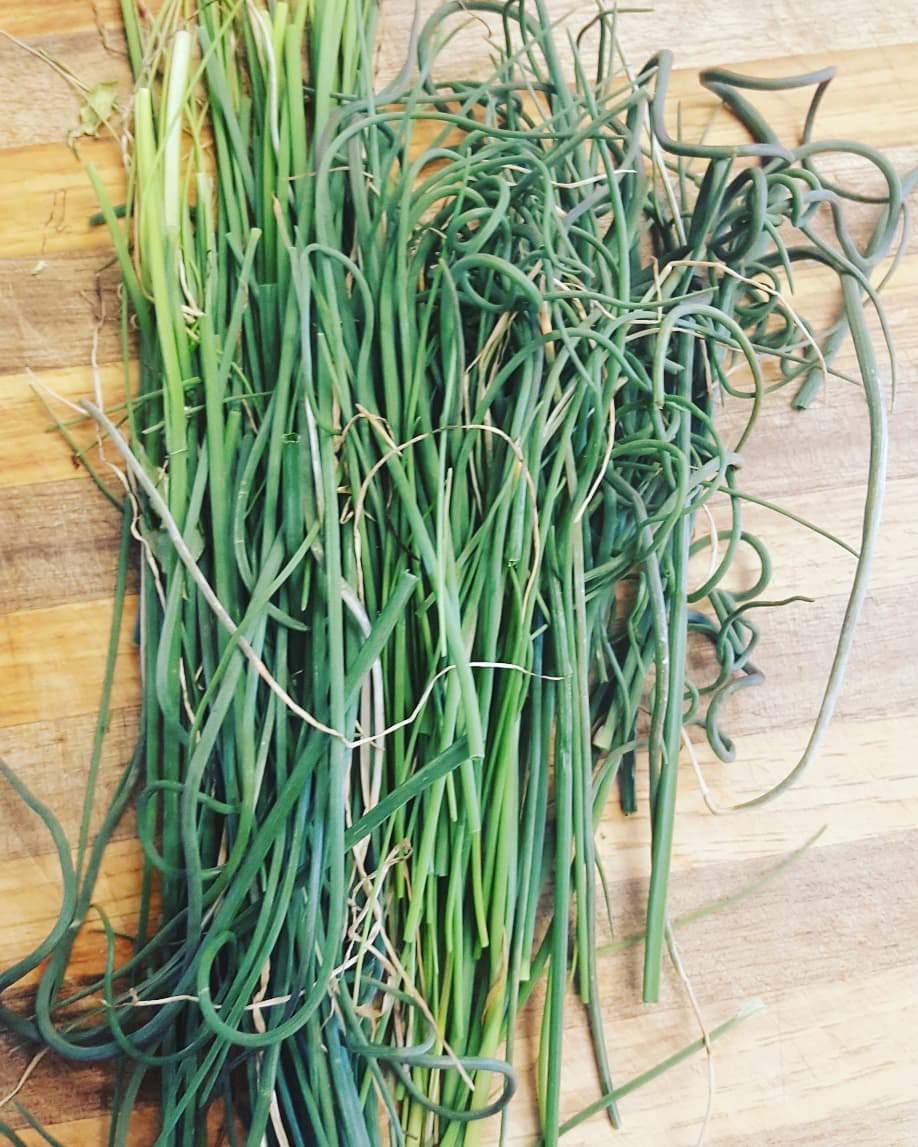
Grass-like leaves growing from a bulb.
Leaves may be hollow (A. vineale) or flat (A. canadense).
White, pink, or lavender flower clusters in spring or early summer.
Distinct onion or garlic aroma when crushed.
Small underground bulbs, with some species also producing aerial bulbils.
Look-Alikes
Death Camas (Toxicoscordion spp.)
Grass-like leaves.
No onion or garlic smell.
Cream-colored flower spikes.
Highly poisonous.
Star-of-Bethlehem (Ornithogalum umbellatum)
Narrow leaves with a white stripe down the center.
White star-shaped flowers.
No onion aroma.
Toxic.
White sap when stems and leaves are broken.
Crow Poison (Nothoscordum bivalve)
Onion-family relative with white, star-shaped flowers.
Usually has a garlic or onion scent when crushed, though often milder than Allium.
Edible, but less commonly harvested than wild onions and garlic.
A nice reminder that not every "look-alike" is dangerous.
Tip: A true wild onion or garlic should smell strongly of onion or garlic when a fresh leaf or bulb is crushed. If you've already been harvesting alliums, the scent can linger on your hands and fool your nose. Rub a clean section of the plant, use a fresh glove, or wash your hands before relying on smell as an identification feature. Never use scent alone—always confirm the leaves, bulbs, flowers, and overall growth habit before harvesting.
Oniony and bold. A pantry weed with flavor power.
What It Is
Wild garlic and wild onion are among the easiest and most rewarding edible plants to learn. Found in lawns, meadows, roadsides, pastures, and open woodlands throughout much of North America, these hardy native and naturalized alliums bring the familiar flavors of onions, garlic, chives, and scallions to the wild pantry.
Their hollow or flat leaves, underground bulbs, and unmistakable onion aroma make them reliable companions for beginning foragers. Nearly every part of the plant is edible, from the tender spring leaves to the bulbs, flowers, and even the tiny aerial bulbils produced by some species.
The single most important identification feature is simple: if it doesn't smell like onion or garlic, don't eat it.
Field ID Quick Tip
Wild alliums are easy to recognize once you trust your nose.
Grass-like leaves growing from a bulb.
Leaves may be hollow (A. vineale) or flat (A. canadense).
White, pink, or lavender flower clusters in spring or early summer.
Distinct onion or garlic aroma when crushed.
Small underground bulbs, with some species also producing aerial bulbils.
Look-Alikes
Death Camas (Toxicoscordion spp.)
Grass-like leaves.
No onion or garlic smell.
Cream-colored flower spikes.
Highly poisonous.
Star-of-Bethlehem (Ornithogalum umbellatum)
Narrow leaves with a white stripe down the center.
White star-shaped flowers.
No onion aroma.
Toxic.
White sap when stems and leaves are broken.
Crow Poison (Nothoscordum bivalve)
Onion-family relative with white, star-shaped flowers.
Usually has a garlic or onion scent when crushed, though often milder than Allium.
Edible, but less commonly harvested than wild onions and garlic.
A nice reminder that not every "look-alike" is dangerous.
Tip: A true wild onion or garlic should smell strongly of onion or garlic when a fresh leaf or bulb is crushed. If you've already been harvesting alliums, the scent can linger on your hands and fool your nose. Rub a clean section of the plant, use a fresh glove, or wash your hands before relying on smell as an identification feature. Never use scent alone—always confirm the leaves, bulbs, flowers, and overall growth habit before harvesting.
Use It Like This
Leaves
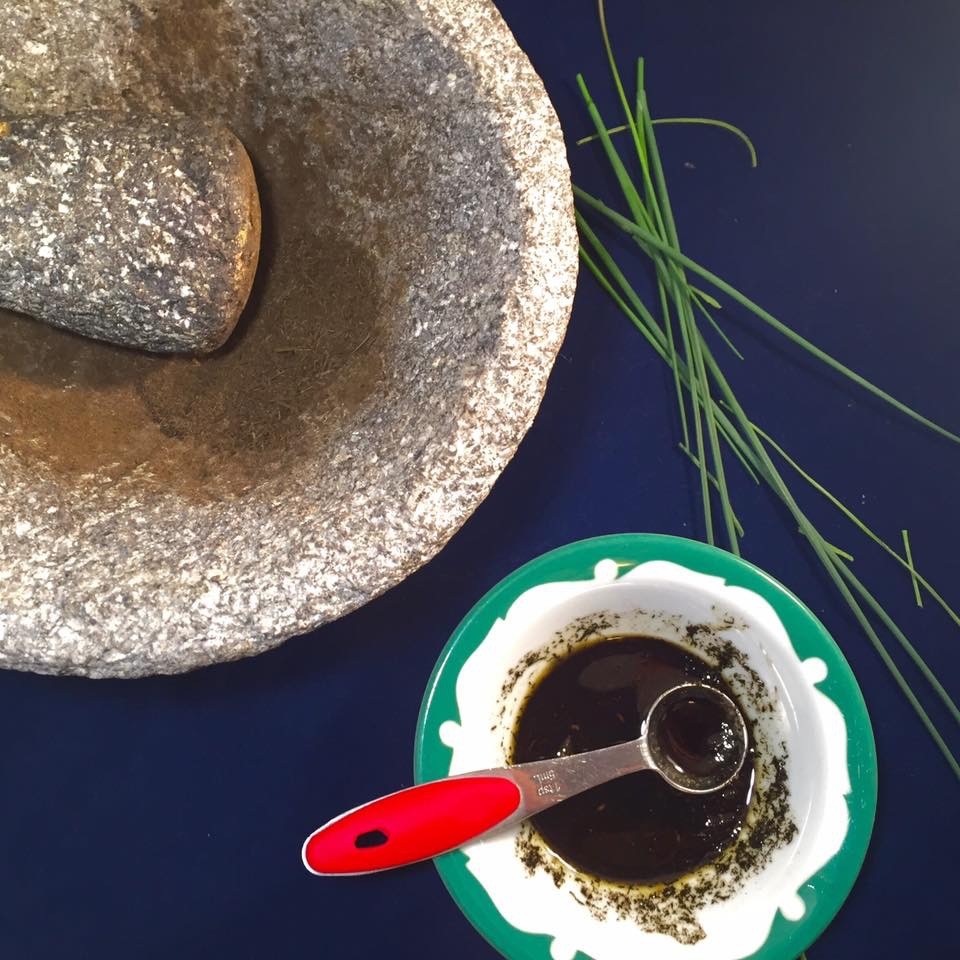
Chop into salads.
Stir into scrambled eggs or omelets.
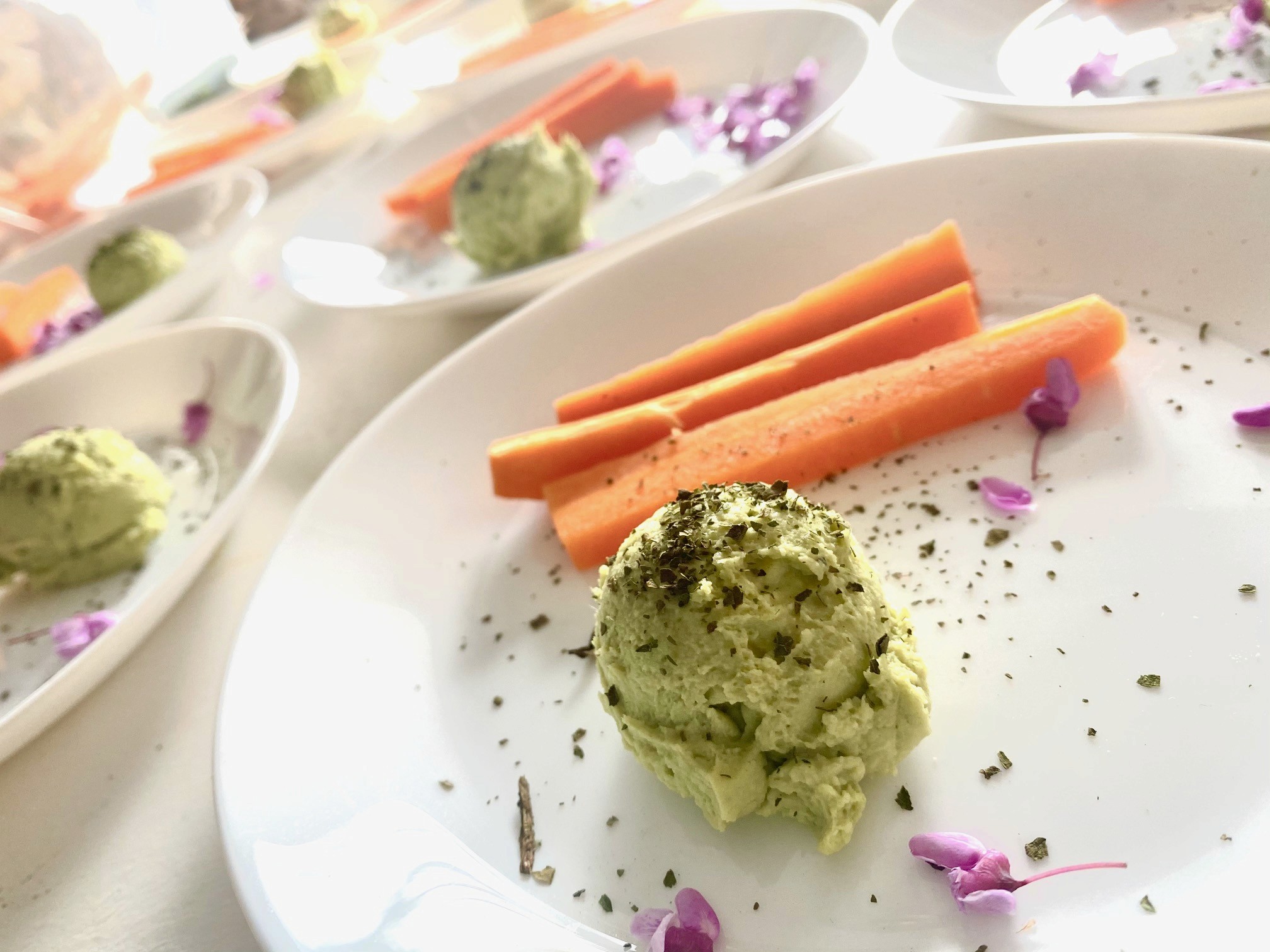
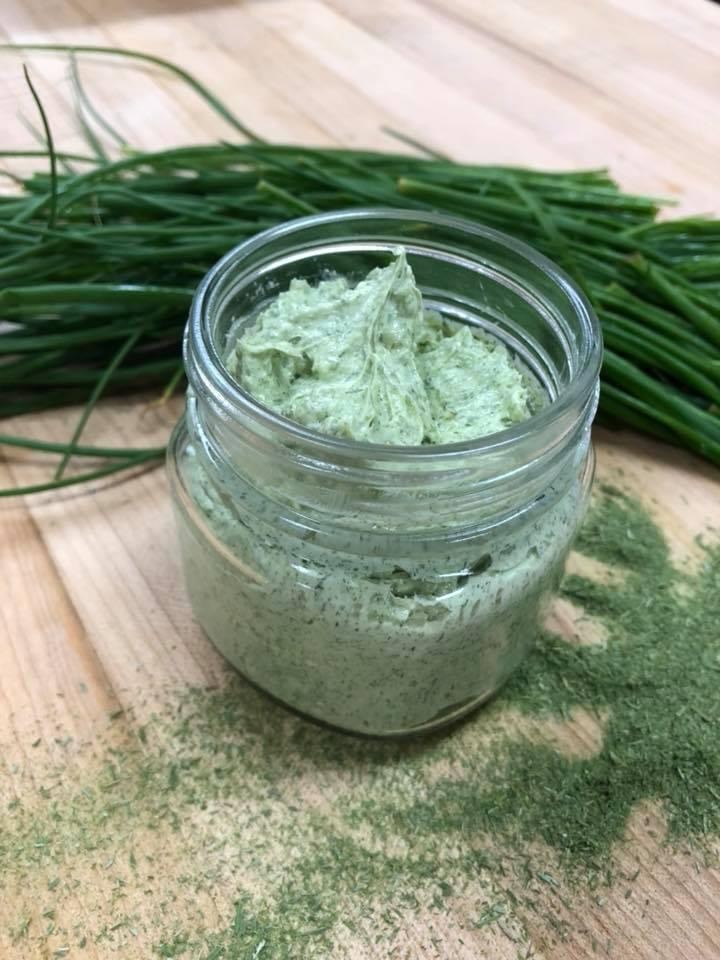
Blend into pesto.
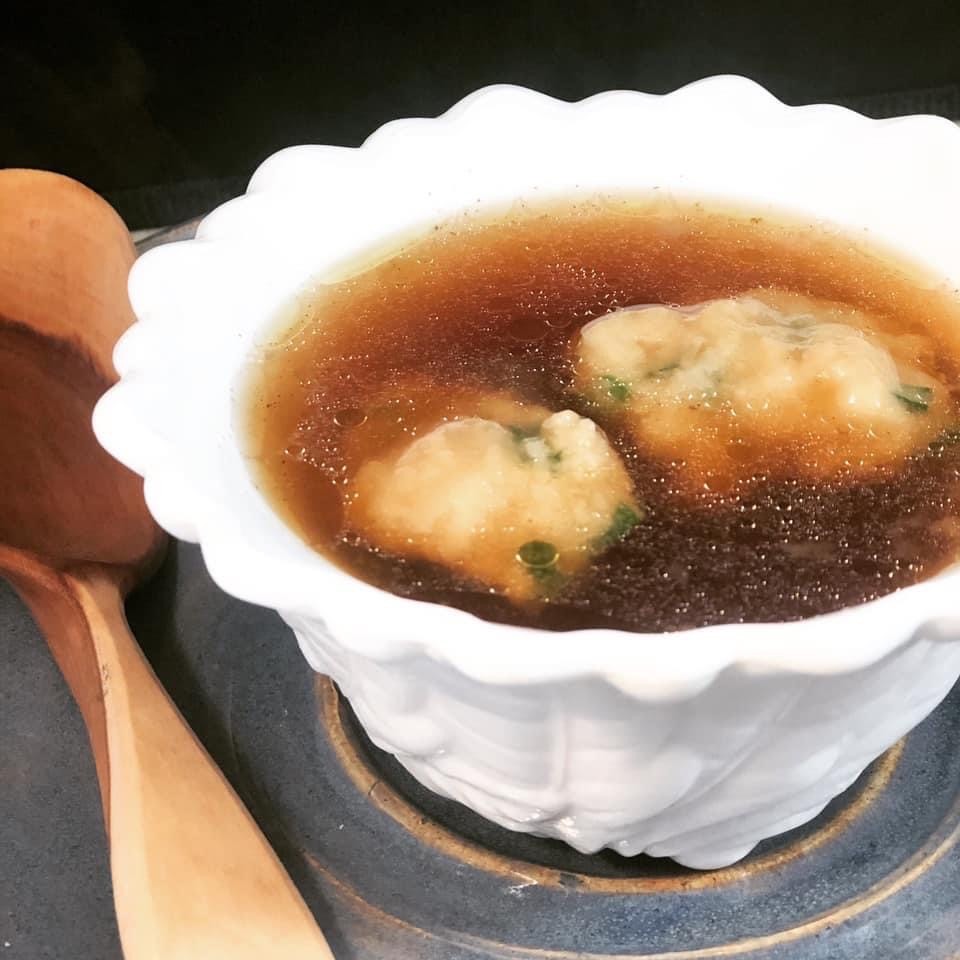
Add to soups, stews, and stir-fries.
Use like chives as a fresh garnish.
Bulbs
Roast whole.
Sauté with spring vegetables.
Pickle for a tangy condiment.
Substitute anywhere you'd use garlic or pearl onions.
Flowers
Sprinkle over salads.
Garnish soups and savory dishes.
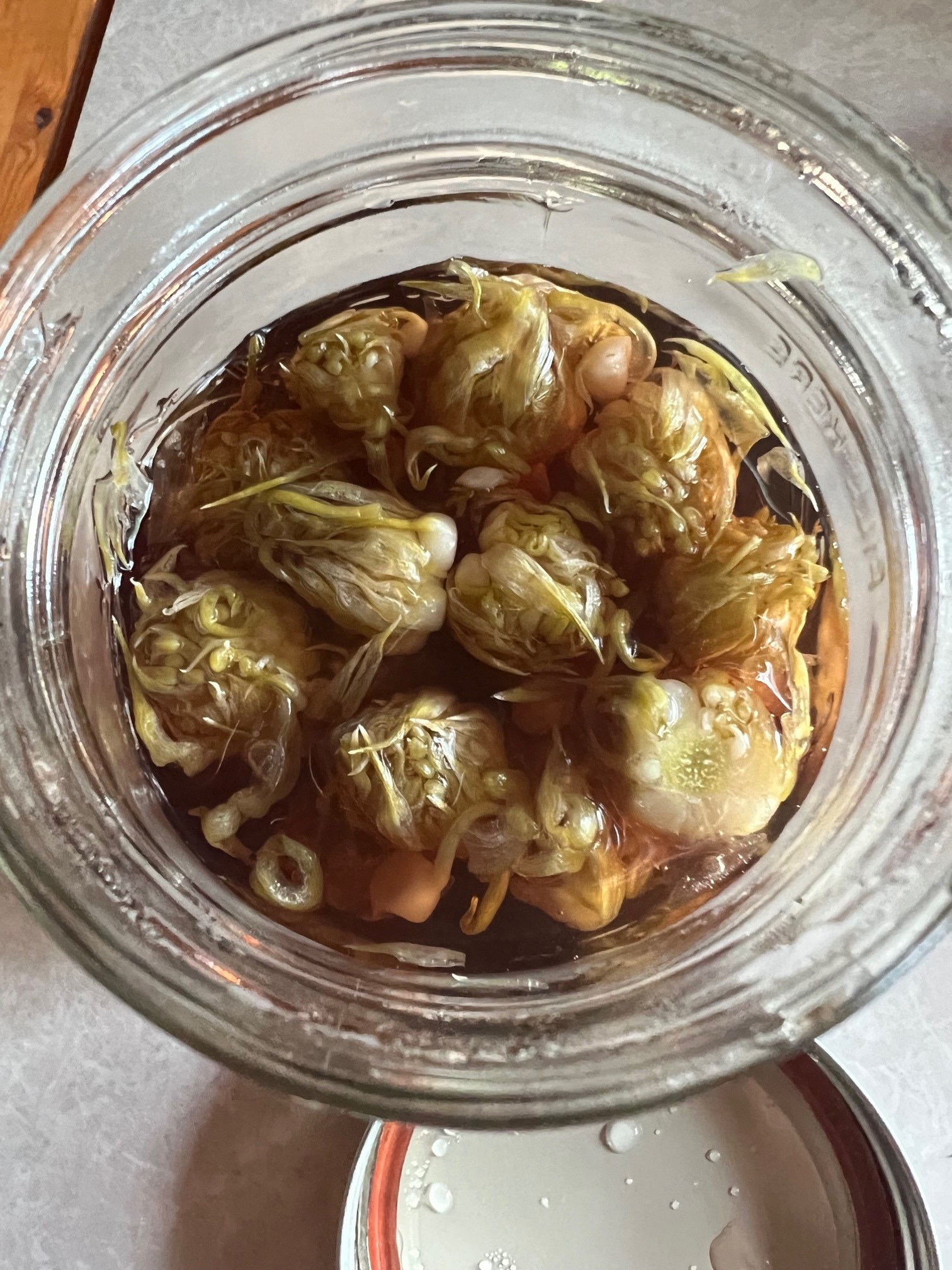
Infuse into vinegar.
Bulbils (Topsets)
Pickle whole.
Plant to establish new patches.
Use as tiny garlic cloves in cooking.
Tip: Harvest the leaves while they're young and tender. Once flowering begins, the foliage often becomes tougher and less flavorful.
Use It Like This
Leaves
Chop into salads.
Stir into scrambled eggs or omelets.
Blend into pesto.
Add to soups, stews, and stir-fries.
Use like chives as a fresh garnish.
Bulbs
Roast whole.
Sauté with spring vegetables.
Pickle for a tangy condiment.
Substitute anywhere you'd use garlic or pearl onions.
Flowers
Sprinkle over salads.
Garnish soups and savory dishes.
Infuse into vinegar.
Bulbils (Topsets)
Pickle whole.
Plant to establish new patches.
Use as tiny garlic cloves in cooking.
Tip: Harvest the leaves while they're young and tender. Once flowering begins, the foliage often becomes tougher and less flavorful.
Harvest Notes
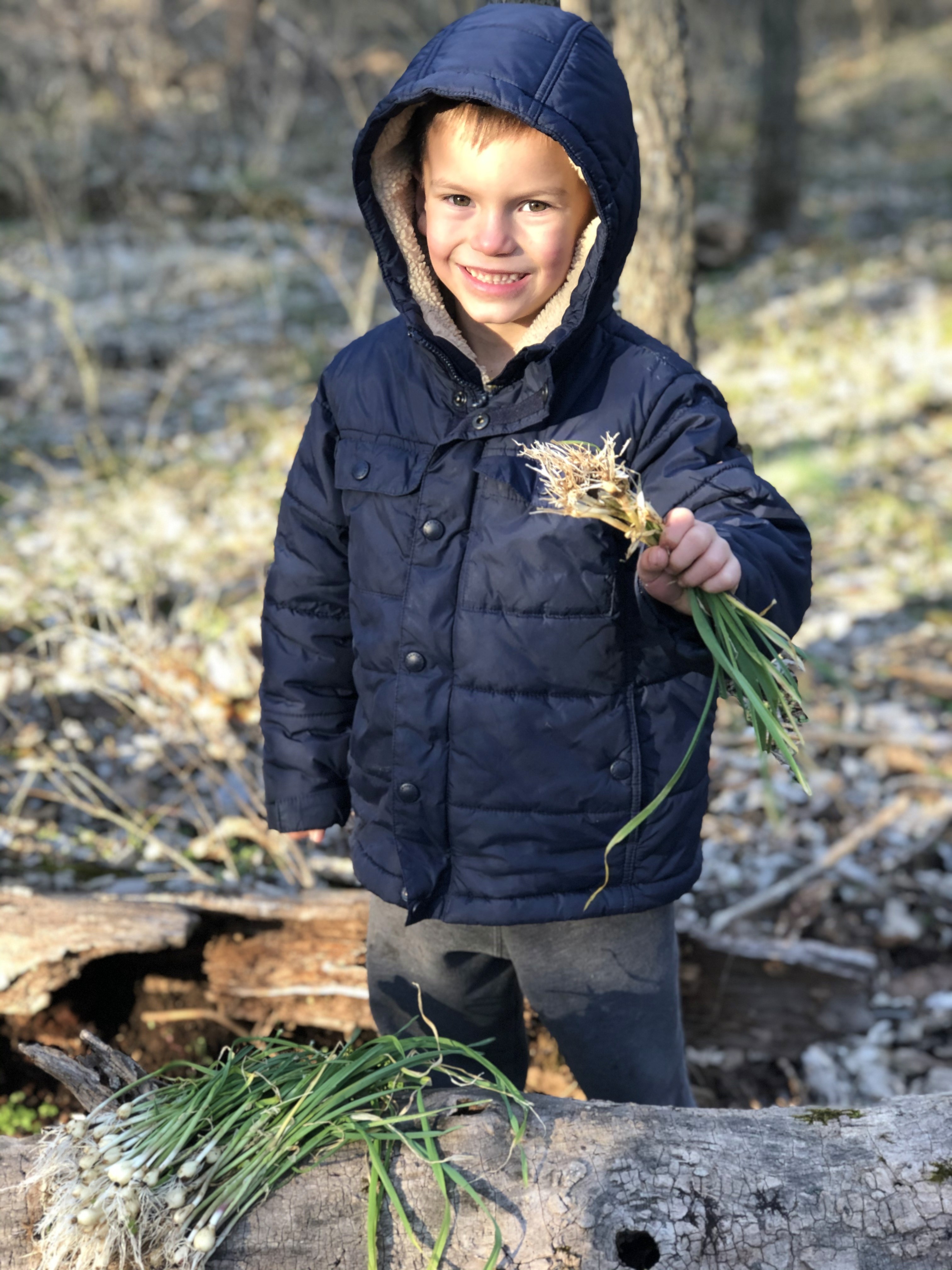
Harvest leaves from late winter through spring.
Dig bulbs only where populations are abundant.
Leave part of every patch intact to ensure future harvests.
Collect bulbils after they mature if you'd like to spread them to new locations.
Avoid lawns and roadsides that may have been sprayed with herbicides or pesticides.
Seasonal Tip: The best time to find wild alliums is often before the grass greens up. Their bright green leaves are among the earliest edible plants to emerge each spring.
Did You Know?
Wild garlic often gets blamed for giving milk an "off" flavor when cows graze on it in spring. The same sulfur compounds that make it delicious in your kitchen can also pass into milk and even the meat of grazing animals.
Ancient Roots
Wild alliums have seasoned meals for thousands of years. Indigenous peoples gathered native onions throughout North America, while settlers quickly embraced both native species and the introduced field garlic (Allium vineale). These dependable plants became one of the first fresh flavors of spring after long winters, providing food, seasoning, and traditional herbal uses wherever they grew.
Today, they're still among the easiest gateway plants for new foragers because their familiar flavor and unmistakable aroma inspire confidence in the field.
Wild Pantry Snapshot
Wild garlic and wild onion prove that some of the best ingredients are hiding in plain sight. Whether you're snipping tender leaves, roasting bulbs, or pickling tiny bulbils, these resilient alliums bring bold flavor to nearly every meal. Learn their scent once, and you'll begin spotting them almost everywhere spring arrives.
Harvest Notes
Harvest leaves from late winter through spring.
Dig bulbs only where populations are abundant.
Leave part of every patch intact to ensure future harvests.
Collect bulbils after they mature if you'd like to spread them to new locations.
Avoid lawns and roadsides that may have been sprayed with herbicides or pesticides.
Seasonal Tip: The best time to find wild alliums is often before the grass greens up. Their bright green leaves are among the earliest edible plants to emerge each spring.
Did You Know?
Wild garlic often gets blamed for giving milk an "off" flavor when cows graze on it in spring. The same sulfur compounds that make it delicious in your kitchen can also pass into milk and even the meat of grazing animals.
Ancient Roots
Wild alliums have seasoned meals for thousands of years. Indigenous peoples gathered native onions throughout North America, while settlers quickly embraced both native species and the introduced field garlic (Allium vineale). These dependable plants became one of the first fresh flavors of spring after long winters, providing food, seasoning, and traditional herbal uses wherever they grew.
Today, they're still among the easiest gateway plants for new foragers because their familiar flavor and unmistakable aroma inspire confidence in the field.
Wild Pantry Snapshot
Wild garlic and wild onion prove that some of the best ingredients are hiding in plain sight. Whether you're snipping tender leaves, roasting bulbs, or pickling tiny bulbils, these resilient alliums bring bold flavor to nearly every meal. Learn their scent once, and you'll begin spotting them almost everywhere spring arrives.