Plant ID Pages
Plant ID Pages
Plant ID Pages

Spicebush (Lindera benzoin)
Ozark allspice. Wild citrus. A pantry in one shrub.
What It Is
Spicebush is a native woodland shrub that thrives along creeks, rich hillsides, and shady forest edges throughout eastern North America. Every part of the plant carries a warm, citrusy aroma. Crush a leaf, snap a twig, or rub a ripe berry between your fingers, and you'll understand how it earned its name.
In early spring, clusters of cheerful yellow flowers brighten the woods before the leaves emerge. By late summer and fall, female shrubs produce brilliant red berries that have been used for generations as a native seasoning often compared to allspice, citrus peel, and black pepper. From leaves and twigs to berries, spicebush offers one of the richest culinary experiences of any native shrub.
Field ID Quick Tip
Spicebush becomes easy to recognize once you learn its fragrance and seasonal changes.
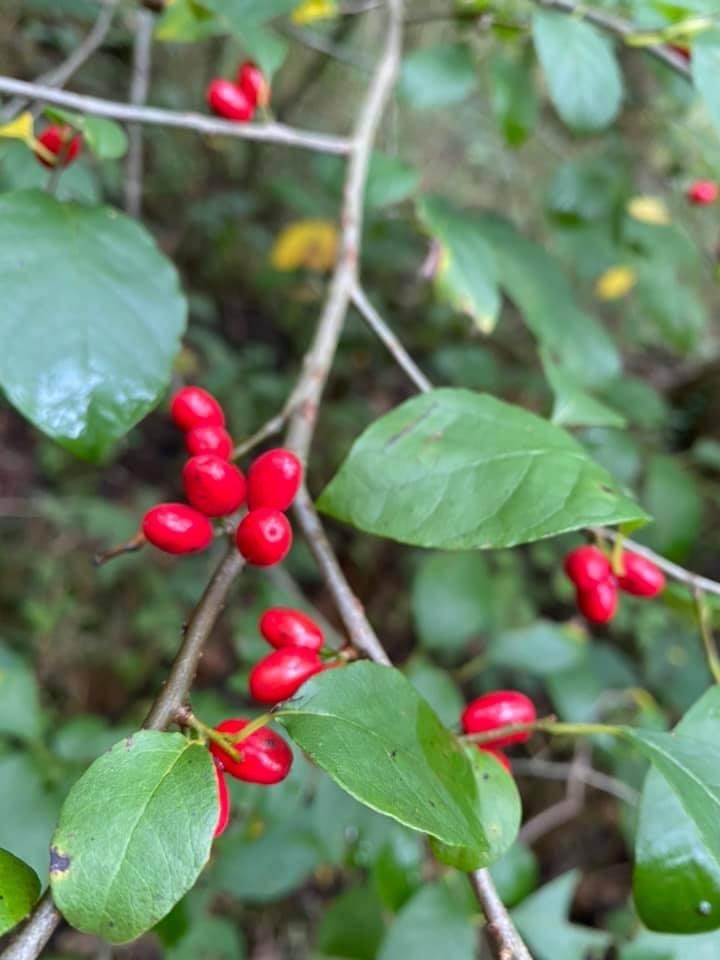
Multi-stemmed shrub, typically 6 to 15 feet tall.
Smooth-edged, oval leaves with a spicy citrus scent when crushed.
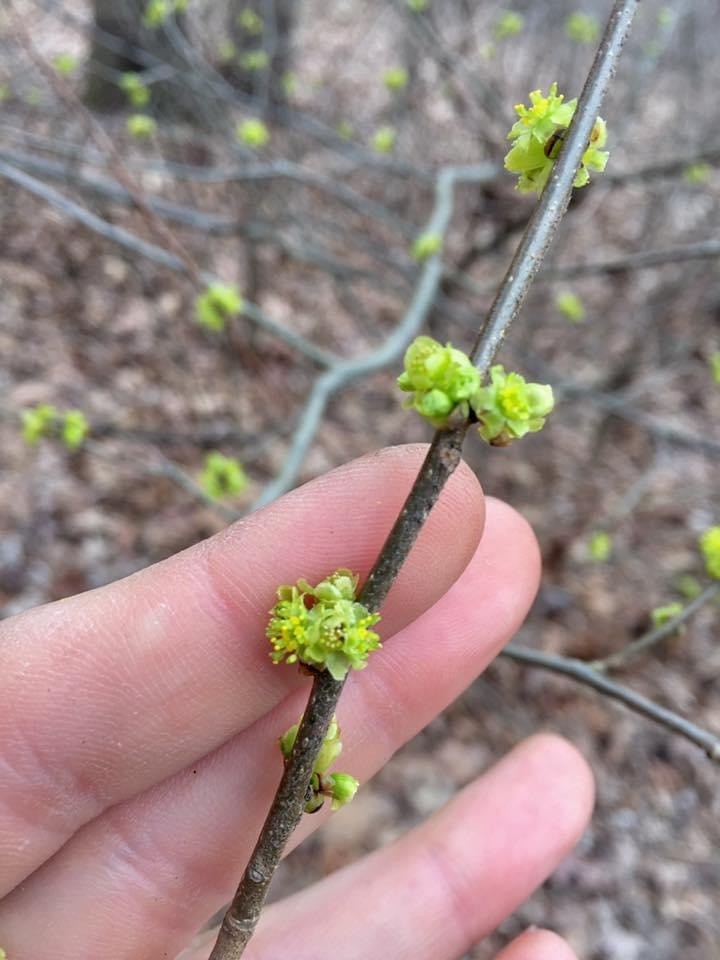
Small clusters of bright yellow flowers bloom before the leaves appear.
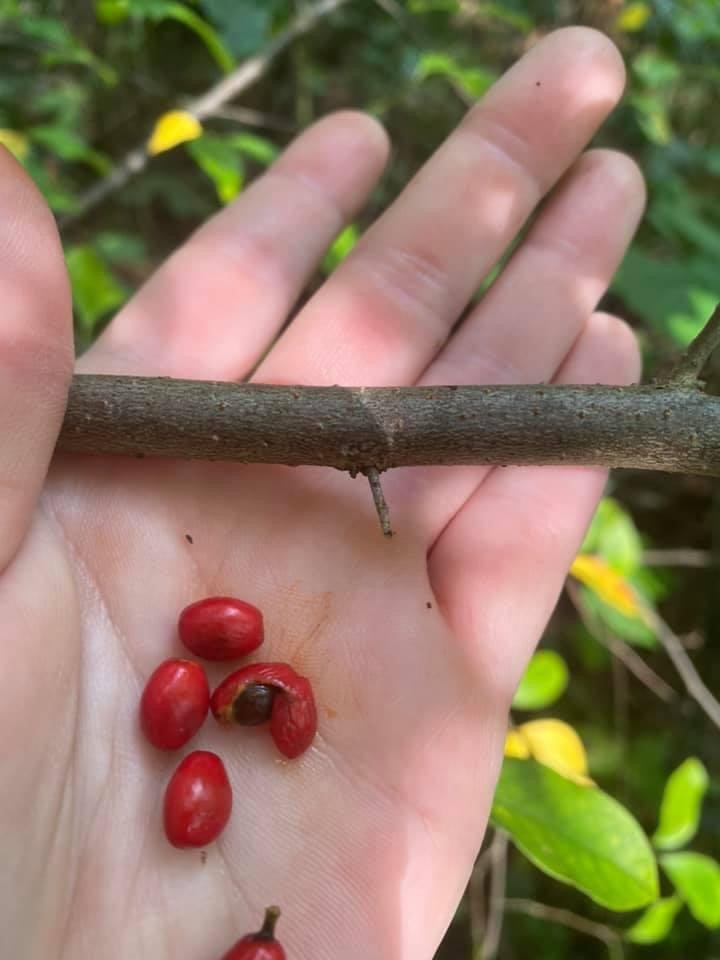
Female plants produce shiny bright red berries in late summer and fall.
Twigs are slender, greenish to brown, and highly aromatic when scratched.
Look-Alikes
Northern Spicebush (Lindera melissifolia)
Similar appearance but much less common.
Found primarily in wet bottomlands of the southeastern United States.
Also aromatic.
Sassafras (Sassafras albidum)
Similar citrusy aroma.
Three distinct leaf shapes on the same tree.
Grows as a tree rather than a shrub.
Blue berries on bright red stalks instead of red berries.
Bush Honeysuckle (Lonicera spp.)
Opposite leaves rather than alternate.
Red berries occur in pairs.
Leaves lack the spicy citrus aroma.
Tip: Crush a leaf. If it releases a warm scent reminiscent of lemon, allspice, and orange peel, you've likely found spicebush.
Ozark allspice. Wild citrus. A pantry in one shrub.
What It Is
Spicebush is a native woodland shrub that thrives along creeks, rich hillsides, and shady forest edges throughout eastern North America. Every part of the plant carries a warm, citrusy aroma. Crush a leaf, snap a twig, or rub a ripe berry between your fingers, and you'll understand how it earned its name.
In early spring, clusters of cheerful yellow flowers brighten the woods before the leaves emerge. By late summer and fall, female shrubs produce brilliant red berries that have been used for generations as a native seasoning often compared to allspice, citrus peel, and black pepper. From leaves and twigs to berries, spicebush offers one of the richest culinary experiences of any native shrub.
Field ID Quick Tip
Spicebush becomes easy to recognize once you learn its fragrance and seasonal changes.
Multi-stemmed shrub, typically 6 to 15 feet tall.
Smooth-edged, oval leaves with a spicy citrus scent when crushed.
Small clusters of bright yellow flowers bloom before the leaves appear.
Female plants produce shiny bright red berries in late summer and fall.
Twigs are slender, greenish to brown, and highly aromatic when scratched.
Look-Alikes
Northern Spicebush (Lindera melissifolia)
Similar appearance but much less common.
Found primarily in wet bottomlands of the southeastern United States.
Also aromatic.
Sassafras (Sassafras albidum)
Similar citrusy aroma.
Three distinct leaf shapes on the same tree.
Grows as a tree rather than a shrub.
Blue berries on bright red stalks instead of red berries.
Bush Honeysuckle (Lonicera spp.)
Opposite leaves rather than alternate.
Red berries occur in pairs.
Leaves lack the spicy citrus aroma.
Tip: Crush a leaf. If it releases a warm scent reminiscent of lemon, allspice, and orange peel, you've likely found spicebush.
Use It Like This
Berries
Dry and grind into a native allspice substitute.
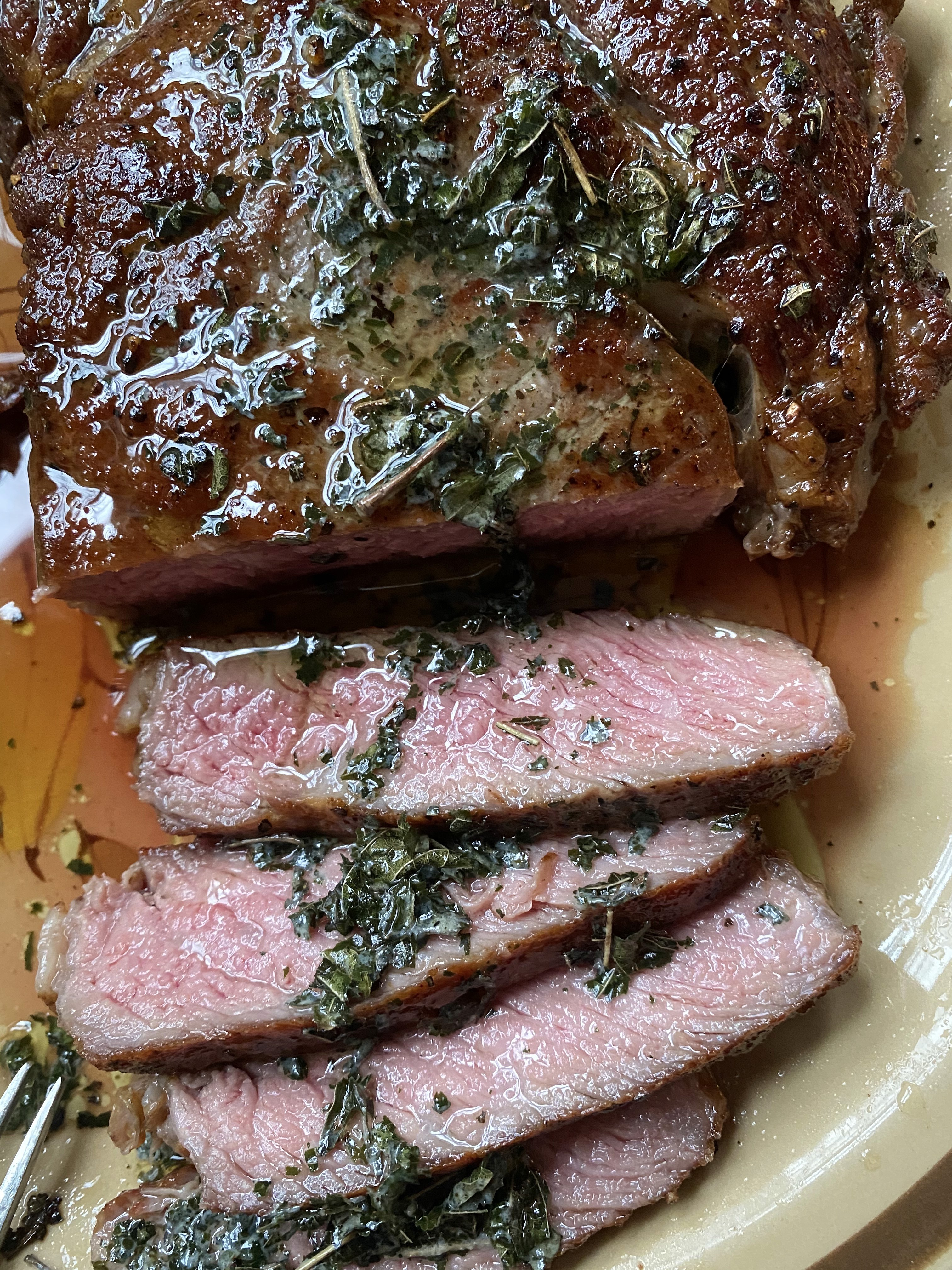
Season wild game, poultry, pork, and fish.
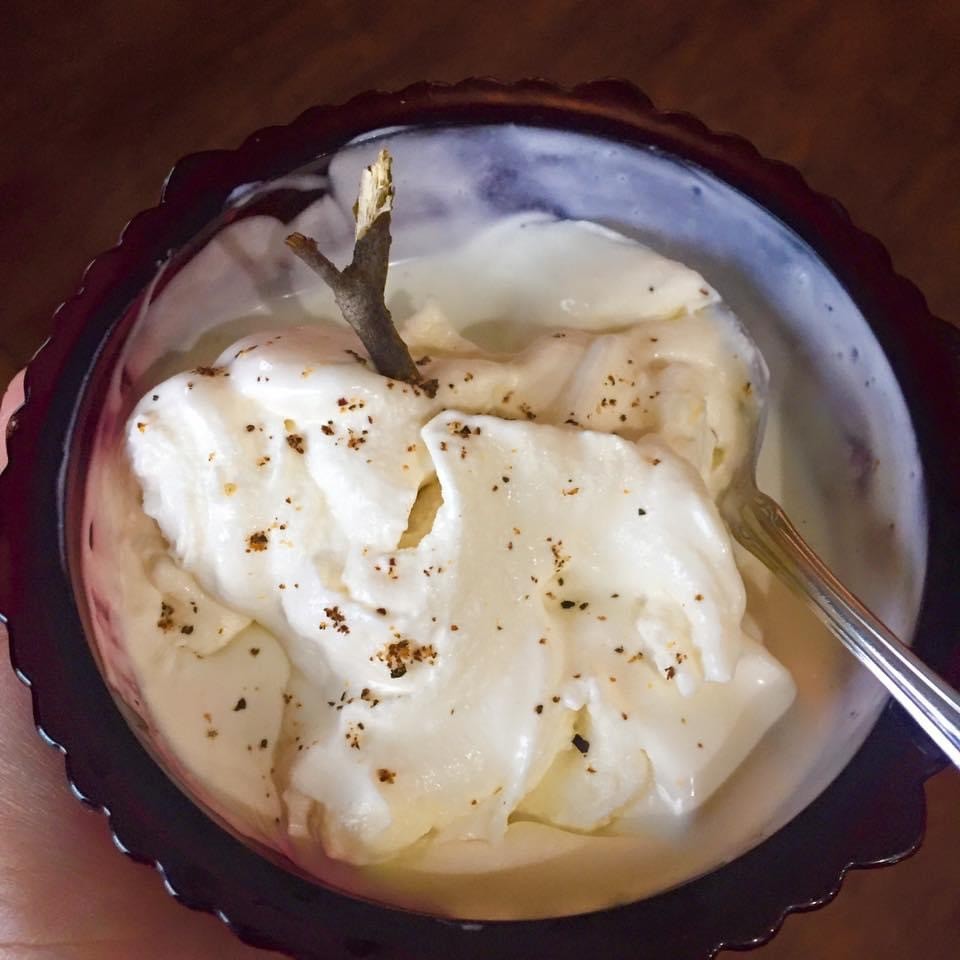
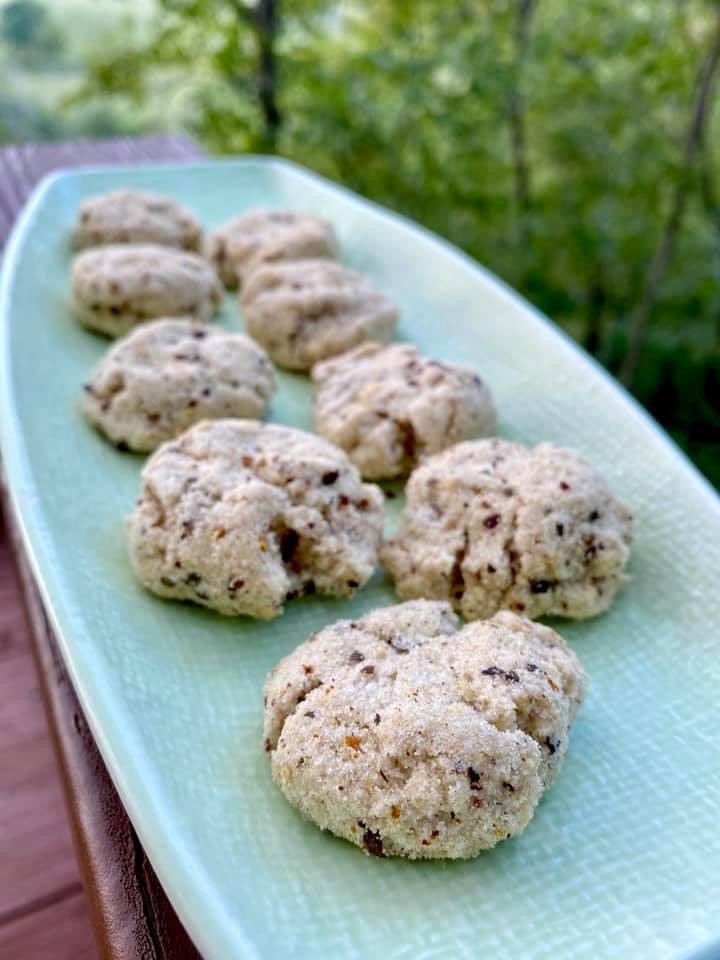
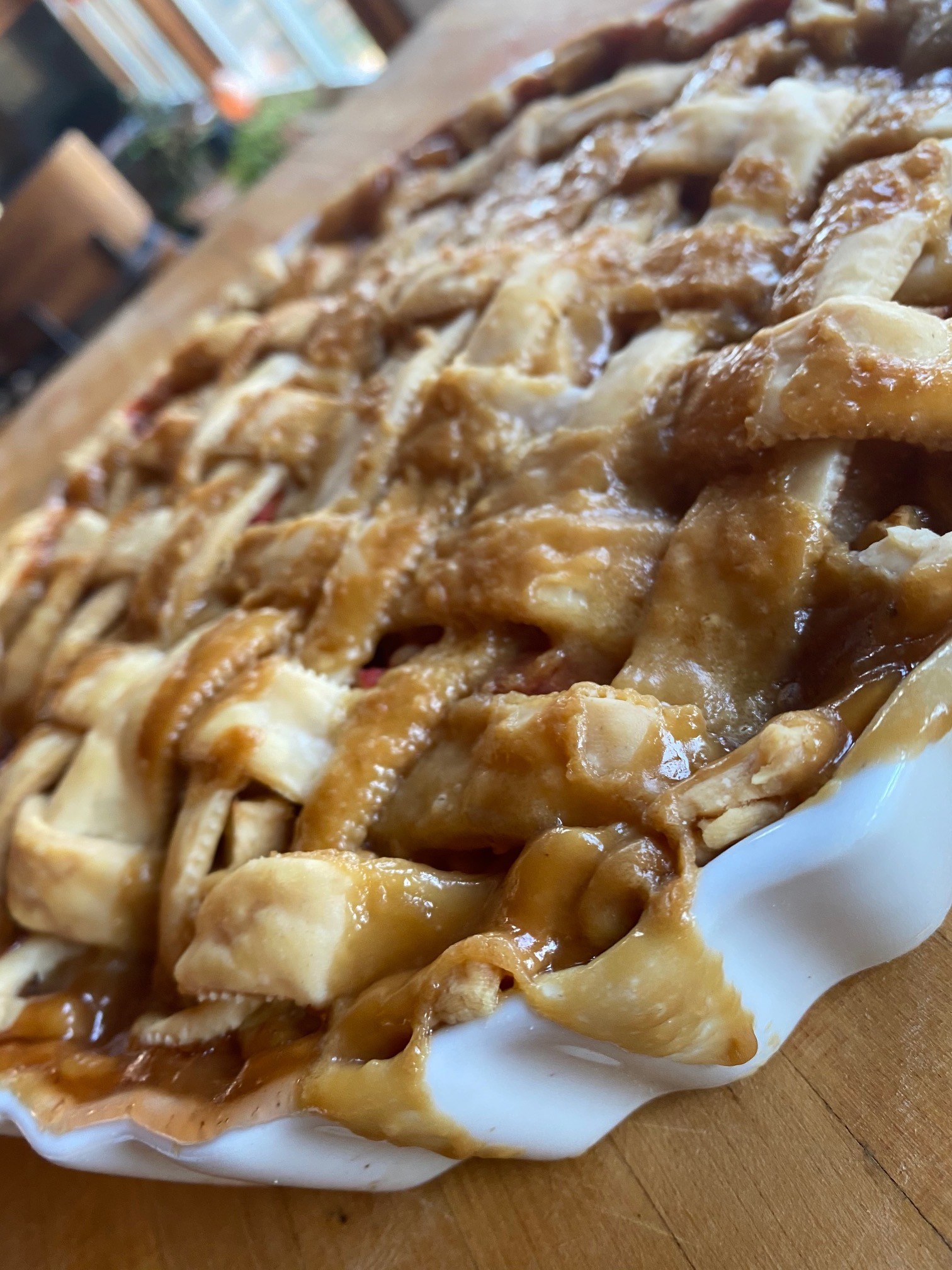
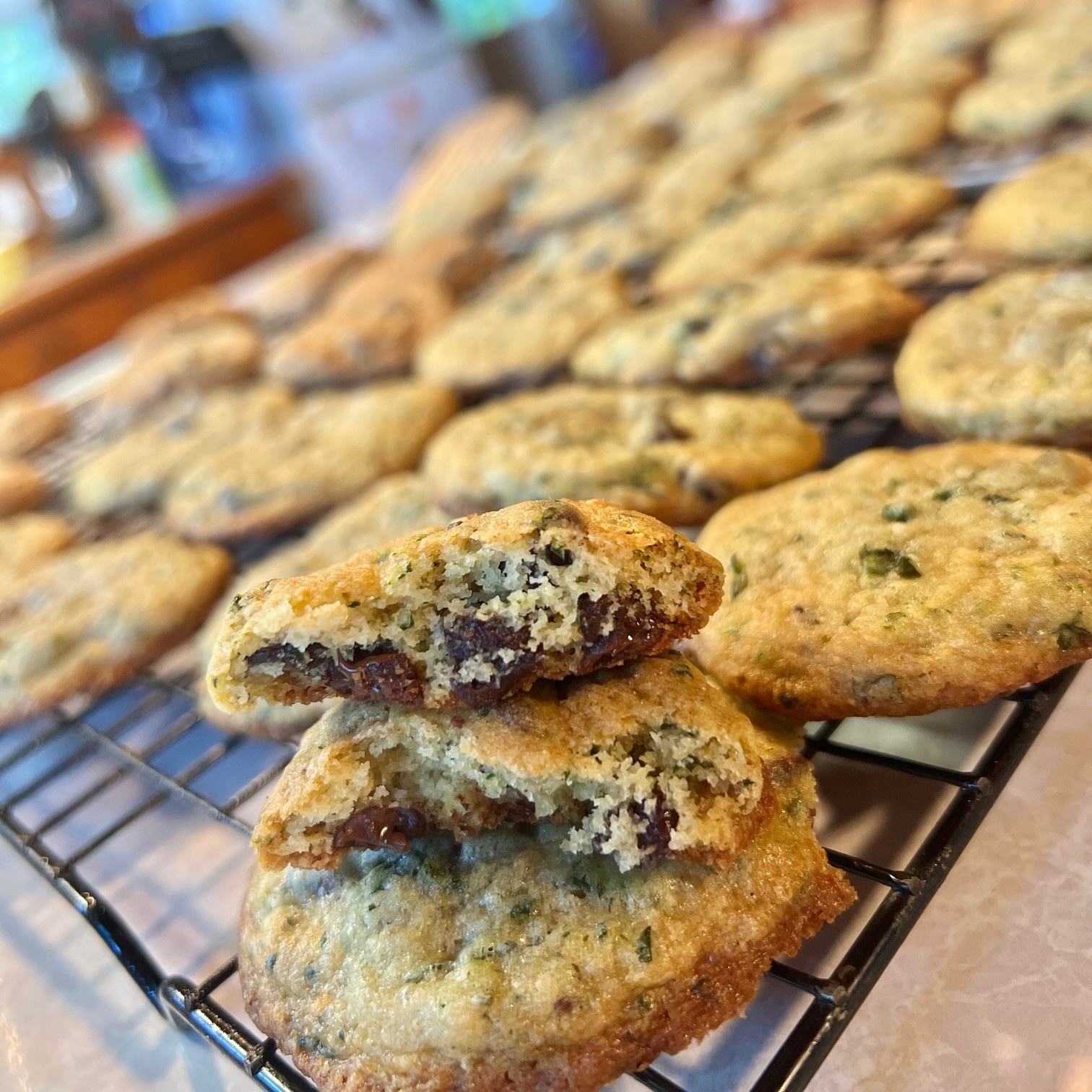
Add to baked goods, cookies, and spice cakes.
Flavor teas, syrups, and mulled cider.
Blend into barbecue rubs and seasoning mixes.
Leaves
Brew into aromatic tea.
Infuse into simple syrup.
Add to simmer pots.
Dry for herbal tea blends.
Twigs
Brew into tea.
Add to broths or stocks for subtle citrus notes.
Use in simmer pots for fragrance.
Flowers
Garnish spring salads.
Add to compound butter.
Use as an edible garnish.
Tip: The berries are at their best just as they turn bright red. Dry them whole before grinding to preserve their remarkable aroma.
Use It Like This
Berries
Dry and grind into a native allspice substitute.
Season wild game, poultry, pork, and fish.
Add to baked goods, cookies, and spice cakes.
Flavor teas, syrups, and mulled cider.
Blend into barbecue rubs and seasoning mixes.
Leaves
Brew into aromatic tea.
Infuse into simple syrup.
Add to simmer pots.
Dry for herbal tea blends.
Twigs
Brew into tea.
Add to broths or stocks for subtle citrus notes.
Use in simmer pots for fragrance.
Flowers
Garnish spring salads.
Add to compound butter.
Use as an edible garnish.
Tip: The berries are at their best just as they turn bright red. Dry them whole before grinding to preserve their remarkable aroma.
Harvest Notes
Harvest leaves throughout the growing season while they're fresh and aromatic.
Pick berries when they are fully red and slightly soft.
Dry berries in a warm, well-ventilated location before storing.
Harvest only a small portion of berries from each shrub, leaving plenty for birds.
Remember that only female plants produce berries, so not every spicebush will fruit.
Seasonal Tip: Early spring is one of the best times to find spicebush. Its bright yellow flowers often bloom before most woodland trees have even begun to leaf out.
Did You Know?
Spicebush is the primary host plant for the beautiful spicebush swallowtail butterfly. Without spicebush, there would be no spicebush swallowtails. Their remarkable caterpillars even mimic tiny snakes, complete with oversized false "eyes," to discourage predators.
Ancient Roots
Long before imported cinnamon, cloves, and allspice reached North America, Indigenous peoples were seasoning foods and brewing teas with spicebush. Early settlers quickly adopted the fragrant shrub, using the berries as a substitute for expensive imported spices and enjoying the leaves and twigs as flavorful teas.
Although it became less common once global spice trade expanded, spicebush remains one of North America's finest native seasonings. Modern chefs and foragers have rediscovered its remarkable flavor, proving that some of the best spices have been growing in our forests all along.
Wild Pantry Snapshot
Spicebush turns an ordinary woodland walk into a spice aisle. Its fragrant leaves, cheerful spring flowers, warming teas, and brilliantly flavored berries offer something useful in nearly every season. Once you've tasted freshly ground spicebush berries, you'll never think of the forest the same way again.
Cultural Snapshot
For centuries, spicebush connected people to place through flavor. Indigenous communities gathered it as food and seasoning, settlers embraced it as a homegrown substitute for imported spices, and today's foragers are bringing it back into kitchens once again. It remains one of the finest examples of how a native shrub can fill the role of an entire spice cabinet.
Harvest Notes
Harvest leaves throughout the growing season while they're fresh and aromatic.
Pick berries when they are fully red and slightly soft.
Dry berries in a warm, well-ventilated location before storing.
Harvest only a small portion of berries from each shrub, leaving plenty for birds.
Remember that only female plants produce berries, so not every spicebush will fruit.
Seasonal Tip: Early spring is one of the best times to find spicebush. Its bright yellow flowers often bloom before most woodland trees have even begun to leaf out.
Did You Know?
Spicebush is the primary host plant for the beautiful spicebush swallowtail butterfly. Without spicebush, there would be no spicebush swallowtails. Their remarkable caterpillars even mimic tiny snakes, complete with oversized false "eyes," to discourage predators.
Ancient Roots
Long before imported cinnamon, cloves, and allspice reached North America, Indigenous peoples were seasoning foods and brewing teas with spicebush. Early settlers quickly adopted the fragrant shrub, using the berries as a substitute for expensive imported spices and enjoying the leaves and twigs as flavorful teas.
Although it became less common once global spice trade expanded, spicebush remains one of North America's finest native seasonings. Modern chefs and foragers have rediscovered its remarkable flavor, proving that some of the best spices have been growing in our forests all along.
Wild Pantry Snapshot
Spicebush turns an ordinary woodland walk into a spice aisle. Its fragrant leaves, cheerful spring flowers, warming teas, and brilliantly flavored berries offer something useful in nearly every season. Once you've tasted freshly ground spicebush berries, you'll never think of the forest the same way again.
Cultural Snapshot
For centuries, spicebush connected people to place through flavor. Indigenous communities gathered it as food and seasoning, settlers embraced it as a homegrown substitute for imported spices, and today's foragers are bringing it back into kitchens once again. It remains one of the finest examples of how a native shrub can fill the role of an entire spice cabinet.