Fragrant petals. Tangy hips. Beauty with thorns and tradition.
What It Is
Wild roses brighten roadsides, woodland edges, prairies, creek banks, and old homesteads throughout North America. Their fragrant blossoms have inspired poets and gardeners for centuries, but they're just as valuable in the wild pantry as they are in the flower garden.
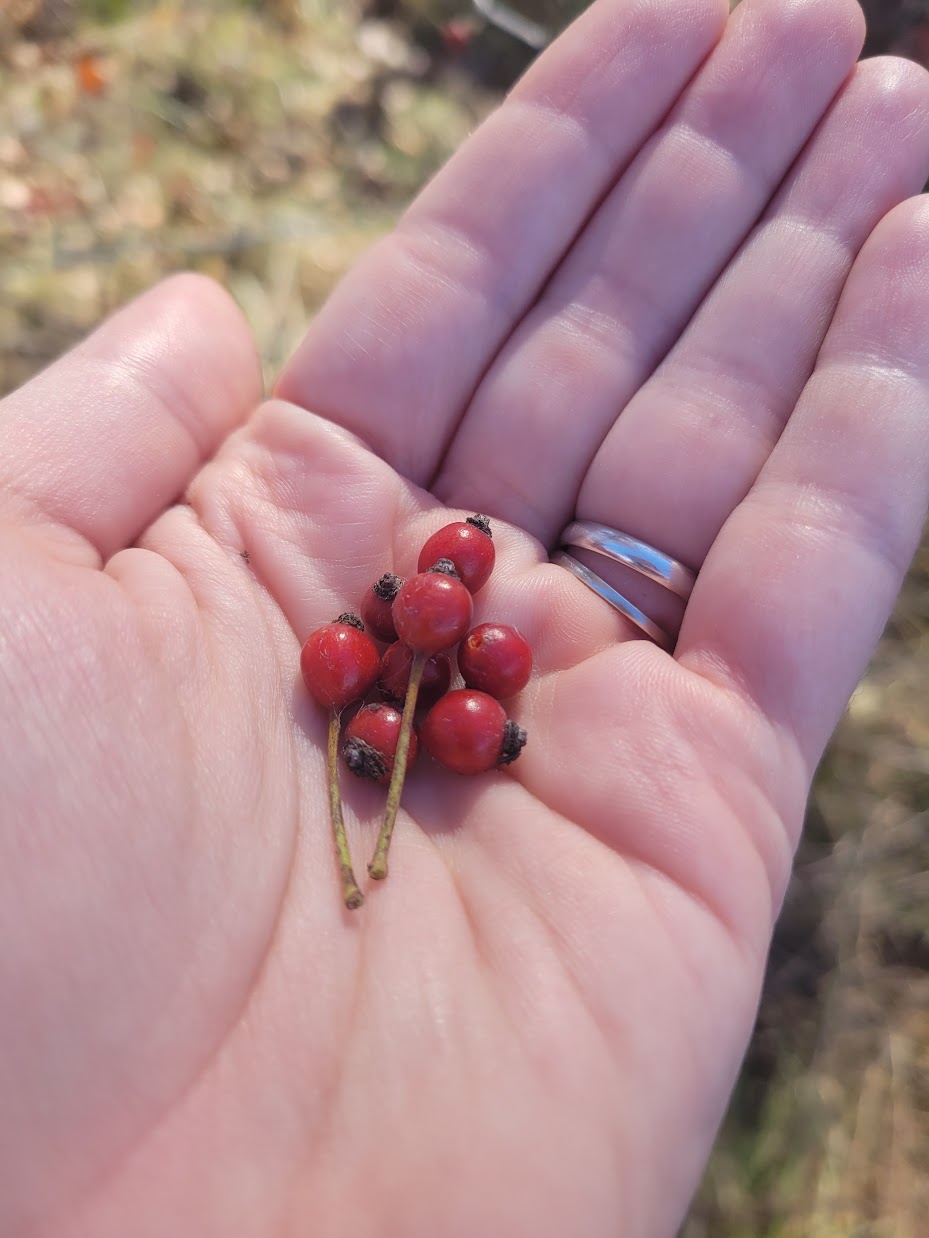
Most wild roses are easy to recognize by their thorny stems, alternate compound leaves, and simple five-petaled flowers. As summer fades, those blossoms mature into bright red or orange rose hips, one of autumn's finest wild fruits. Together, the petals and hips have been enjoyed in teas, syrups, jellies, desserts, and traditional herbal preparations for generations.
Field ID Quick Tip
Wild roses share a combination of features that's easy to recognize once you know what to look for.
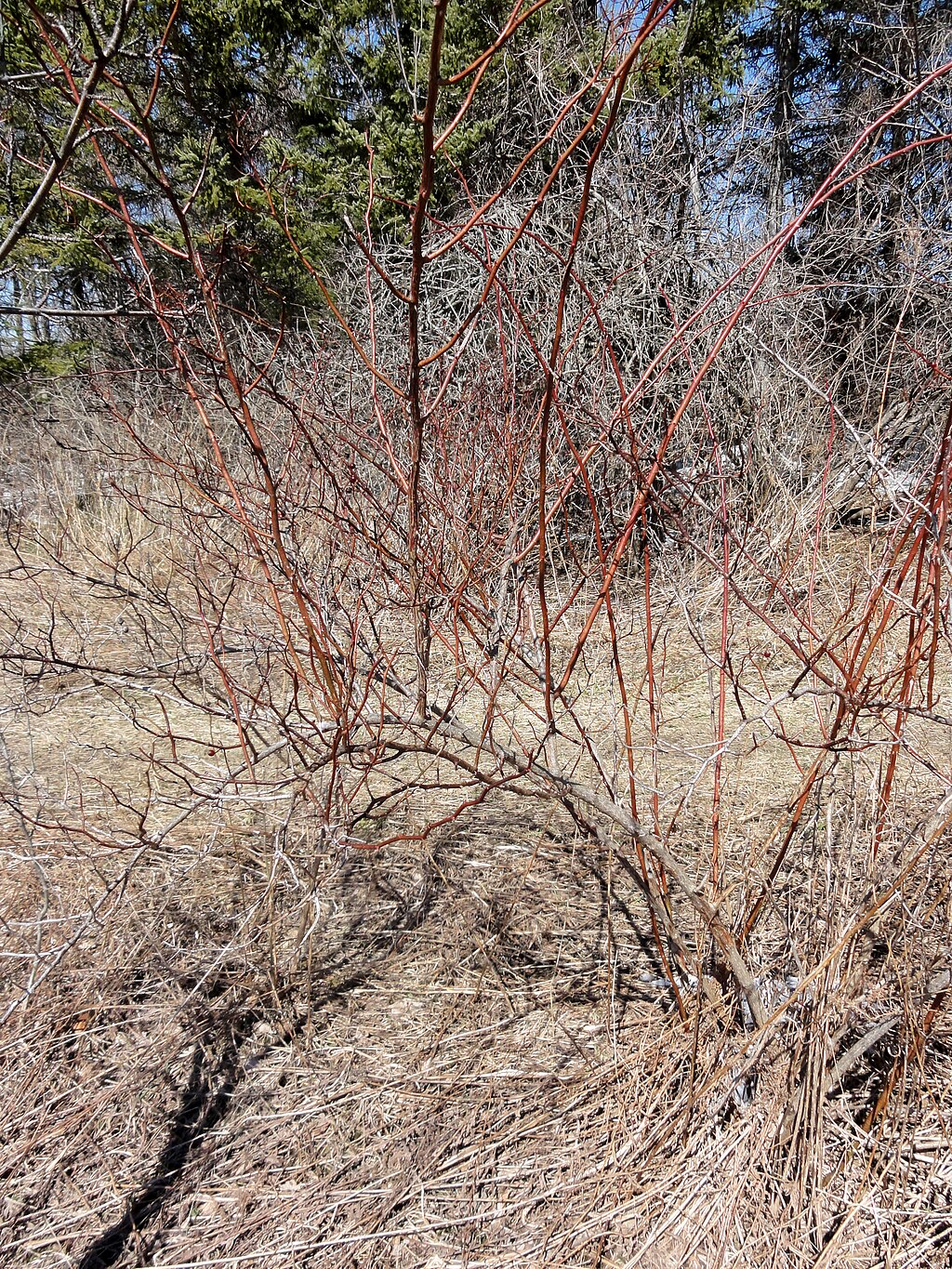
Shrub with thorny or prickly stems.
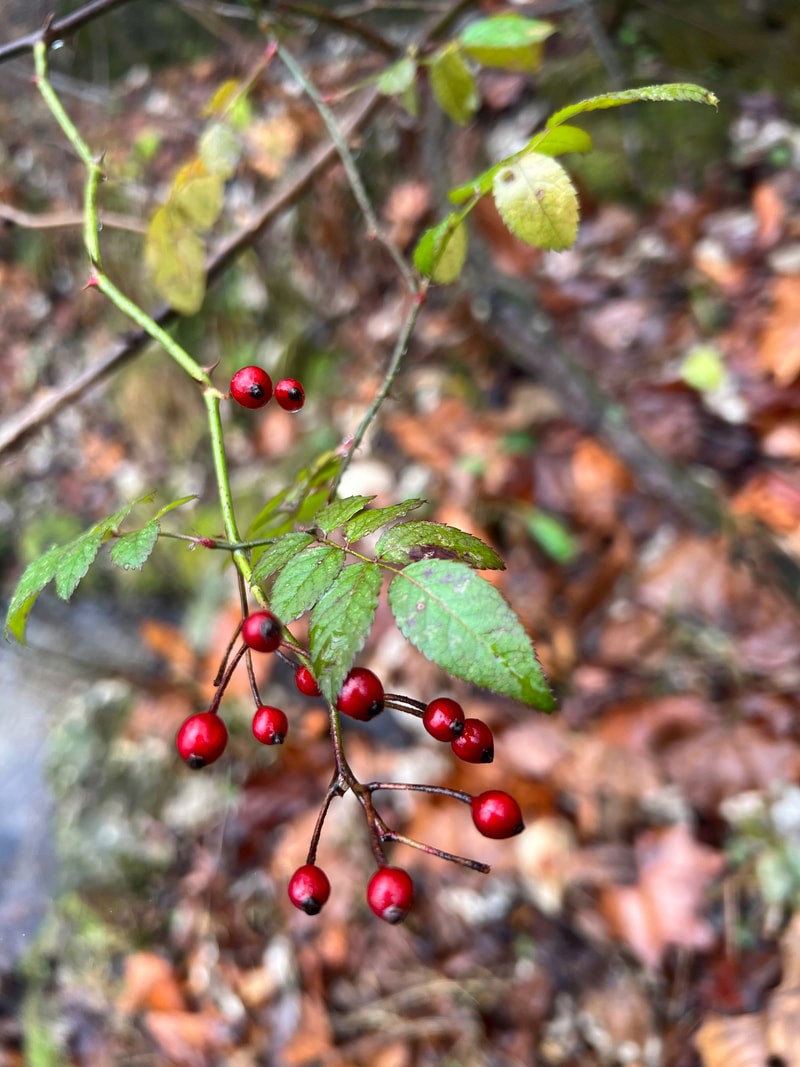
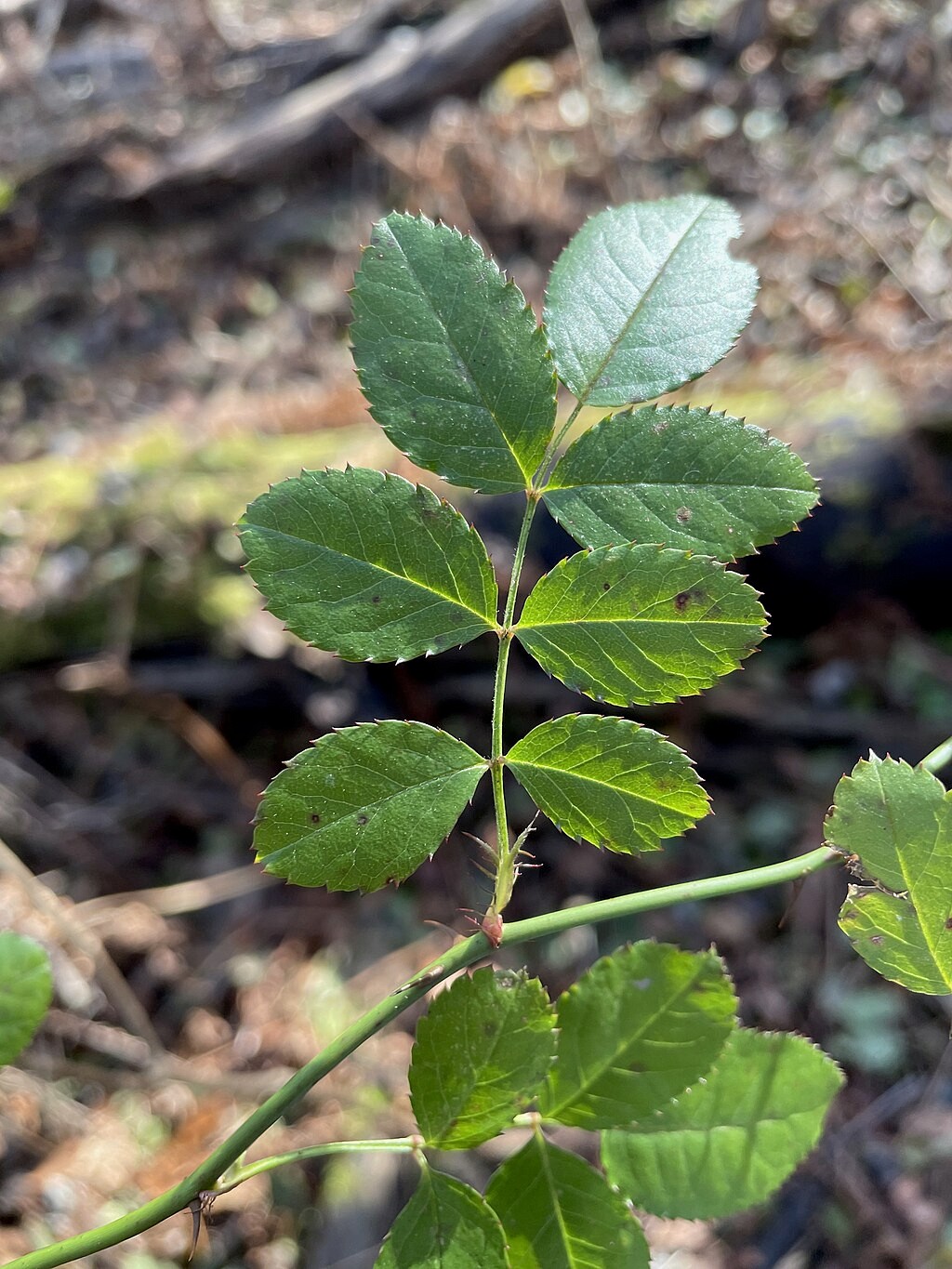
Alternate compound leaves with 5 to 9 serrated leaflets.
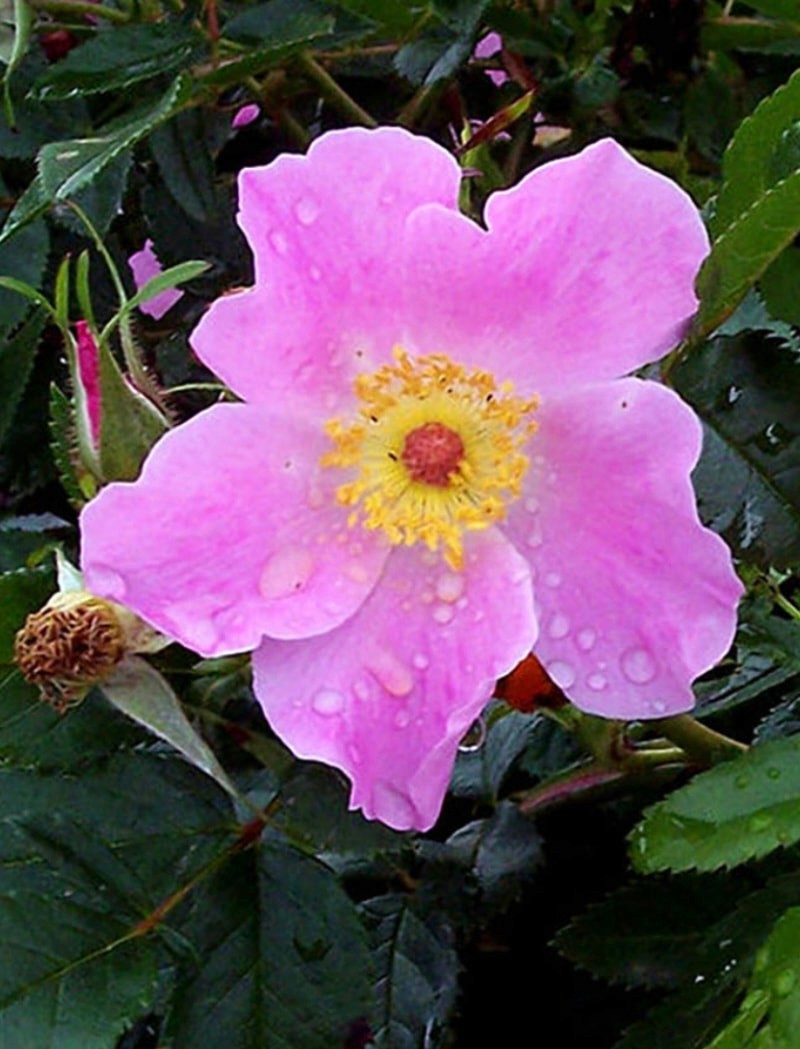
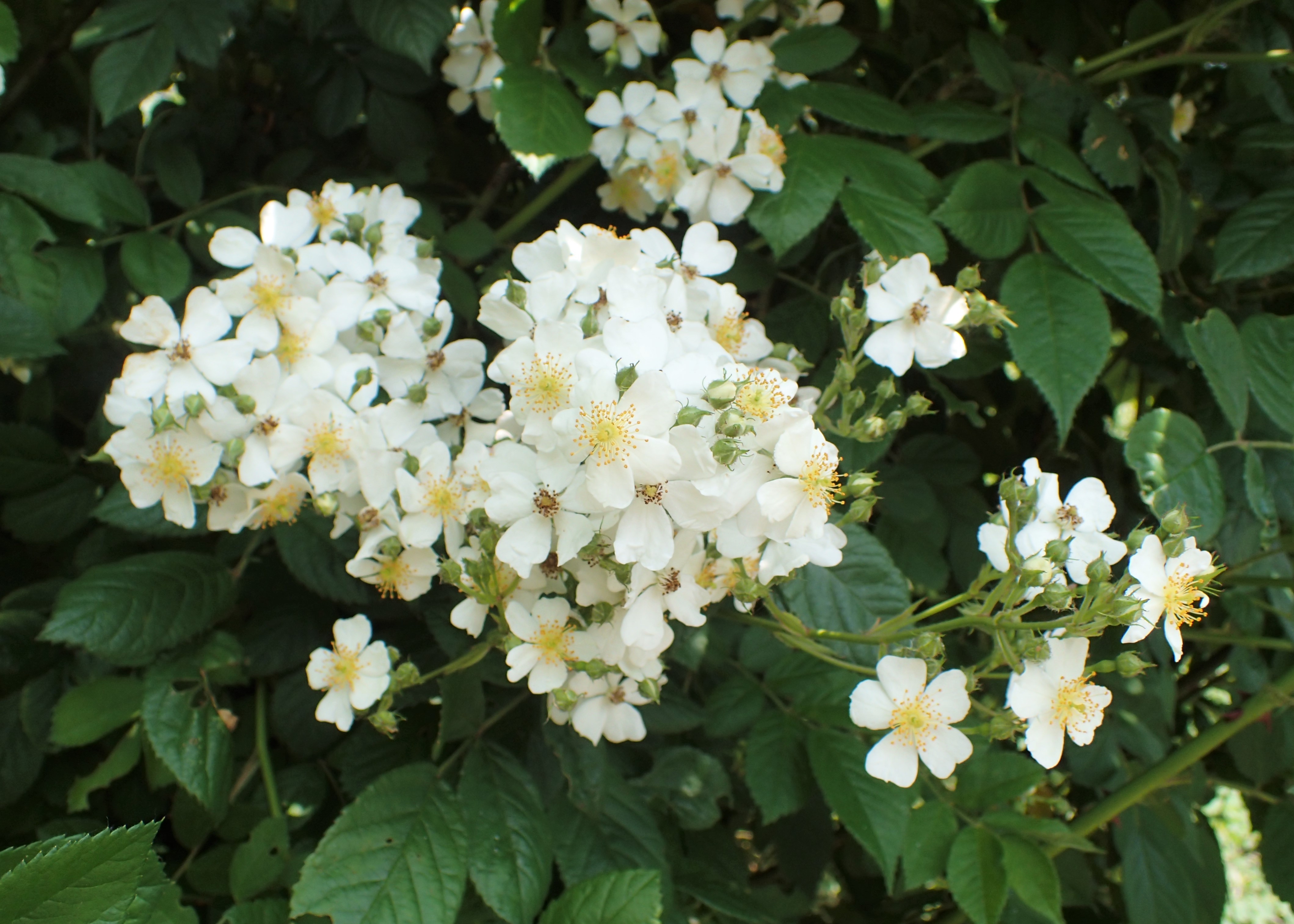
Fragrant flowers with five petals, usually pink or white.
Numerous yellow stamens in the center of each blossom.
Bright red to orange rose hips developing after flowering.
Look-Alikes
Multiflora Rose (Rosa multiflora)
Clusters of many small white flowers.
Long, arching thorny canes.
Distinctive fringed stipules where the leaf meets the stem.
Introduced invasive species in many parts of North America.
Blackberry & Raspberry (Rubus spp.)
Thorny stems.
White or pink flowers.
Aggregate berries instead of rose hips.
Canes often have a bluish bloom.
Hawthorn (Crataegus spp.)
White flowers.
Long thorns.
Small apple-like fruits rather than rose hips.
Lobed leaves instead of compound leaves.
Tip:If you see five petals, many yellow stamens, and later a bright red hip, you've almost certainly found a rose.
Fragrant petals. Tangy hips. Beauty with thorns and tradition.
What It Is
Wild roses brighten roadsides, woodland edges, prairies, creek banks, and old homesteads throughout North America. Their fragrant blossoms have inspired poets and gardeners for centuries, but they're just as valuable in the wild pantry as they are in the flower garden.
Most wild roses are easy to recognize by their thorny stems, alternate compound leaves, and simple five-petaled flowers. As summer fades, those blossoms mature into bright red or orange rose hips, one of autumn's finest wild fruits. Together, the petals and hips have been enjoyed in teas, syrups, jellies, desserts, and traditional herbal preparations for generations.
Field ID Quick Tip
Wild roses share a combination of features that's easy to recognize once you know what to look for.
Shrub with thorny or prickly stems.
Alternate compound leaves with 5 to 9 serrated leaflets.
Fragrant flowers with five petals, usually pink or white.
Numerous yellow stamens in the center of each blossom.
Bright red to orange rose hips developing after flowering.
Look-Alikes
Multiflora Rose (Rosa multiflora)
Clusters of many small white flowers.
Long, arching thorny canes.
Distinctive fringed stipules where the leaf meets the stem.
Introduced invasive species in many parts of North America.
Blackberry & Raspberry (Rubus spp.)
Thorny stems.
White or pink flowers.
Aggregate berries instead of rose hips.
Canes often have a bluish bloom.
Hawthorn (Crataegus spp.)
White flowers.
Long thorns.
Small apple-like fruits rather than rose hips.
Lobed leaves instead of compound leaves.
Tip:If you see five petals, many yellow stamens, and later a bright red hip, you've almost certainly found a rose.
Use It Like This
Petals
Sprinkle fresh over salads.
Garnish desserts and drinks.
Infuse into honey or simple syrup.
Brew into fragrant tea.
Make rose jelly or rose sugar.
Candy for cakes and pastries.
Rose Hips
Brew into tea.
Make syrup, jelly, or jam.
Cook into fruit butter.
Dry for winter use.
Blend into sauces or fruit leather.
Seeds
Remove before eating the hips.
The tiny hairs surrounding the seeds can be irritating if consumed.
Tip:Harvest petals soon after the flowers open, and wait until after the first frost for sweeter rose hips, though they're perfectly edible before then.
Harvest Notes
Gather flowers on dry mornings after the dew has evaporated.
Choose freshly opened blossoms with the strongest fragrance.
Harvest petals without taking every flower from the shrub.
Pick firm, brightly colored hips in fall.
Remove seeds and the irritating hairs before cooking or drying the hips.
Avoid ornamental roses treated with systemic pesticides.
Seasonal Tip:Different rose species bloom and fruit at different times, extending the harvest from late spring well into autumn.
Did You Know?
Rose hips are actually false fruits. The fleshy red hip isn't the fruit itself. It's a swollen floral cup that surrounds the true fruits, the tiny seeds tucked safely inside.
Ancient Roots
Roses have been growing across the Northern Hemisphere for at least 35 million years, making them one of the oldest recognizable flowering shrubs still thriving today. Long before they became symbols of romance, wild roses were gathered for food, fragrance, medicine, and ceremony.
Indigenous peoples throughout North America harvested rose hips as a valuable autumn food, while cultures across Europe and Asia infused petals into sweets, drinks, perfumes, and celebrations. Today, roses continue to bridge the gap between beauty and usefulness, offering something edible in nearly every season.
Wild Pantry Snapshot
Rose proves that some of the most beautiful plants are also among the most generous. Delicate spring blossoms become vibrant autumn hips, offering fragrance, flavor, and nourishment from one of the world's oldest and most beloved wild shrubs. Once you start looking beyond the thorns, you'll discover a pantry hidden in plain sight.