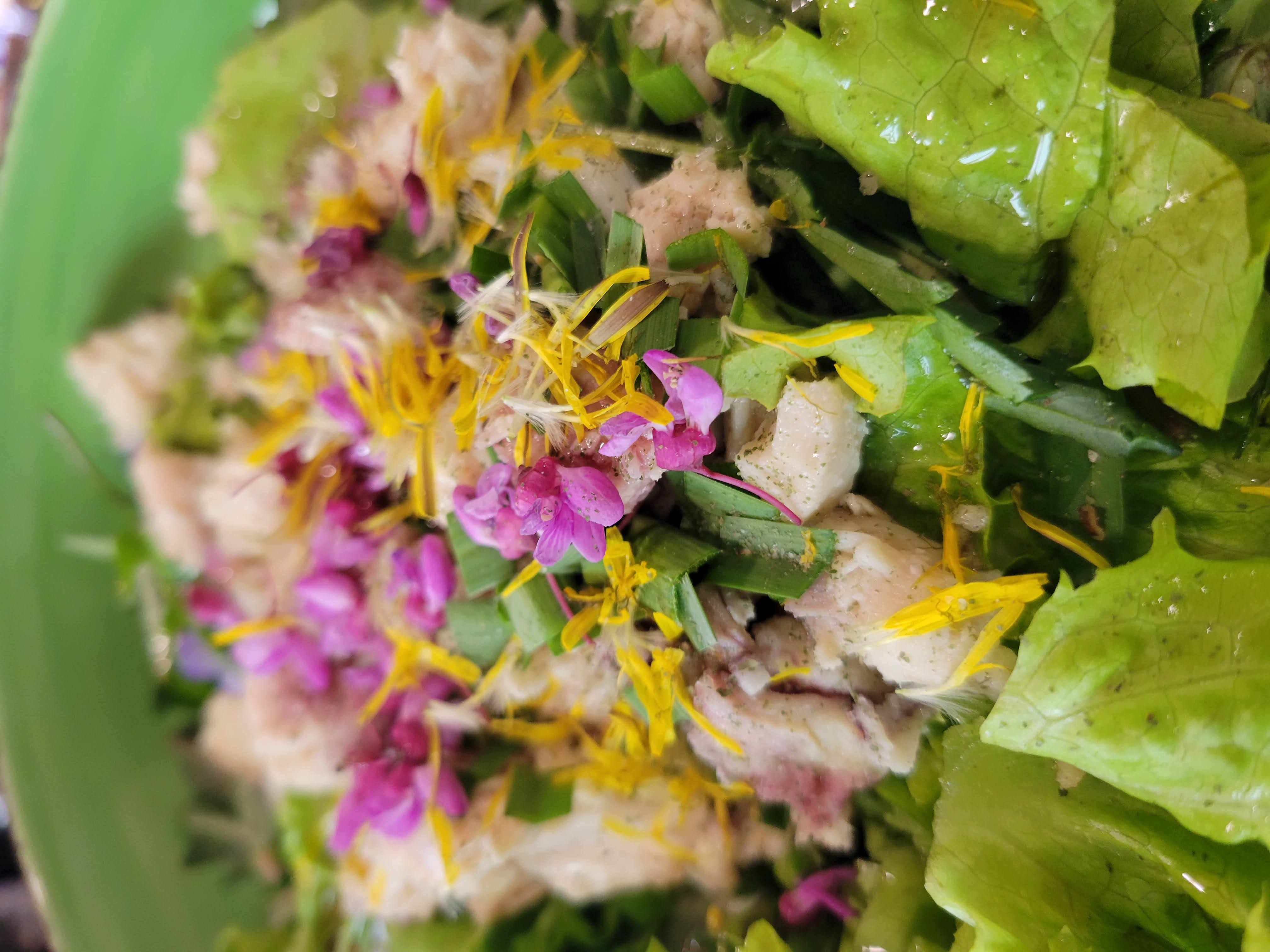
Redbud (Cercis canadensis)
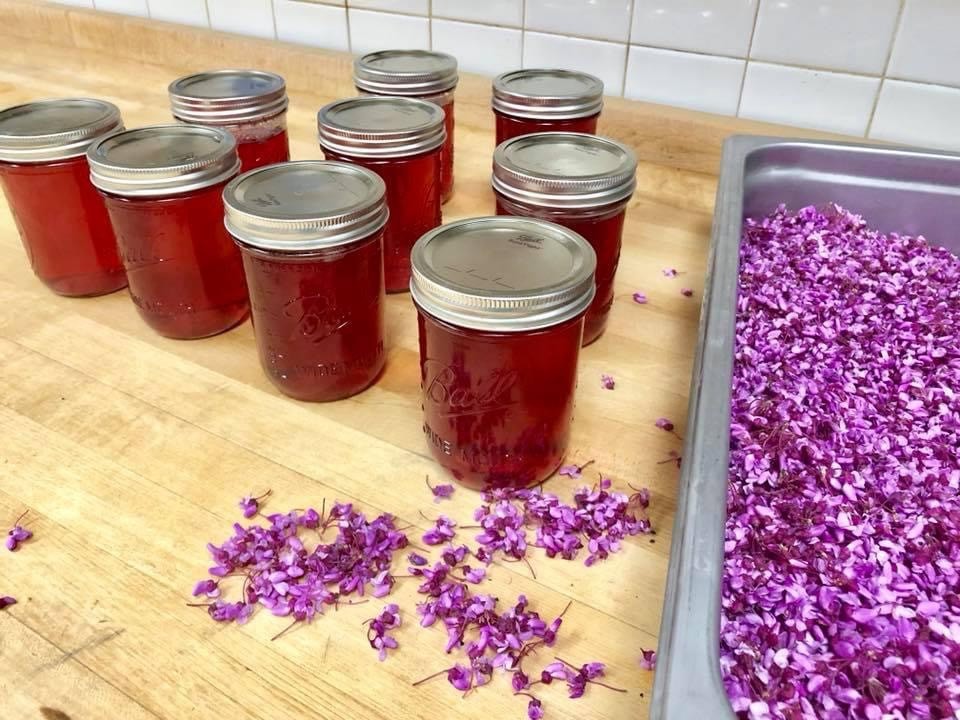
Springtime sparkle. Edible flowers, pickled pods, and heart-shaped leaves.
What It Is
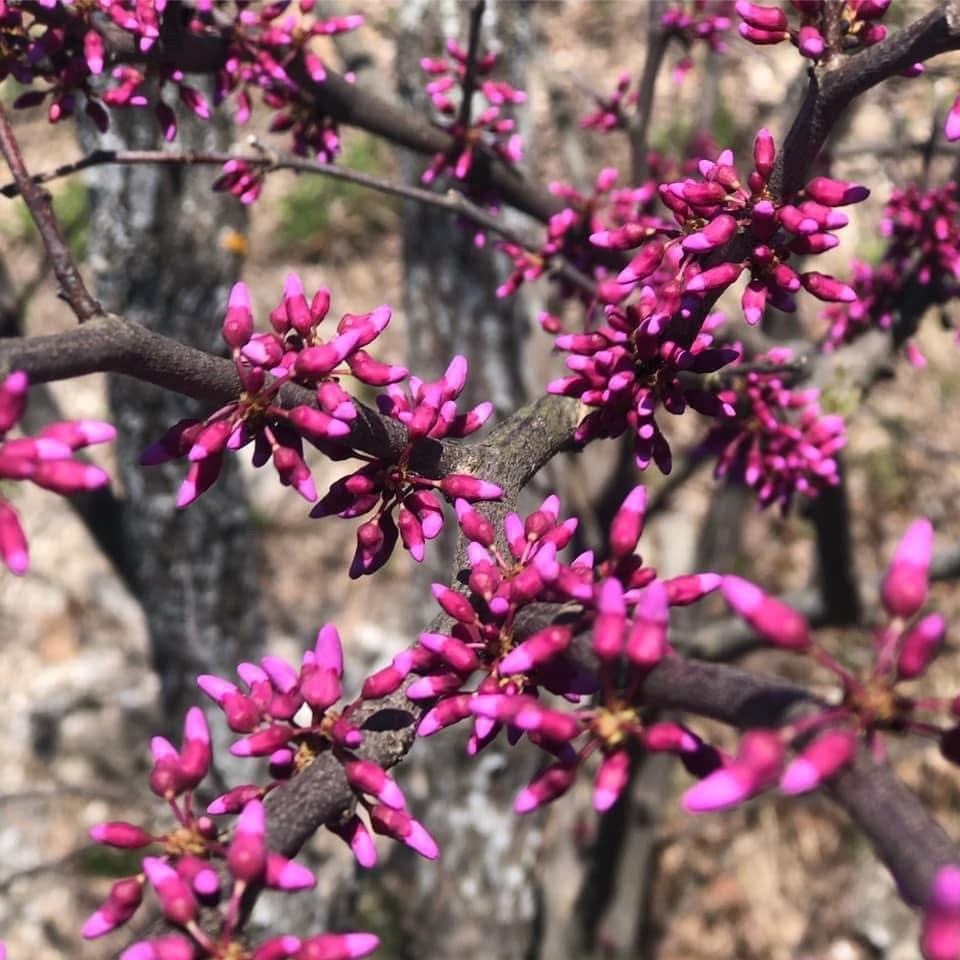
Redbud is one of the first trees to celebrate spring, covering its bare branches with clouds of rosy pink blossoms before a single leaf unfolds. Native to eastern and central North America, it brightens woodland edges, creek bottoms, old fence rows, neighborhoods, and parks with one of the season's most spectacular displays.
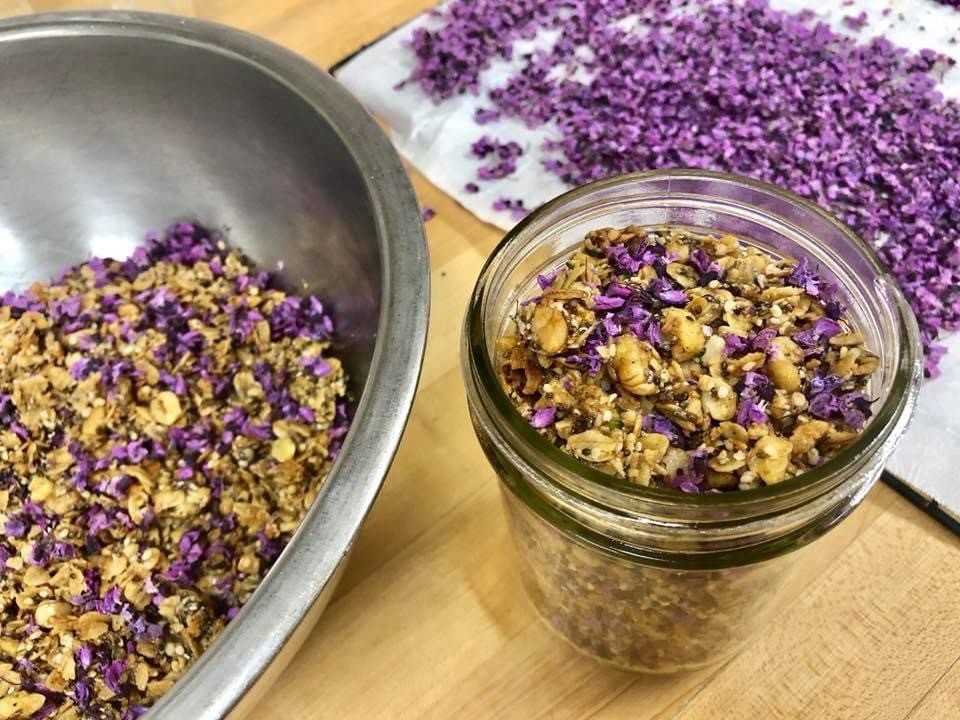
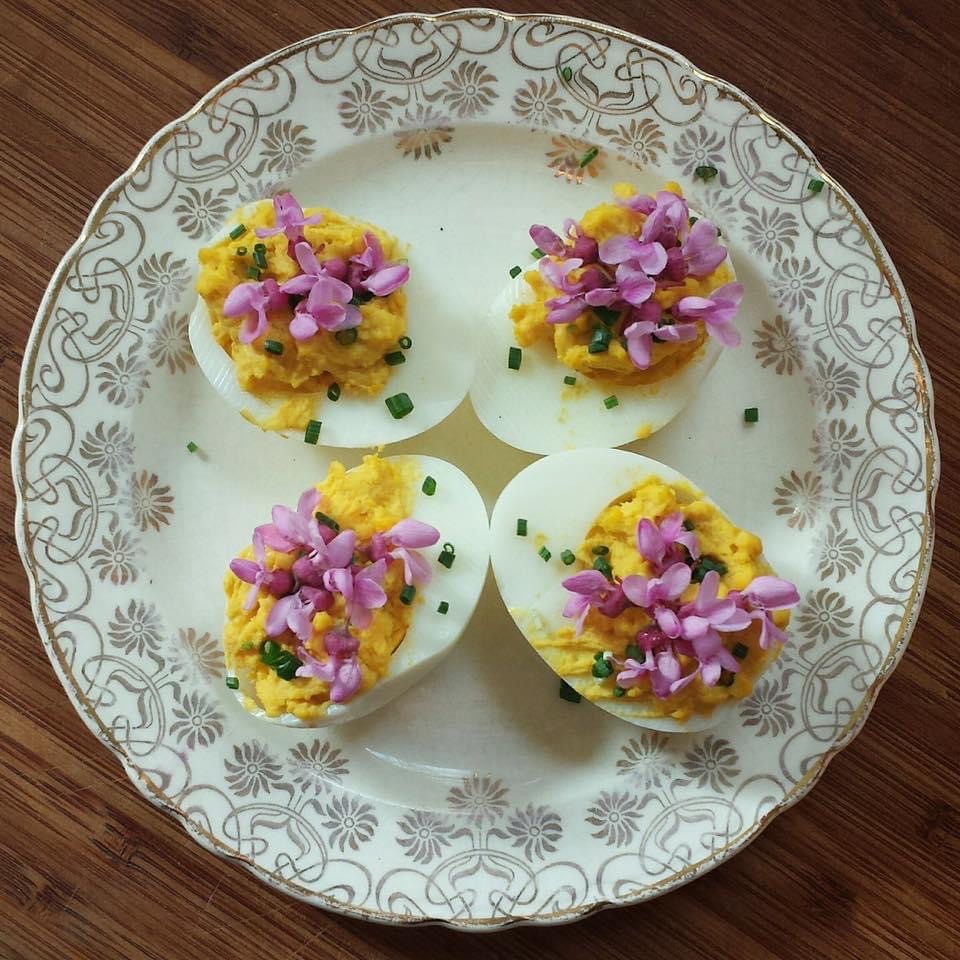
After flowering, those blossoms give way to tender green seed pods, while the tree's unmistakable heart-shaped leaves provide welcome shade through summer. Redbud offers several edible harvests throughout the growing season, making it far more than just an ornamental tree.
Field ID Quick Tip
Redbud is easy to recognize thanks to its unique flowers and leaves.
Small deciduous tree, usually 20 to 30 feet tall.
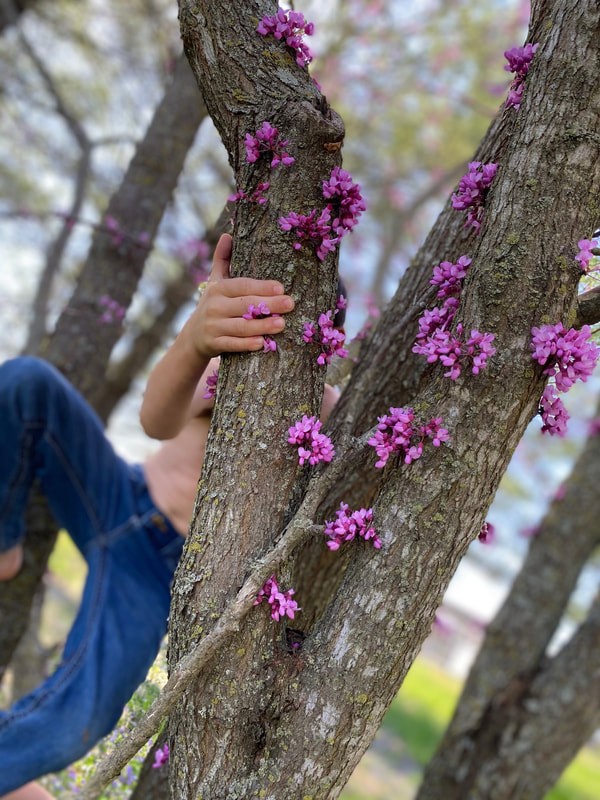
Bright pink to purple flowers bloom directly from the branches and trunk before the leaves emerge.
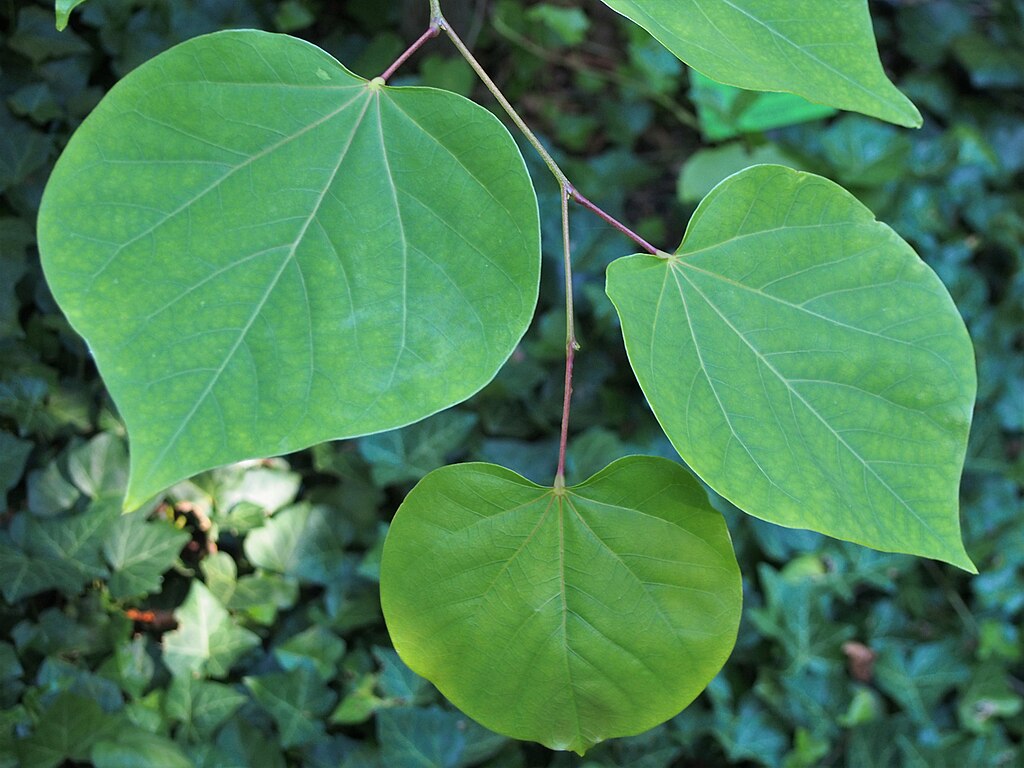
Simple, heart-shaped leaves with smooth edges.
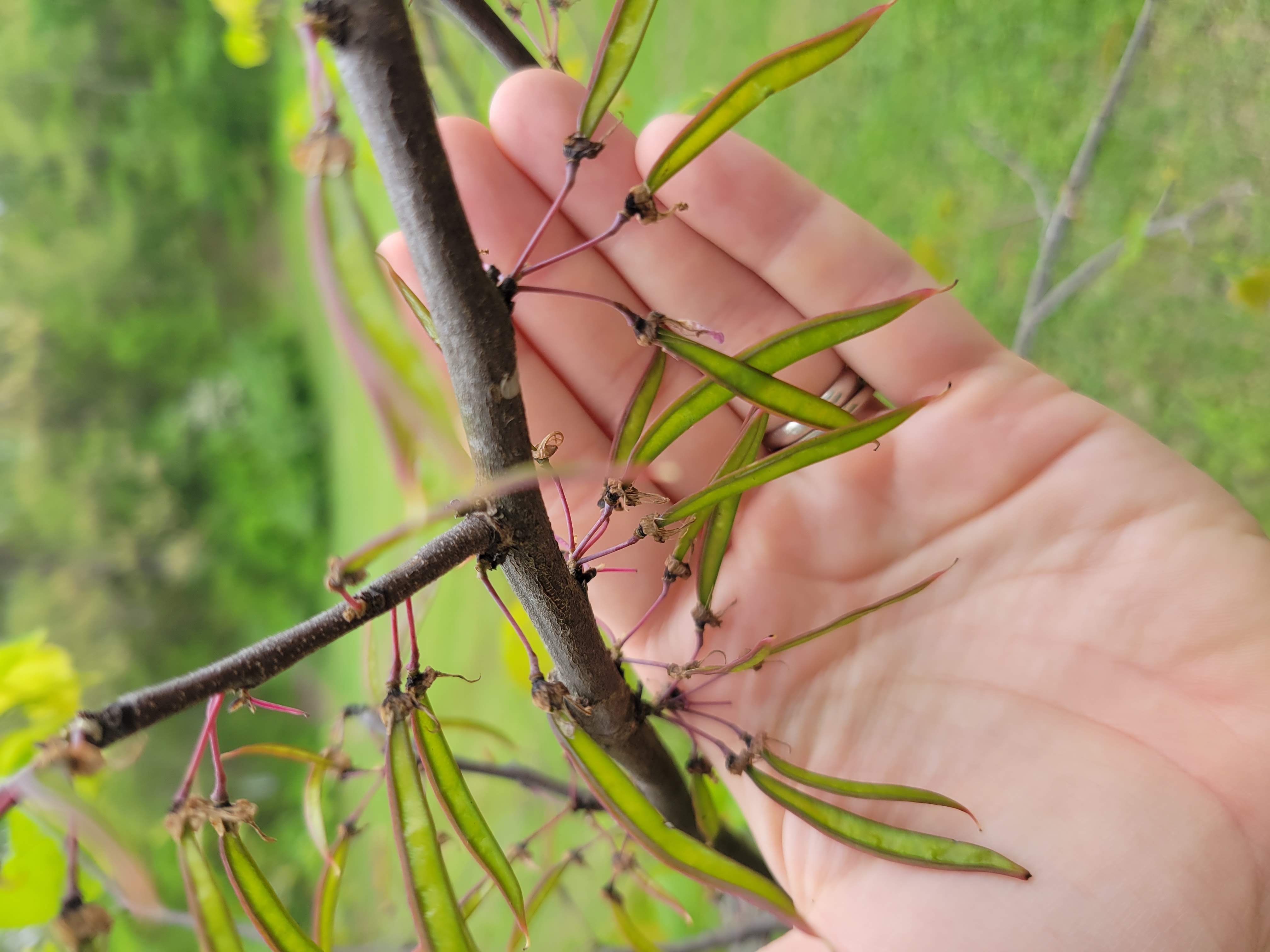
Flat, bean-like seed pods that mature from green to brown.
Gray to dark bark that becomes slightly furrowed with age.
Look-Alikes
Eastern Wisteria (Wisteria frutescens)
Purple flowers grow in long hanging clusters.
Climbing vine rather than a tree.
Compound leaves instead of heart-shaped leaves.
Catalpa (Catalpa spp.)
Large heart-shaped leaves.
White flowers with purple and yellow markings.
Long, pencil-like seed pods.
Katsura (Cercidiphyllum japonicum)
Heart-shaped leaves.
No pink flowers on bare branches.
Leaves emerge reddish-purple before turning green.
Tip: Few trees bloom directly from their trunks and older branches. If you see bright pink flowers covering bare wood in early spring, you're probably looking at a redbud.
Springtime sparkle. Edible flowers, pickled pods, and heart-shaped leaves.
What It Is
Redbud is one of the first trees to celebrate spring, covering its bare branches with clouds of rosy pink blossoms before a single leaf unfolds. Native to eastern and central North America, it brightens woodland edges, creek bottoms, old fence rows, neighborhoods, and parks with one of the season's most spectacular displays.
After flowering, those blossoms give way to tender green seed pods, while the tree's unmistakable heart-shaped leaves provide welcome shade through summer. Redbud offers several edible harvests throughout the growing season, making it far more than just an ornamental tree.
Field ID Quick Tip
Redbud is easy to recognize thanks to its unique flowers and leaves.
Small deciduous tree, usually 20 to 30 feet tall.
Bright pink to purple flowers bloom directly from the branches and trunk before the leaves emerge.
Simple, heart-shaped leaves with smooth edges.
Flat, bean-like seed pods that mature from green to brown.
Gray to dark bark that becomes slightly furrowed with age.
Look-Alikes
Eastern Wisteria (Wisteria frutescens)
Purple flowers grow in long hanging clusters.
Climbing vine rather than a tree.
Compound leaves instead of heart-shaped leaves.
Catalpa (Catalpa spp.)
Large heart-shaped leaves.
White flowers with purple and yellow markings.
Long, pencil-like seed pods.
Katsura (Cercidiphyllum japonicum)
Heart-shaped leaves.
No pink flowers on bare branches.
Leaves emerge reddish-purple before turning green.
Tip: Few trees bloom directly from their trunks and older branches. If you see bright pink flowers covering bare wood in early spring, you're probably looking at a redbud.