Evergreen ally. Resin, needles, and the scent of winter.
What It Is
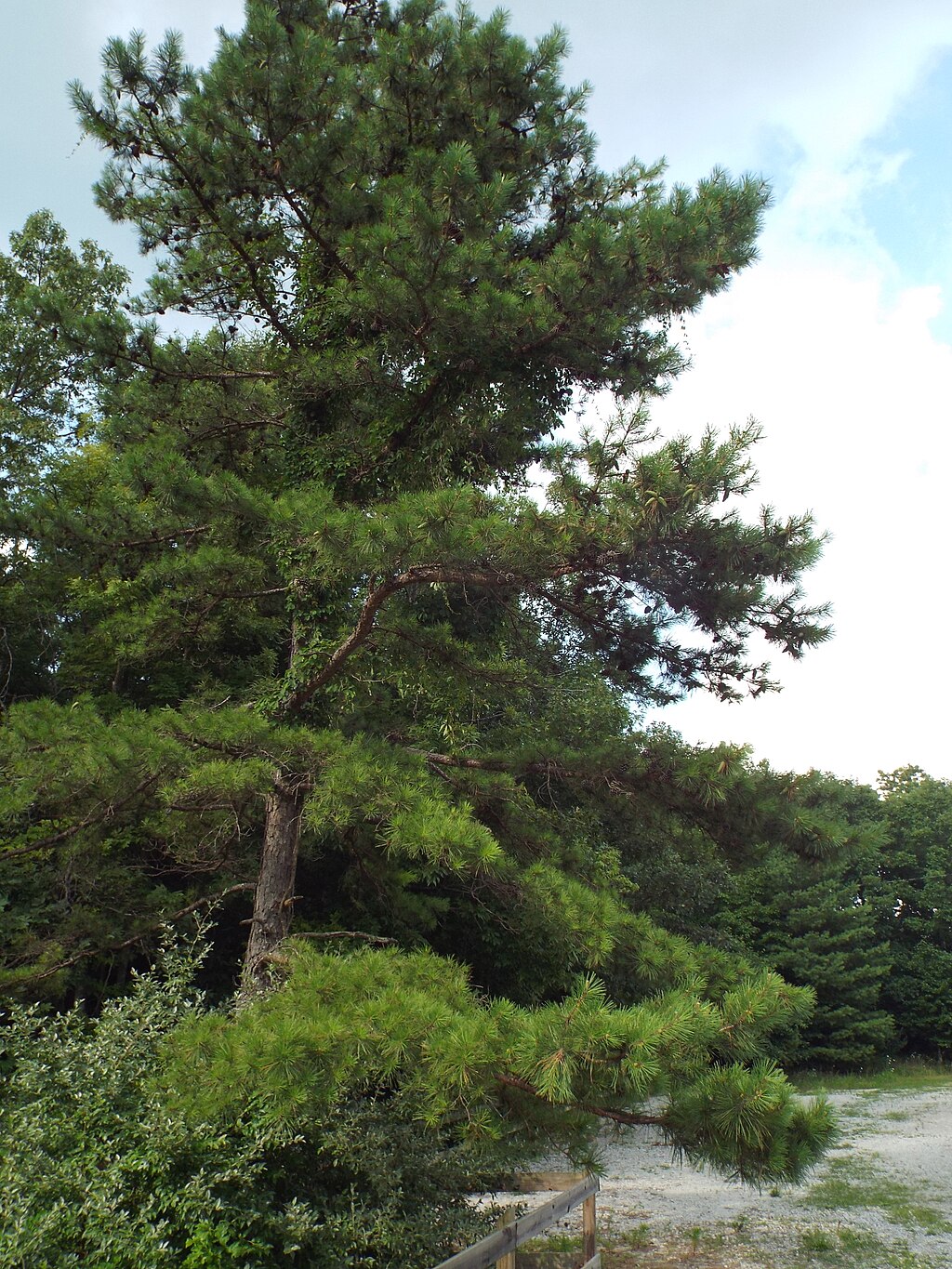
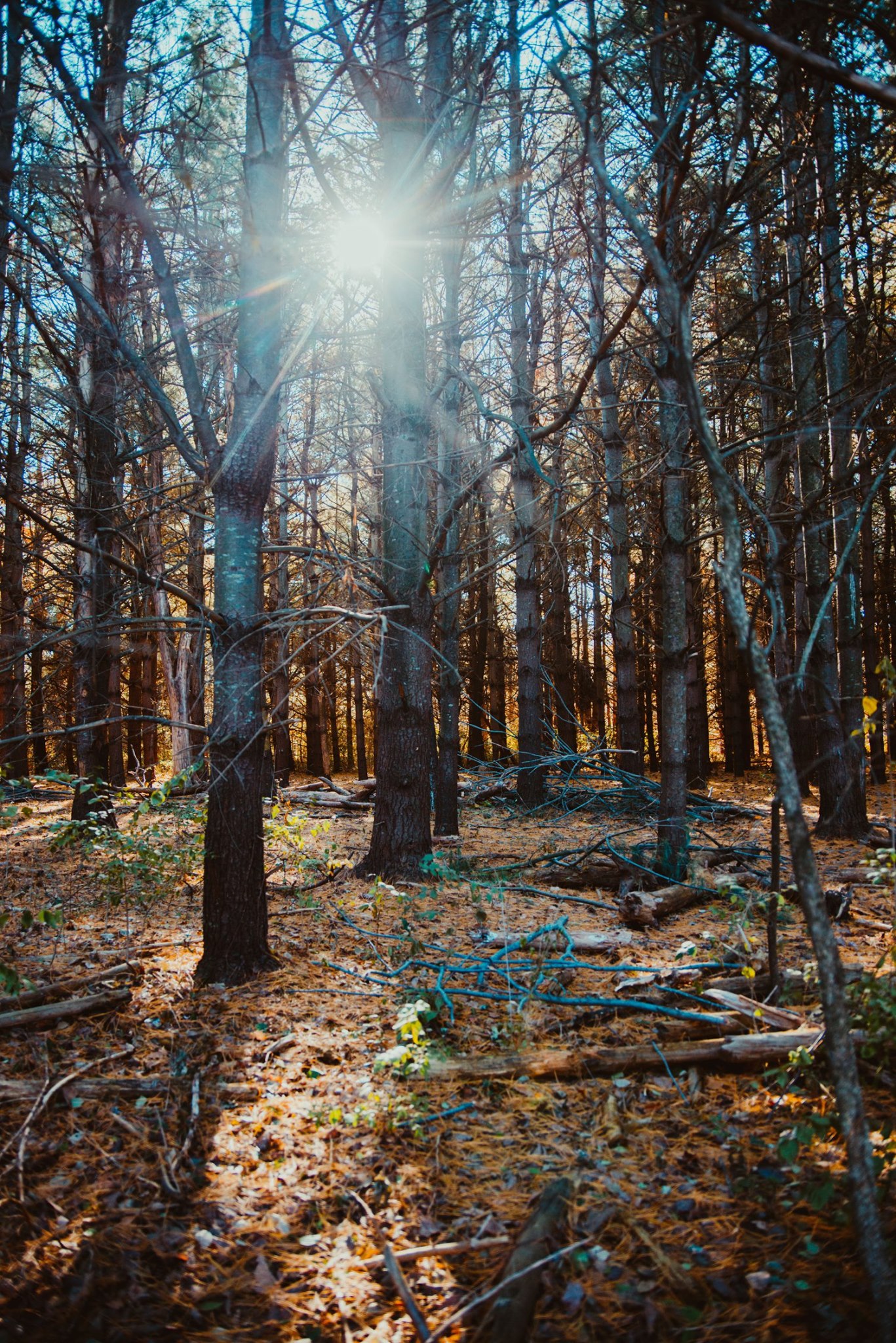
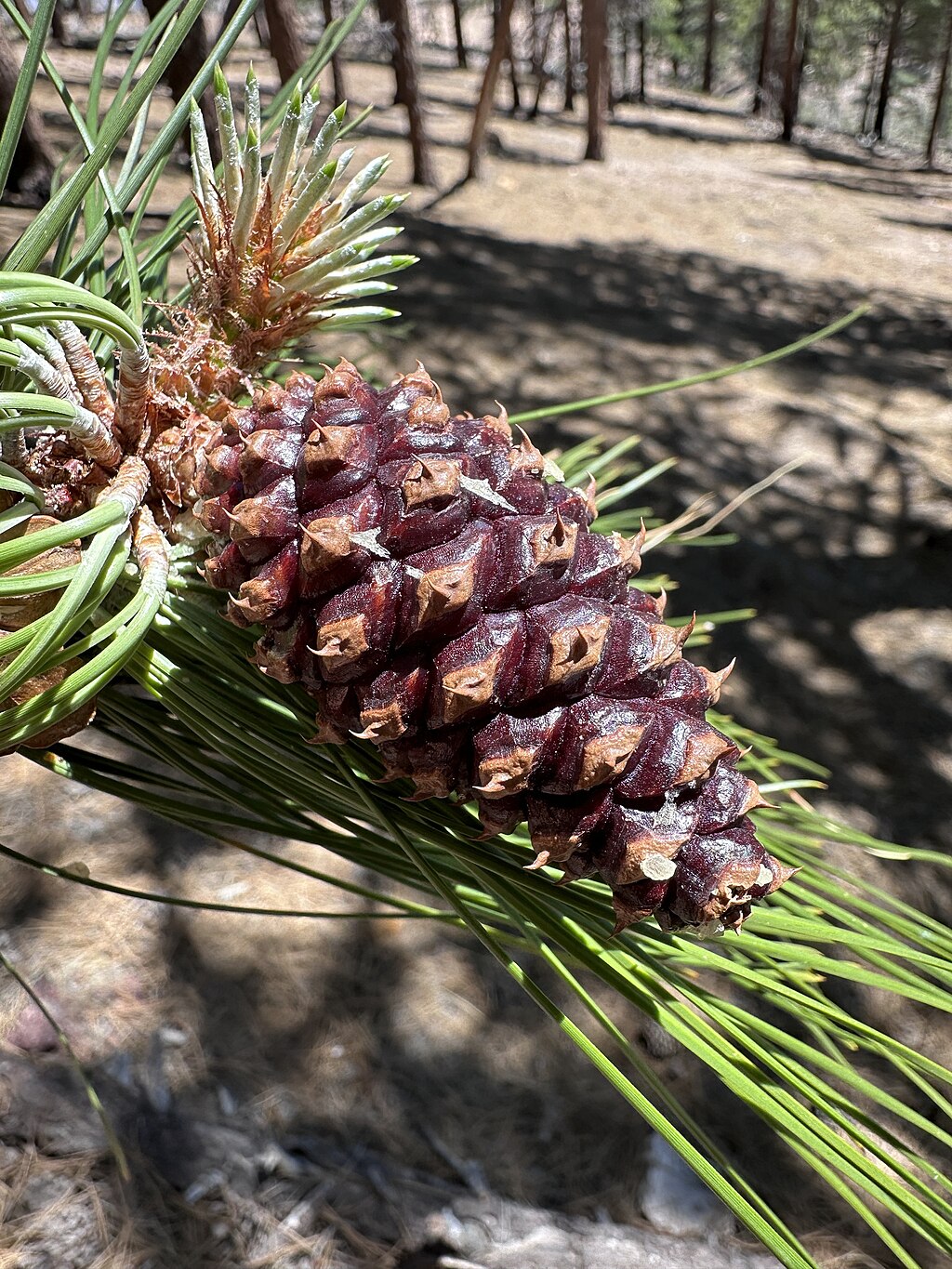
Pines are among North America's most recognizable trees, growing from windswept mountains to sandy plains and backyard landscapes. Their evergreen needles, woody cones, and fragrant resin have made them valuable to people for food, medicine, shelter, and craftsmanship for thousands of years.
One of the easiest ways to identify a pine is by counting its needles. Unlike spruces and firs, pine needles grow in bundles called fascicles, and the number of needles in each bundle quickly narrows down which species you're looking at.
Field ID Quick Tip
Pines are identified first by counting the number of needles growing from each fascicle.
White Pine Group (Pinus strobus and relatives)
Five soft needles per bundle.
Needles are flexible and bluish-green.
Long, slender cones.
Young bark is smooth and gray, becoming broad plated with age.
Graceful, airy appearance.
Memory Trick:W-H-I-T-E has 5 letters, just like the five needles in each bundle.
Red Pine Group
Here's where things get confusing. "Red pine" means different things depending on where you are.
True Red Pine (Pinus resinosa)
Two needles per bundle.
Long, stiff needles that snap cleanly when bent.
Reddish, plated bark.
Straight trunk with an even crown.
Southern "Red" Pines
Species like Loblolly, Longleaf, and Slash Pine are sometimes casually called red pines because of their bark.
Usually three needles per bundle.
Long needles.
Thick, reddish bark.
Other Needle Counts
2 needles: True Red Pine, Jack Pine, Lodgepole Pine.
3 needles: Loblolly, Longleaf, Pitch, Ponderosa.
5 needles: All White Pines.
Look-Alikes
Spruce (Picea spp.)
Needles grow individually.
Sharp, square needles that roll easily between your fingers.
Cones hang downward.
Fir (Abies spp.)
Needles grow individually.
Soft, flattened needles.
Cones stand upright on the branches.
Yew (Taxus spp.)
Flat needles attached individually.
Red, berry-like fruits.
Highly toxic.
Tip:If the needles grow in bundles, you're looking at a pine. If they grow one at a time, it isn't a pine.
Evergreen ally. Resin, needles, and the scent of winter.
What It Is
Pines are among North America's most recognizable trees, growing from windswept mountains to sandy plains and backyard landscapes. Their evergreen needles, woody cones, and fragrant resin have made them valuable to people for food, medicine, shelter, and craftsmanship for thousands of years.
One of the easiest ways to identify a pine is by counting its needles. Unlike spruces and firs, pine needles grow in bundles called fascicles, and the number of needles in each bundle quickly narrows down which species you're looking at.
Field ID Quick Tip
Pines are identified first by counting the number of needles growing from each fascicle.
White Pine Group (Pinus strobus and relatives)
Five soft needles per bundle.
Needles are flexible and bluish-green.
Long, slender cones.
Young bark is smooth and gray, becoming broad plated with age.
Graceful, airy appearance.
Memory Trick:W-H-I-T-E has 5 letters, just like the five needles in each bundle.
Red Pine Group
Here's where things get confusing. "Red pine" means different things depending on where you are.
True Red Pine (Pinus resinosa)
Two needles per bundle.
Long, stiff needles that snap cleanly when bent.
Reddish, plated bark.
Straight trunk with an even crown.
Southern "Red" Pines
Species like Loblolly, Longleaf, and Slash Pine are sometimes casually called red pines because of their bark.
Usually three needles per bundle.
Long needles.
Thick, reddish bark.
Other Needle Counts
2 needles: True Red Pine, Jack Pine, Lodgepole Pine.
3 needles: Loblolly, Longleaf, Pitch, Ponderosa.
5 needles: All White Pines.
Look-Alikes
Spruce (Picea spp.)
Needles grow individually.
Sharp, square needles that roll easily between your fingers.
Cones hang downward.
Fir (Abies spp.)
Needles grow individually.
Soft, flattened needles.
Cones stand upright on the branches.
Yew (Taxus spp.)
Flat needles attached individually.
Red, berry-like fruits.
Highly toxic.
Tip:If the needles grow in bundles, you're looking at a pine. If they grow one at a time, it isn't a pine.
Use It Like This
Needles
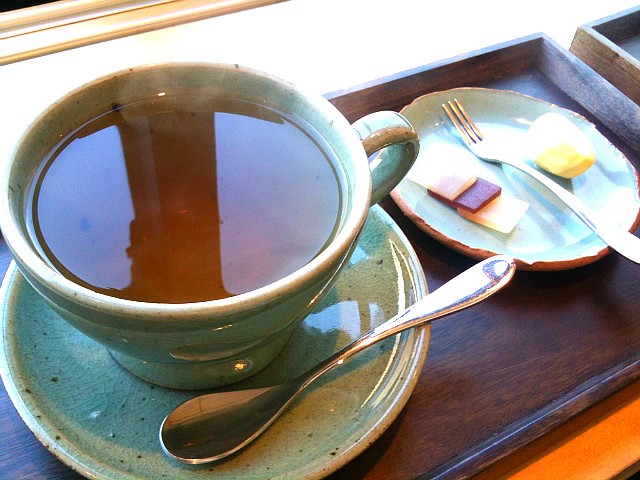
Steep into bright, citrusy tea.
Infuse into syrups and simple syrups.
Flavor vinegars.
Dry for winter tea blends.
Add to fire cider or herbal infusions.
Spring Tips
Eat fresh in moderation.
Candy for desserts.
Blend into sugar or salt.
Make pine tip jelly.
Infuse into honey or vinegar.
Pollen
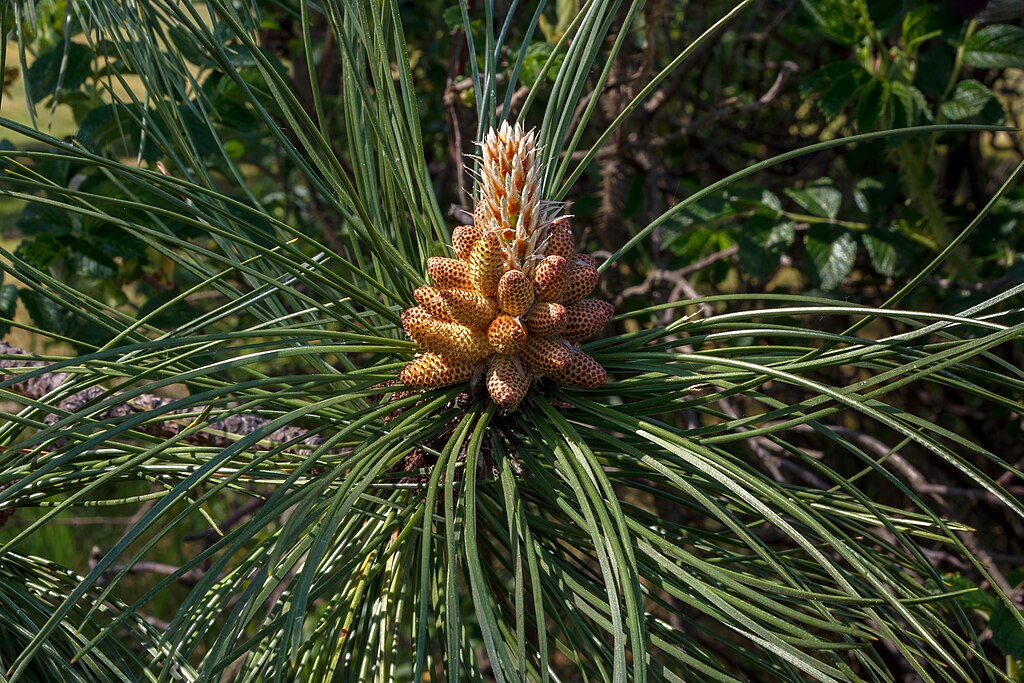
Gather the yellow spring pollen.
Add to pancakes, breads, or muffins.
Use as a natural thickener.
Mix into smoothies or energy bites.
Resin (Pitch)
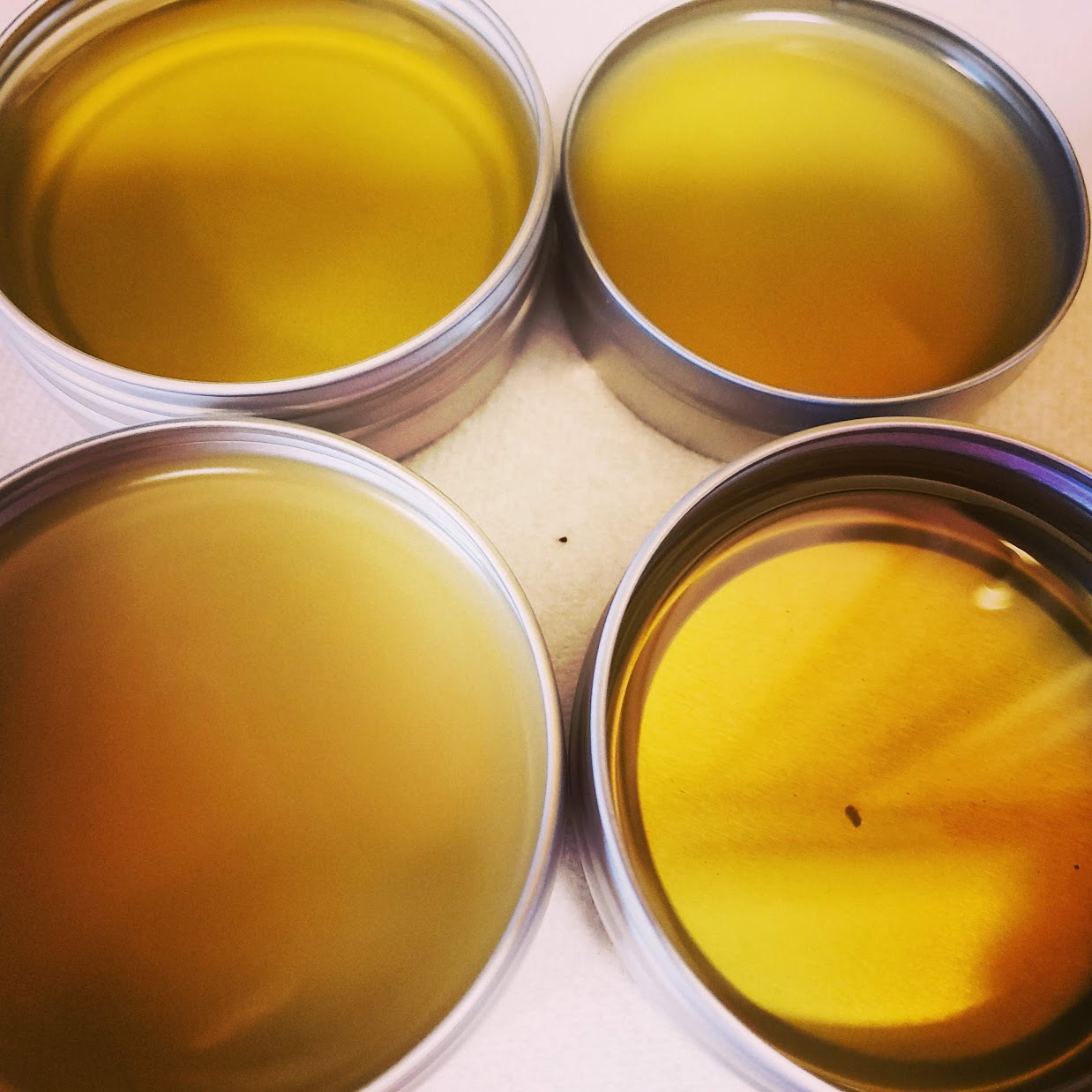
Collect hardened amber pitch.
Make traditional salves.
Use as an excellent fire starter.
Waterproof natural fiber crafts.
Create primitive adhesives.
Wood & Cones
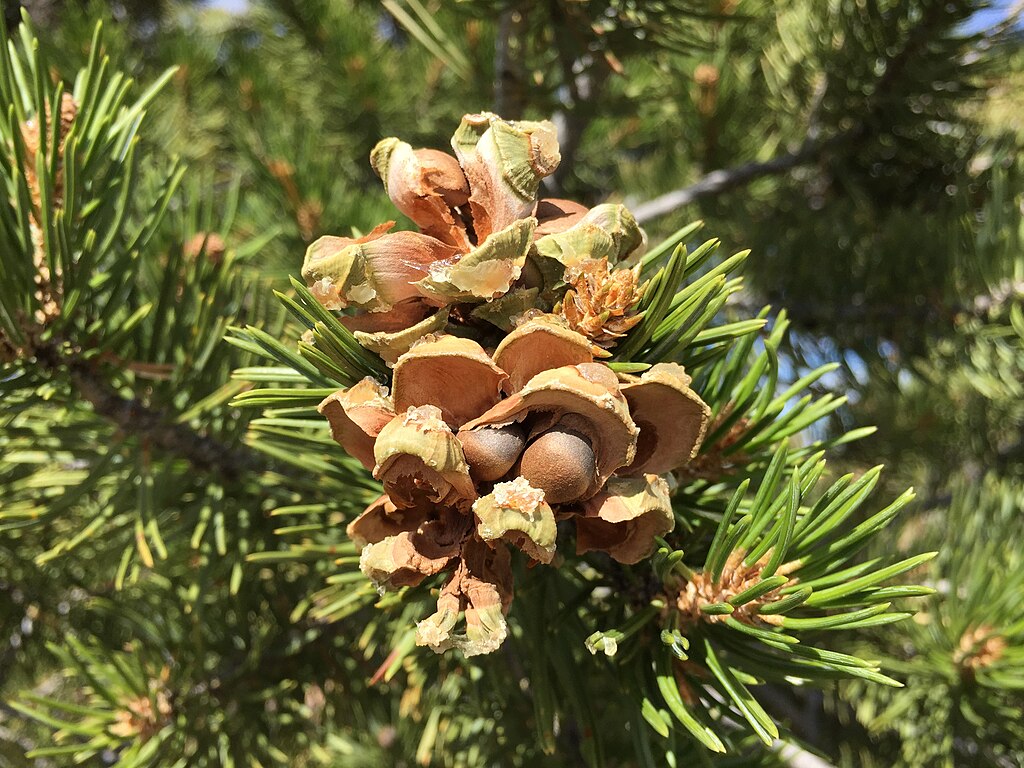
Use cones for crafts and natural fire starters.
Burn seasoned wood where appropriate.
Carve rustic projects from fallen branches.
Tip:Harvest fresh green spring tips rather than mature needles when possible. They're tender, aromatic, and have the brightest citrus flavor.
Harvest Notes
Harvest needles from healthy trees year-round.
Collect spring tips only after new growth begins to elongate.
Gather hardened resin rather than cutting into living bark.
Collect pollen on dry, windy spring days.
Leave plenty of new growth so trees can continue growing vigorously.
Avoid harvesting from ornamental trees treated with pesticides.
Seasonal Tip: The best pine tip harvest lasts only a week or two each spring. Watch your trees closely because those tender tips mature quickly.
Did You Know?
Pine needles contain surprisingly high amounts of vitamin C, and pine needle tea has been enjoyed for centuries as a refreshing winter drink. During long winters and historic expeditions, evergreen teas helped provide fresh plant nutrients when little else was available.
Ancient Roots
Pines have covered parts of Earth for more than 150 million years, long before flowering plants became dominant. Their tough needles, protective resin, and durable wood allowed them to thrive through changing climates and ice ages.
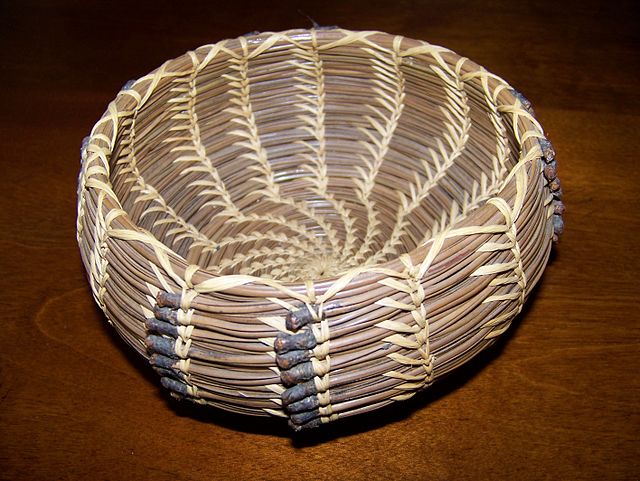
Across North America, Indigenous peoples used pines extensively for food, shelter, baskets, medicines, adhesives, and fire. Resin sealed canoes and containers, needles became teas and bedding, and the wood built homes and tools. Today, pines remain some of the world's most economically and ecologically important trees.
Wild Pantry Snapshot
Pine is one of the most generous trees you'll ever meet. From fragrant spring tips and vitamin-rich needles to pollen, resin, and wood, nearly every season offers something useful. Once you learn to count the needles, an entire evergreen pantry opens up around you.