Plant ID Pages

Plant ID Pages

Plant ID Pages

Hummingbird moth with bee balm blossom

Pecan (Carya illinoinensis)


River-born sweetness. The South’s proudest nut.


What It Is


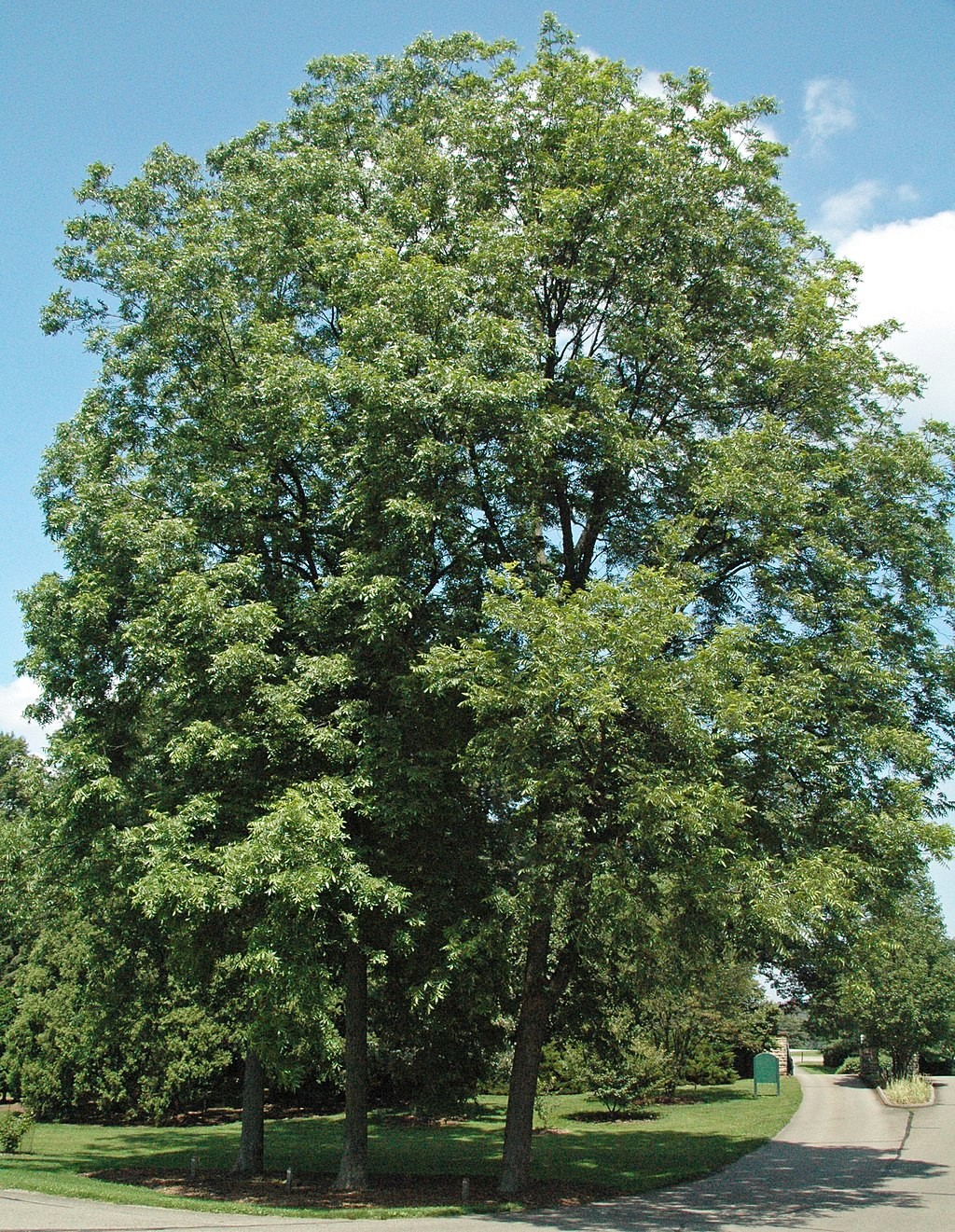
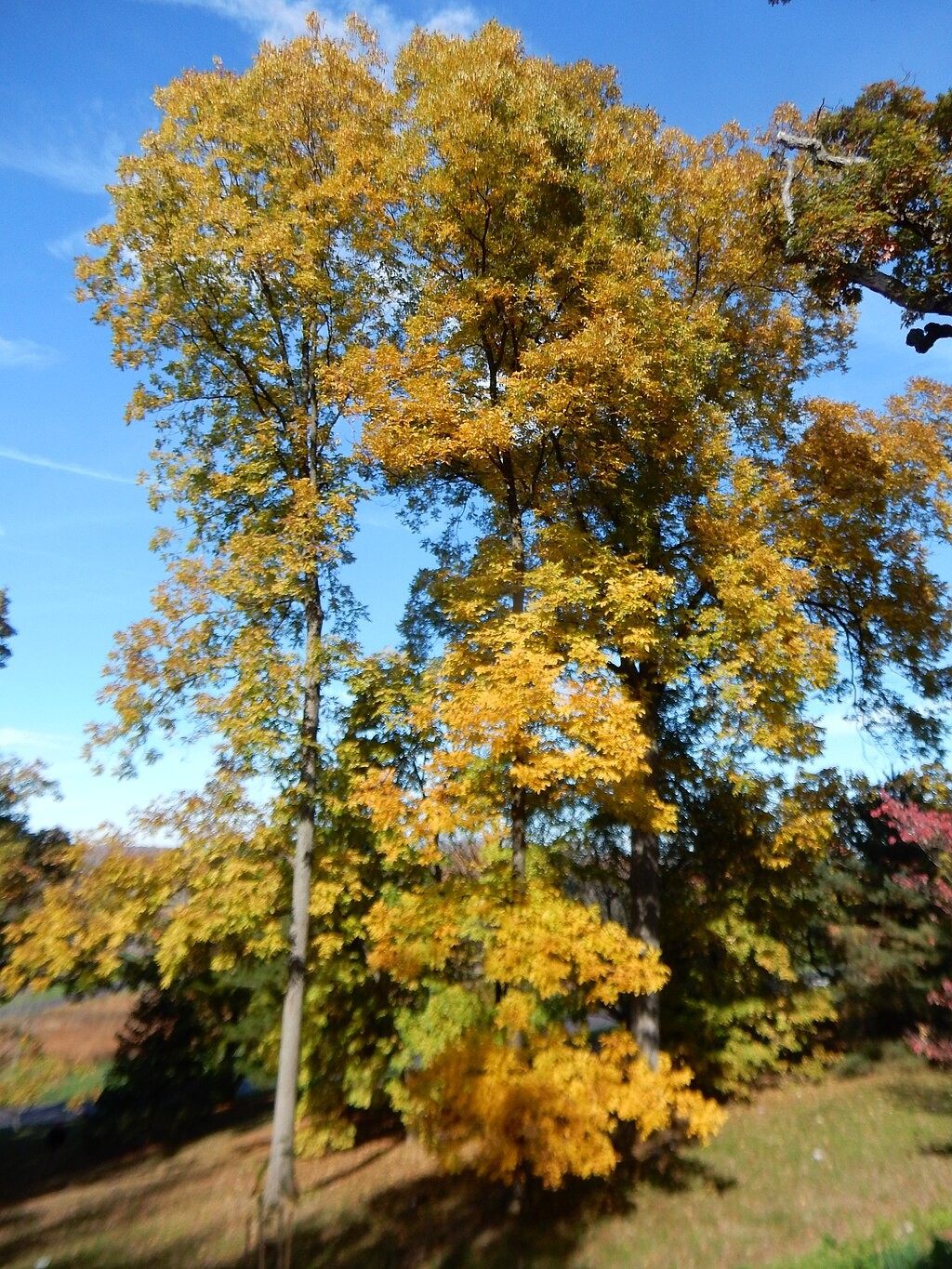
Pecan is a tall native hickory of the central and southern United States, most at home along river bottoms, floodplains, rich valleys, and old farmsteads. Its long, featherlike compound leaves and smooth, thin-shelled nuts make it one of the most beloved wild and cultivated nut trees in North America.


Though people often think of pecan as separate from hickory, it belongs to the same genus, Carya. In other words, pecans are hickories, just the fancy cousin that got invited to every holiday pie.


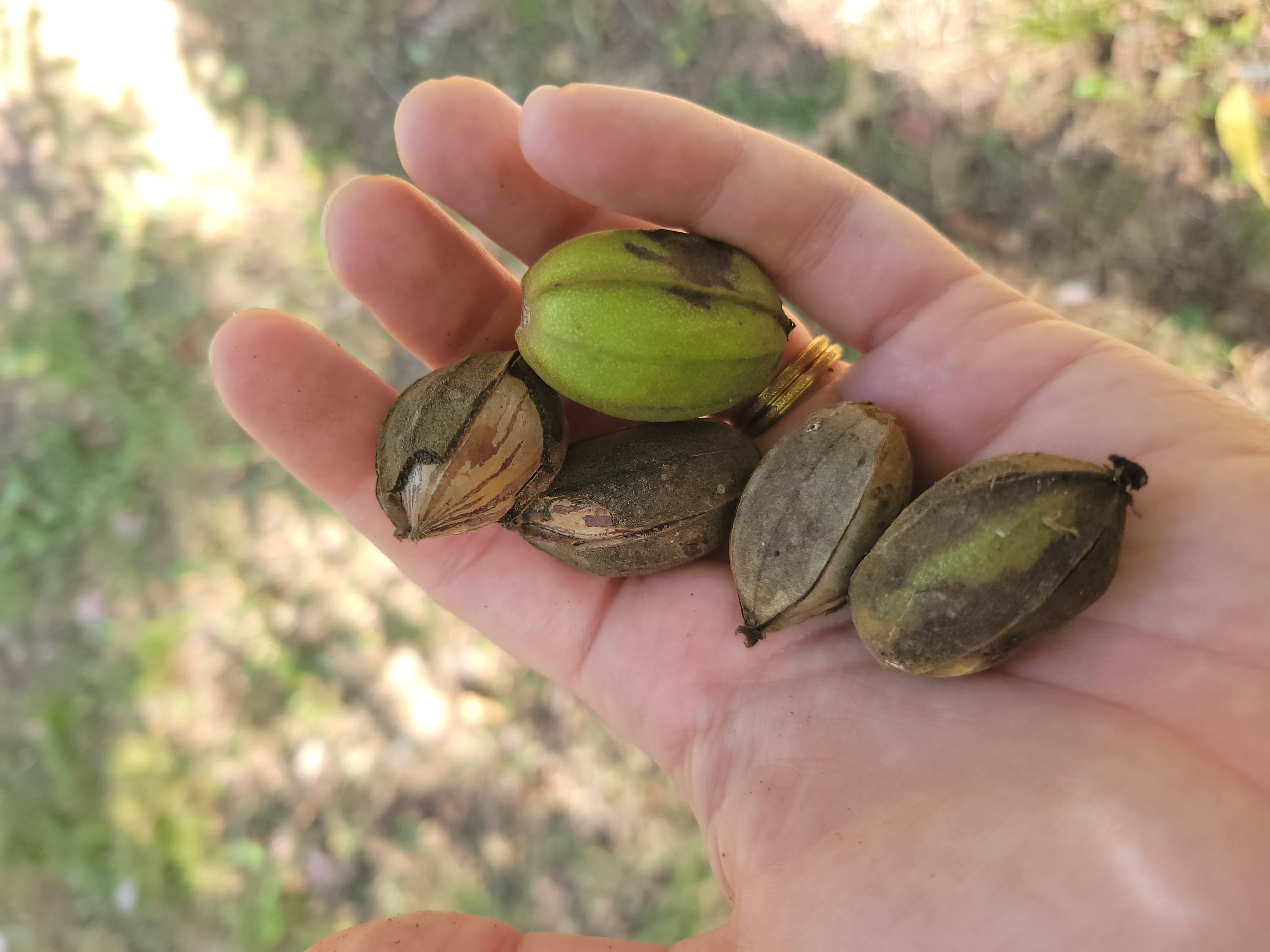
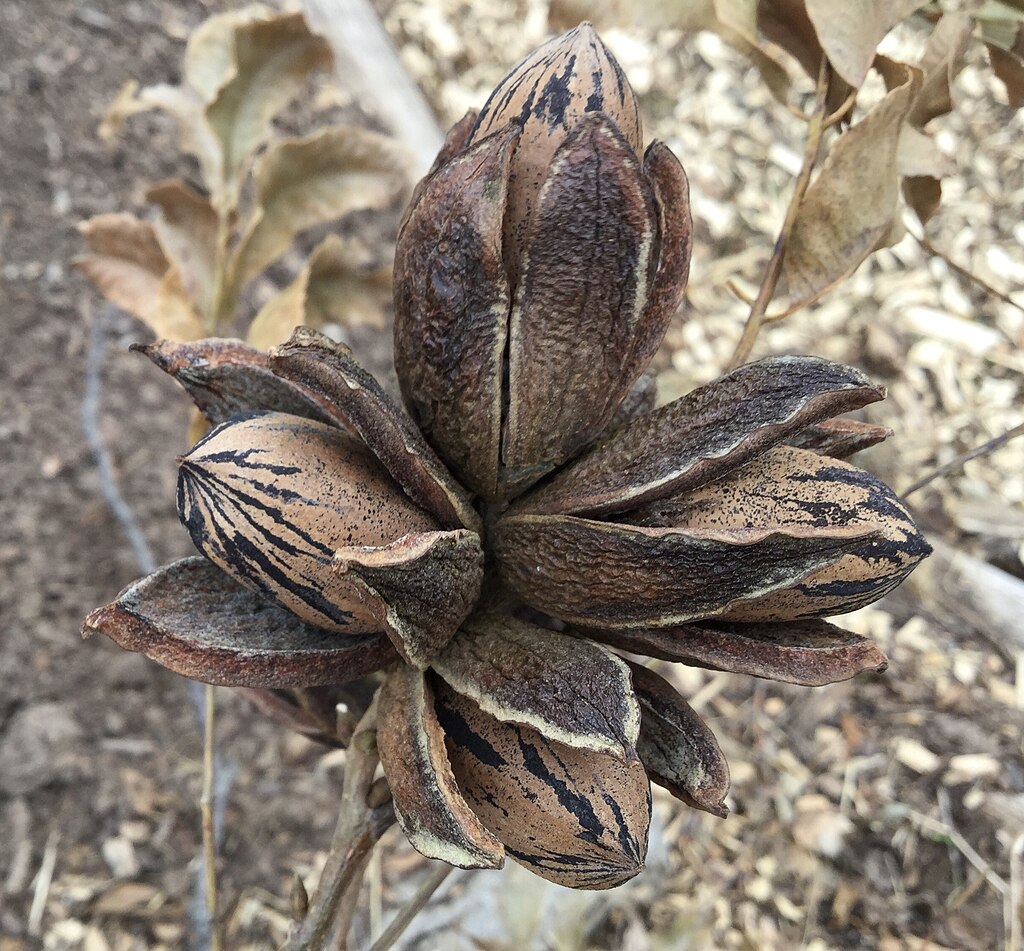
The nuts form inside green husks that split into four sections when ripe. In a good year, one mature pecan tree can drop enough nuts to feed people, squirrels, crows, deer, and half the neighborhood.


Field ID Quick Tip


Pecan is easiest to recognize by its leaves, nuts, and river-loving habits.

  • Tall tree, often 70 to 100 feet or more.

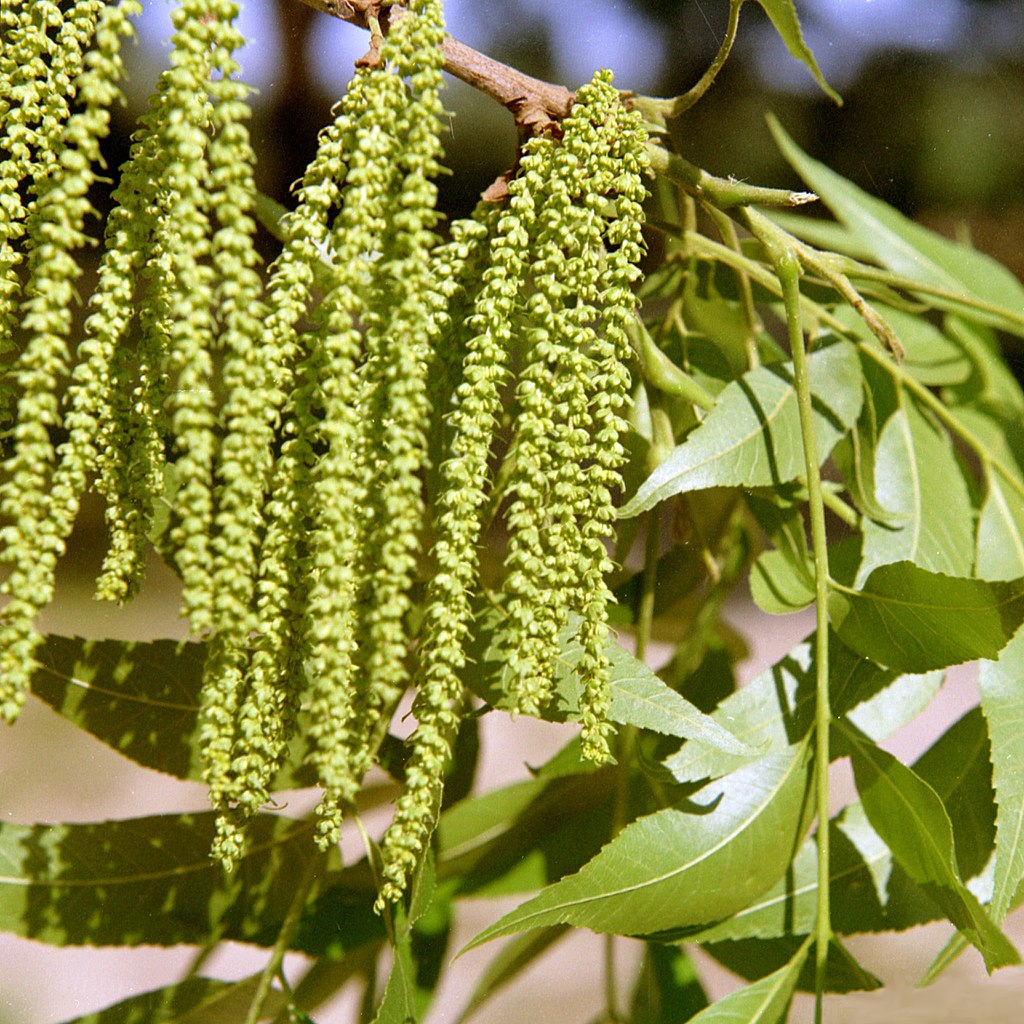
  • Alternate, compound leaves with 9 to 17 narrow, curved leaflets.

  • Leaflets are sharply toothed and often slightly sickle-shaped.

  • Green husks split into four sections as the nut matures.

  • Nuts are oval, smooth, and thinner-shelled than most hickories.

  • Often found near rivers, bottomlands, old homesteads, and planted yards.


Look-Alikes


Other Hickories (
Carya spp.)

  • Usually have broader leaflets.

  • Nuts often have thicker shells.

  • Husks are generally heavier and harder.

  • Many require more effort to crack than pecans.


Black Walnut (
Juglans nigra)

  • Round green fruits rather than oval pecans.

  • Strong citrusy smell from the husk.

  • Dark, deeply ridged bark.

  • Nuts enclosed in thick husks that do not split cleanly into four sections.


Tip:
Pecan leaflets are long, narrow, and slightly curved. If the nut is thin-shelled and oval, and the husk splits into four clean sections, you are probably looking at pecan.
River-born sweetness. The South’s proudest nut.


What It Is


Pecan is a tall native hickory of the central and southern United States, most at home along river bottoms, floodplains, rich valleys, and old farmsteads. Its long, featherlike compound leaves and smooth, thin-shelled nuts make it one of the most beloved wild and cultivated nut trees in North America.


Though people often think of pecan as separate from hickory, it belongs to the same genus, Carya. In other words, pecans are hickories, just the fancy cousin that got invited to every holiday pie.


The nuts form inside green husks that split into four sections when ripe. In a good year, one mature pecan tree can drop enough nuts to feed people, squirrels, crows, deer, and half the neighborhood.


Field ID Quick Tip


Pecan is easiest to recognize by its leaves, nuts, and river-loving habits.

  • Tall tree, often 70 to 100 feet or more.

  • Alternate, compound leaves with 9 to 17 narrow, curved leaflets.

  • Leaflets are sharply toothed and often slightly sickle-shaped.

  • Green husks split into four sections as the nut matures.

  • Nuts are oval, smooth, and thinner-shelled than most hickories.

  • Often found near rivers, bottomlands, old homesteads, and planted yards.


Look-Alikes


Other Hickories (Carya spp.)

  • Usually have broader leaflets.

  • Nuts often have thicker shells.

  • Husks are generally heavier and harder.

  • Many require more effort to crack than pecans.


Black Walnut (Juglans nigra)

  • Round green fruits rather than oval pecans.

  • Strong citrusy smell from the husk.

  • Dark, deeply ridged bark.

  • Nuts enclosed in thick husks that do not split cleanly into four sections.


Tip: Pecan leaflets are long, narrow, and slightly curved. If the nut is thin-shelled and oval, and the husk splits into four clean sections, you are probably looking at pecan.
Use It Like This

Nuts

  • Eat fresh after drying or curing.

  • Toast for snacks, salads, and grain bowls.

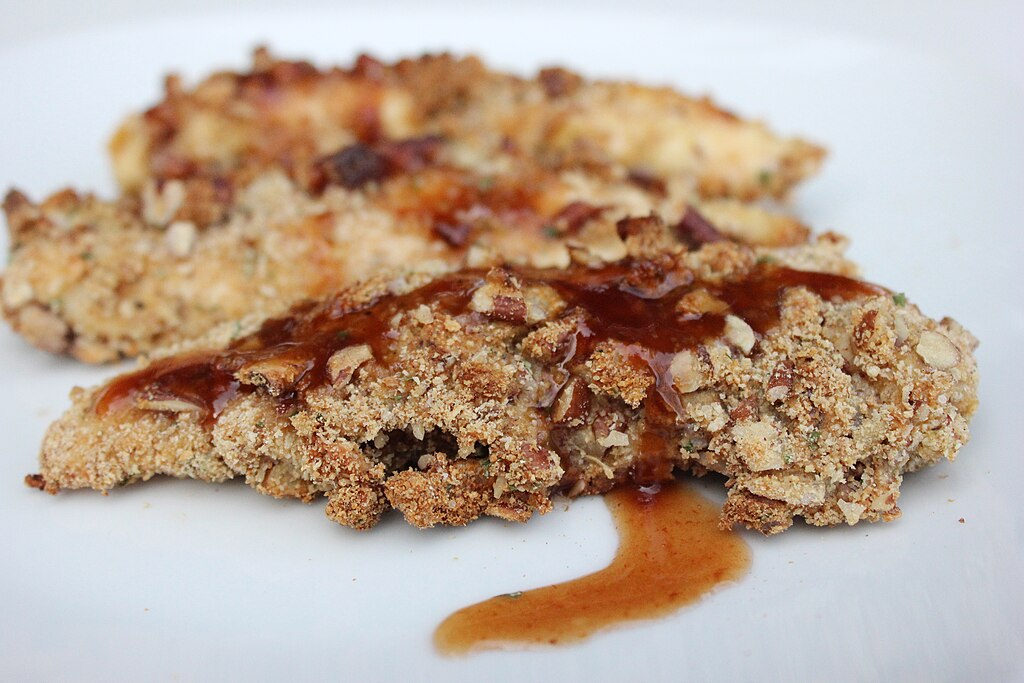
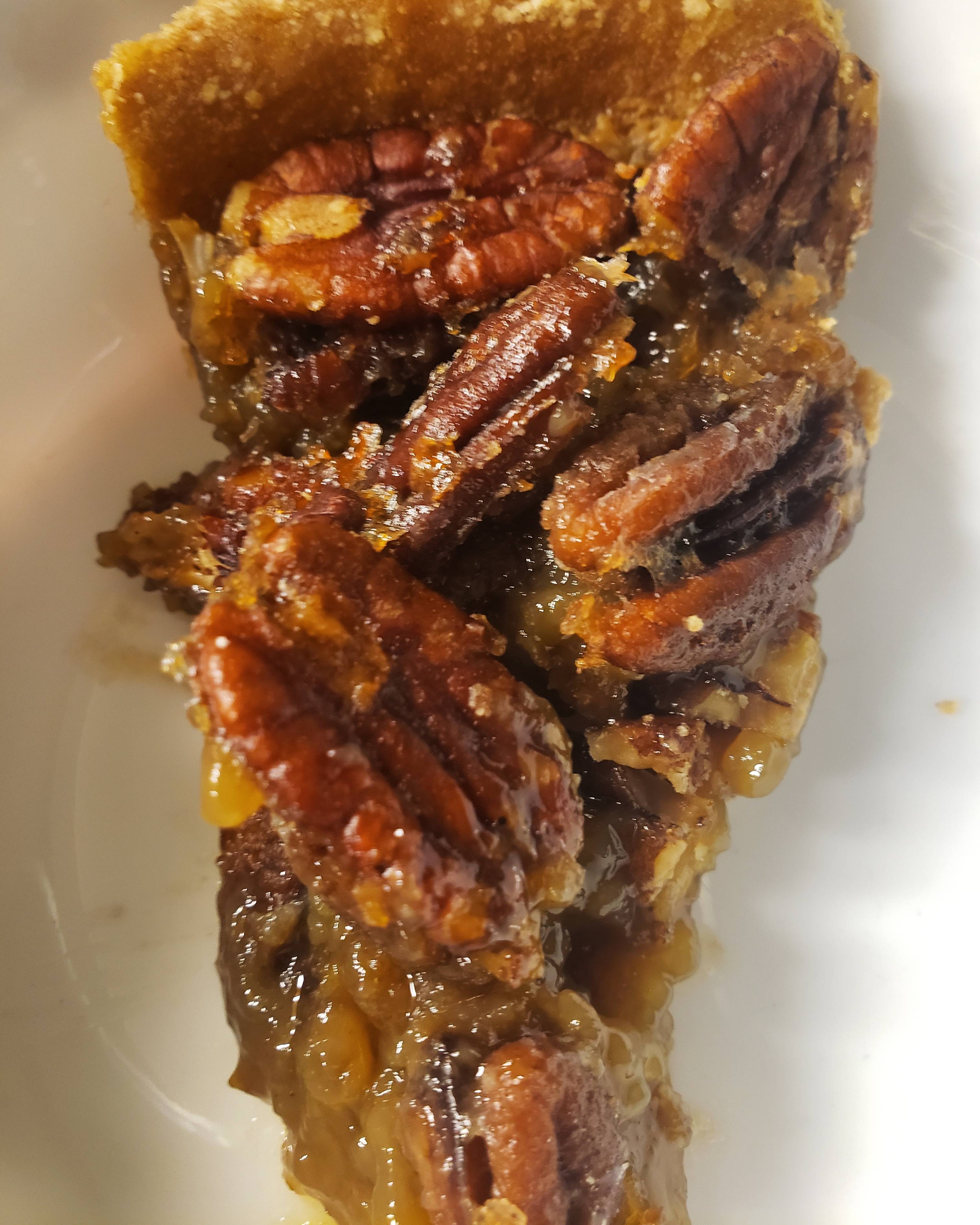
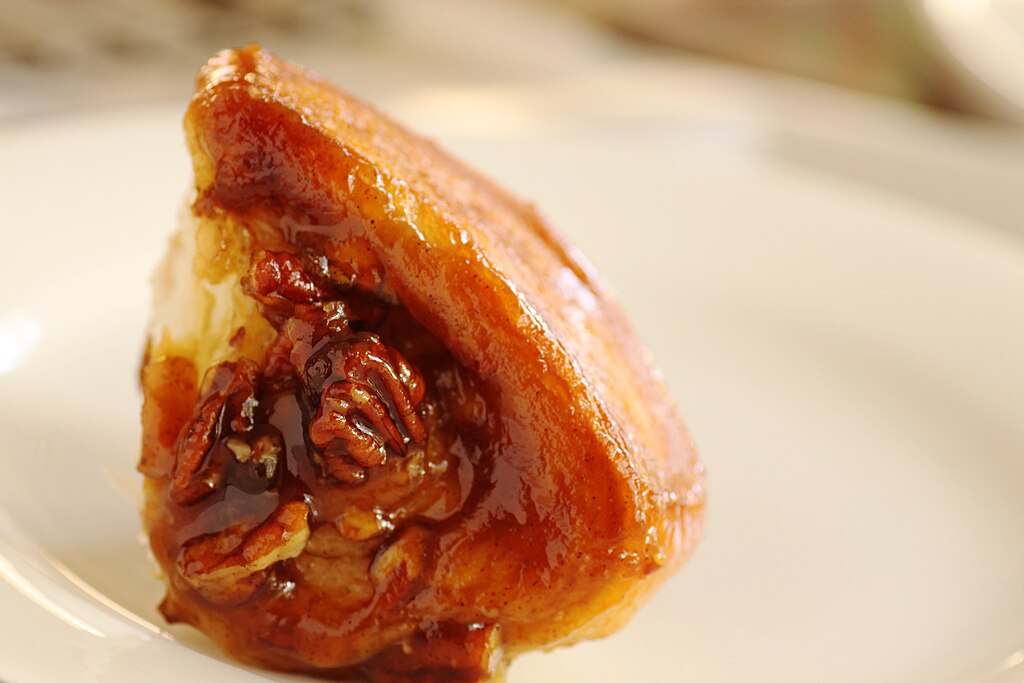
  • Bake into pies, cookies, cakes, and quick breads.

  • Candy with maple syrup, honey, or brown sugar.

  • Blend into nut butter.

  • Press for rich pecan oil where available.


Wood

  • Smoke meats, fish, and vegetables.

  • Use for grilling and barbecue.

  • Craft furniture, flooring, tool handles, and bowls.

  • Burn as excellent firewood.


Tip: Pecans have a high oil content, which makes them delicious but also prone to going rancid. Store shelled nuts in the freezer for the best long-term flavor.


Use It Like This


Nuts

  • Eat fresh after drying or curing.

  • Toast for snacks, salads, and grain bowls.

  • Bake into pies, cookies, cakes, and quick breads.

  • Candy with maple syrup, honey, or brown sugar.

  • Blend into nut butter.

  • Press for rich pecan oil where available.


Wood

  • Smoke meats, fish, and vegetables.

  • Use for grilling and barbecue.

  • Craft furniture, flooring, tool handles, and bowls.

  • Burn as excellent firewood.


Tip: Pecans have a high oil content, which makes them delicious but also prone to going rancid. Store shelled nuts in the freezer for the best long-term flavor.

Harvest Notes

  • Harvest nuts in fall after husks begin to split and nuts drop naturally.

  • Gather frequently so nuts do not sit too long in damp grass.

  • Dry or cure nuts in a single layer with good airflow before storing.

  • Crack only after the nuts have dried properly.

  • Watch for mold, insect damage, or shriveled kernels.

  • Leave plenty for wildlife, especially in wild groves.


Seasonal Tip: Windy autumn days are pecan-hunting days. After a good storm, check beneath mature trees for freshly dropped nuts before the squirrels organize a full takeover.


Did You Know?


Pecans are the only major commercially grown tree nut native to North America. Long before they became a pie filling, Indigenous peoples gathered and traded pecans along river systems, and the tree’s natural range closely follows the great waterways of the central and southern United States.


Ancient Roots


Pecan has deep roots in the river cultures of North America. Indigenous peoples harvested wild pecans for food, pressed their rich oils, and traded the nuts across regional networks. Because pecans store well when dried, they became an important seasonal food in areas where the trees grew naturally.


Spanish and French colonists encountered pecans through Indigenous foodways, and over time the tree became one of the defining flavors of the American South. Today, pecan orchards stretch far beyond the tree’s original river-bottom range, but wild pecans still carry the older story of floodplains, fall harvests, and food shared along the water.


Wild Pantry Snapshot


Pecan is sweetness with deep roots. It feeds wildlife, anchors river-bottom ecosystems, flavors holiday tables, and reminds us that some of North America’s finest foods were already here long before they became famous. A good pecan tree is not just a harvest. It is a yearly invitation.

Students identifying and sorting edible wild plants as part of a foraging certification course.
Fresh wild greens and berries in a wooden bowl, representing the hands-on results of Foraging Academy’s certification classes.
Group of students processing acorns together during a foraging class, representing shared learning and scholarship.