Plant ID Pages
Plant ID Pages
Plant ID Pages

Pawpaw (Asimina triloba)
Custard of the forest. Sweet, wild, and deeply native.
What It Is
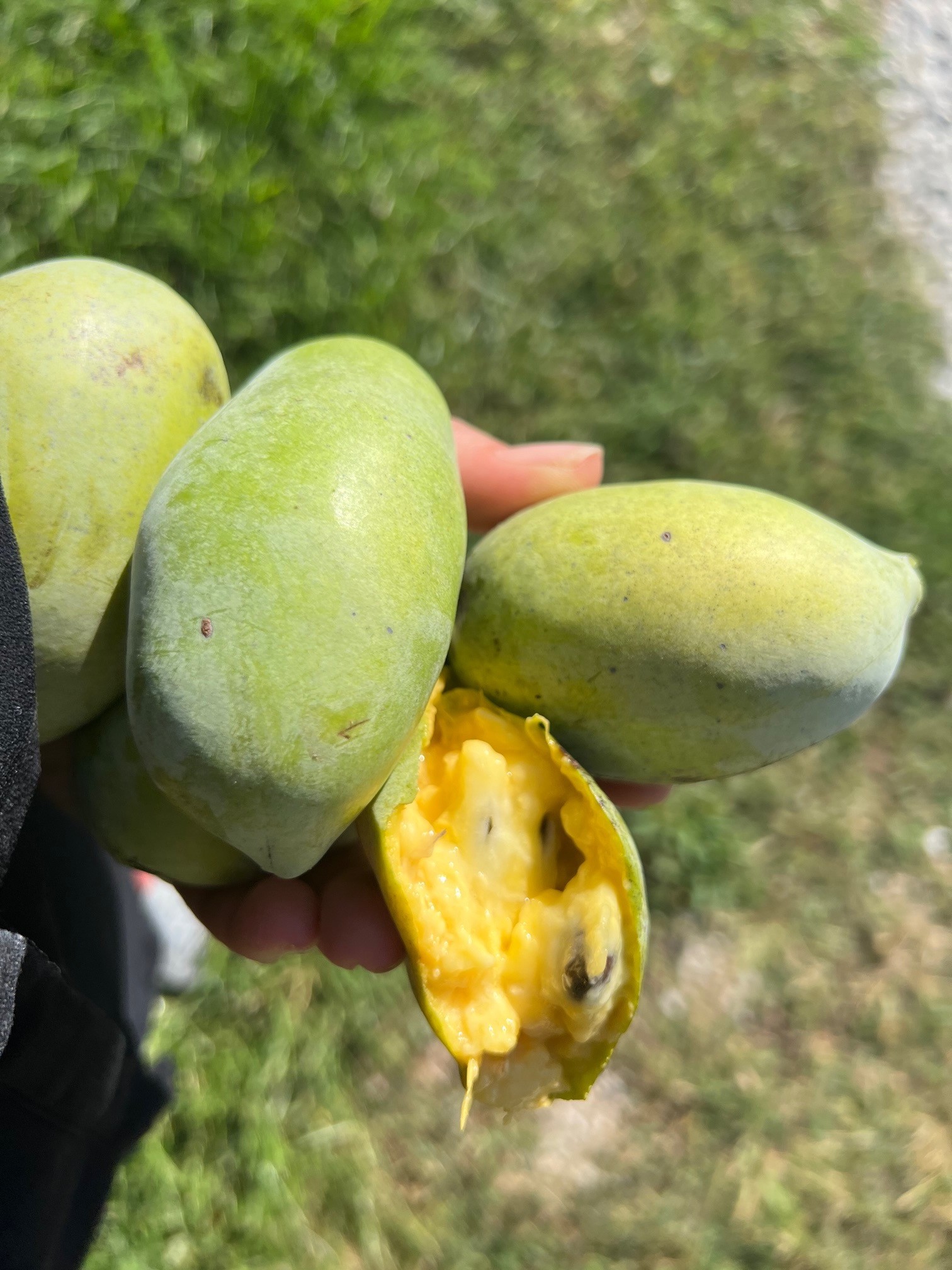
Pawpaw is North America's largest native tree fruit, hiding beneath the shady canopy of creek bottoms, rich woodlands, and river valleys throughout the eastern United States. Its soft, custard-like flesh tastes remarkably tropical, with flavors often compared to banana, mango, pineapple, and vanilla.
Despite its exotic flavor, pawpaw is thoroughly American. Long before grocery stores, Indigenous peoples gathered the fruit each autumn, and early settlers eagerly adopted it. Today, it's enjoying a well-deserved revival among chefs, orchardists, and foragers alike.
Pawpaw trees often spread by root suckers, forming small colonies that can produce dozens of fruits each fall.
Field ID Quick Tip
Pawpaw is easy to recognize once you know its unusual leaves and fruit.
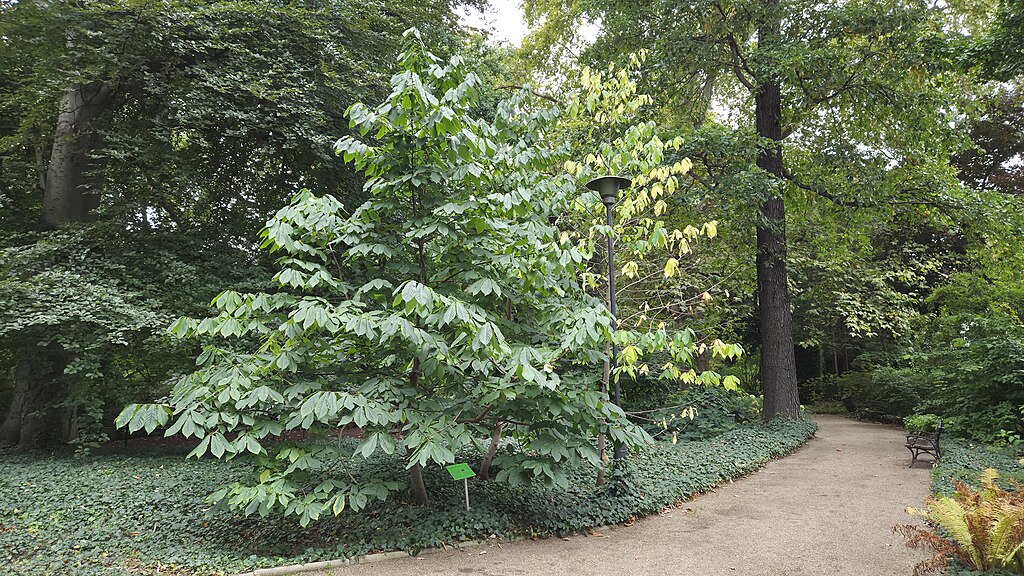
Small understory tree, usually 15 to 30 feet tall.
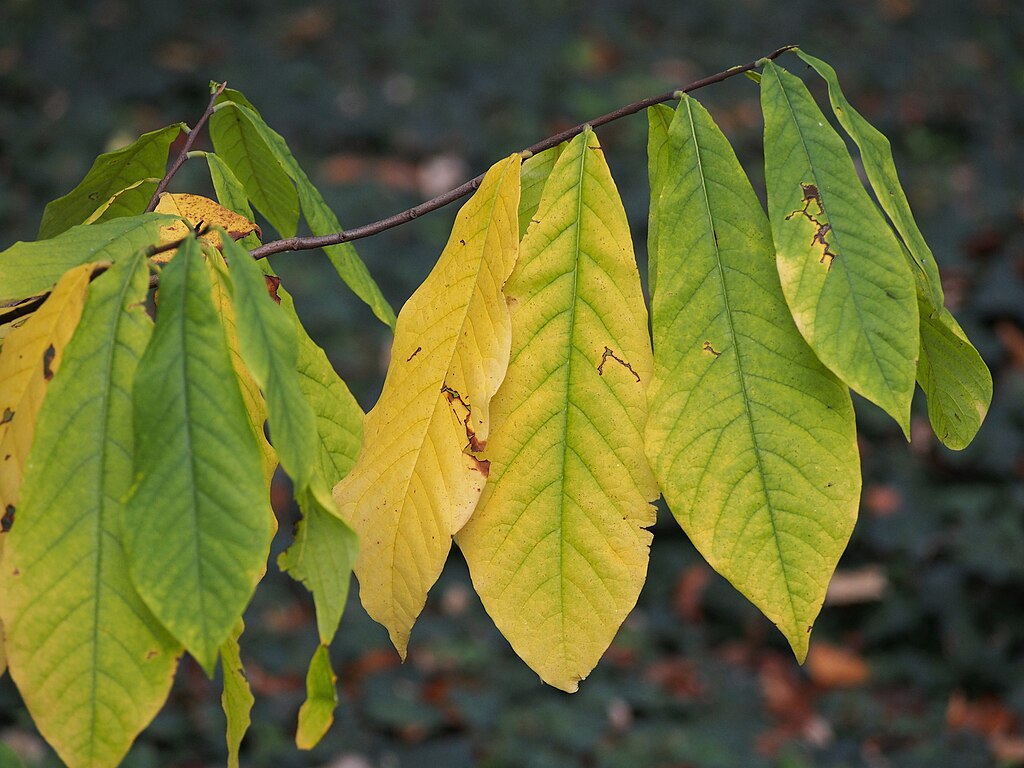
Large, drooping, tropical-looking leaves up to 12 inches long.
Leaves give off a distinctive odor when crushed.
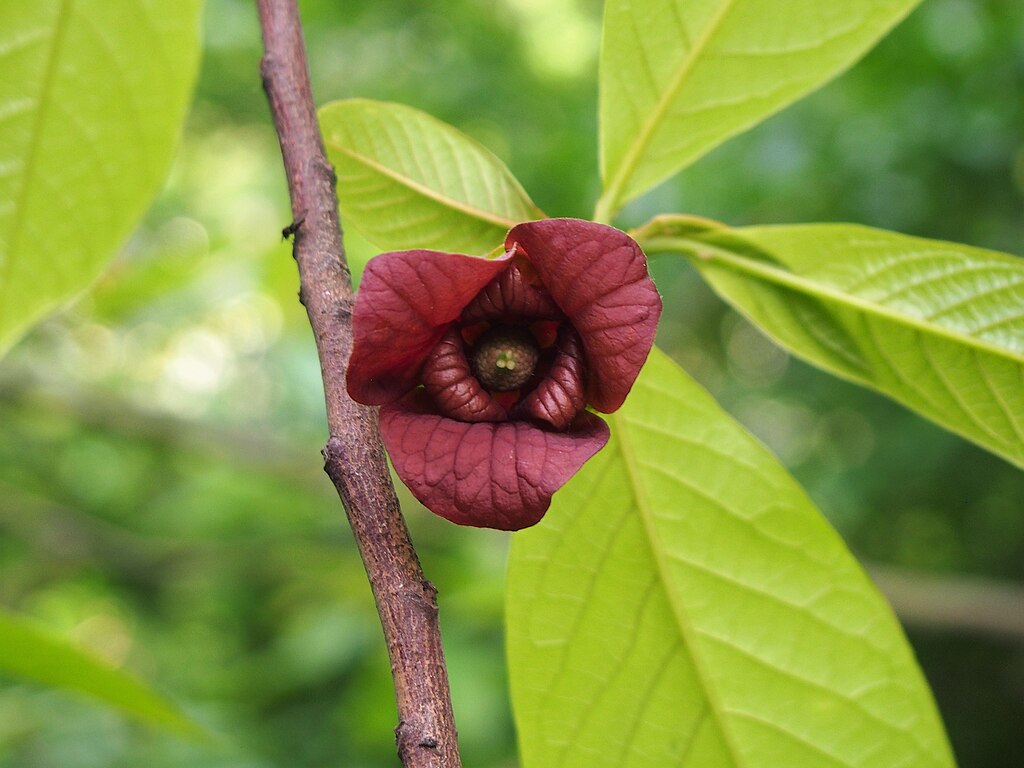
Maroon, six-petaled flowers appear before the leaves fully emerge in spring.
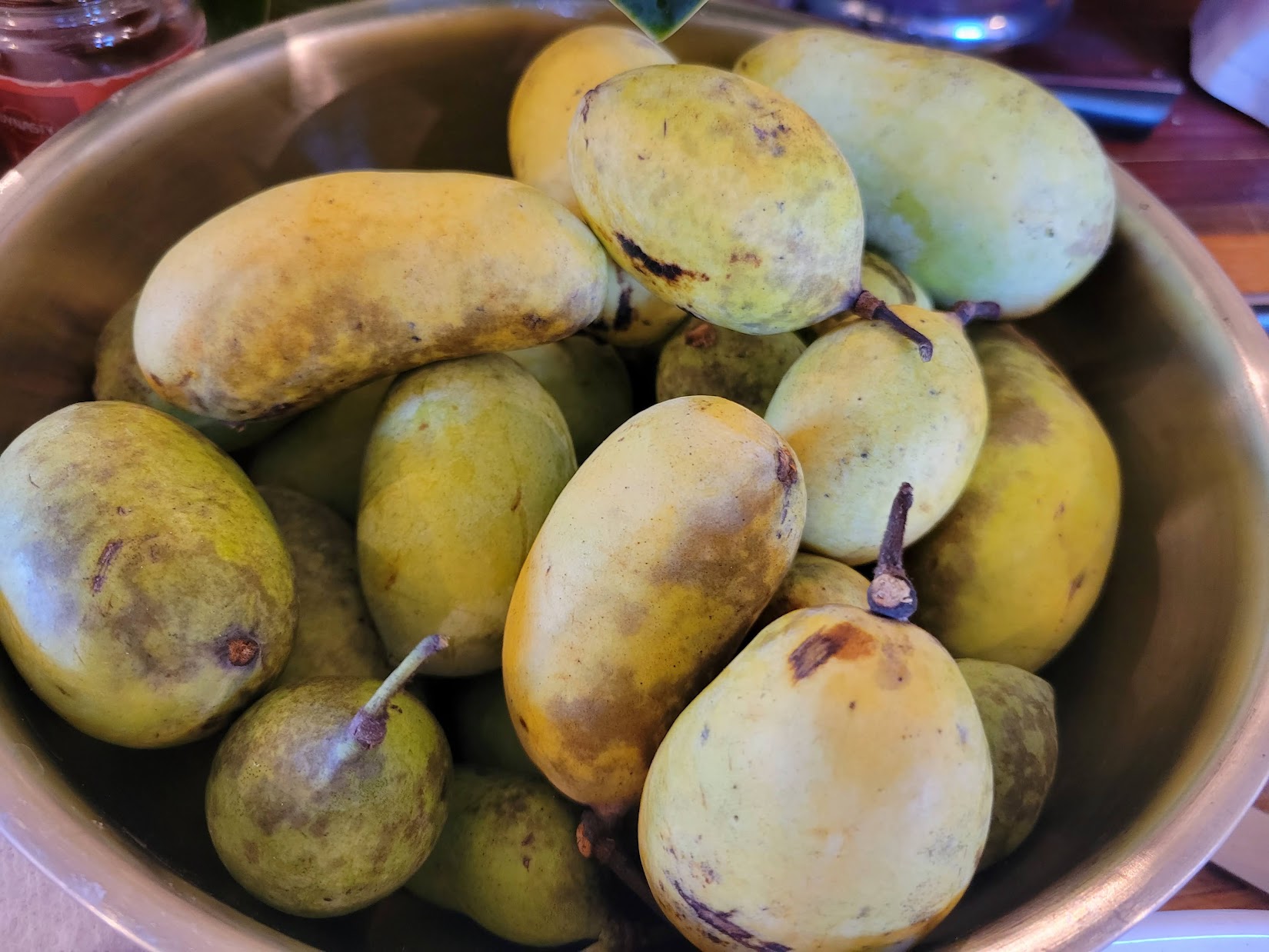
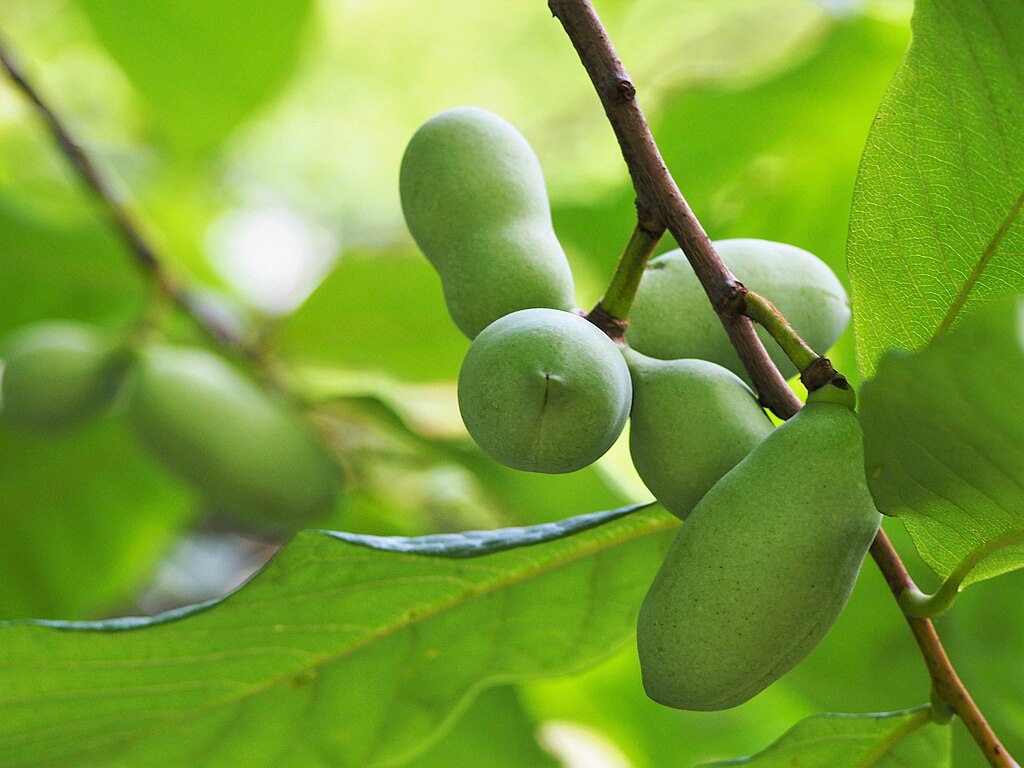
Green fruits grow in clusters and ripen to yellow or brown in late summer and fall.
Look-Alikes
Persimmon (Diospyros virginiana)
Smaller oval leaves.
Bright orange fruits rather than green, mango-shaped fruits.
Blocky bark resembling alligator hide.
Blackgum (Nyssa sylvatica)
Similar leaf shape.
Small blue-black fruits instead of large clustered fruits.
Brilliant red fall color.
Tip: The oversized, drooping leaves give pawpaw a tropical appearance unlike almost any other woodland tree. Once you've seen a patch, it becomes surprisingly easy to recognize.
Custard of the forest. Sweet, wild, and deeply native.
What It Is
Pawpaw is North America's largest native tree fruit, hiding beneath the shady canopy of creek bottoms, rich woodlands, and river valleys throughout the eastern United States. Its soft, custard-like flesh tastes remarkably tropical, with flavors often compared to banana, mango, pineapple, and vanilla.
Despite its exotic flavor, pawpaw is thoroughly American. Long before grocery stores, Indigenous peoples gathered the fruit each autumn, and early settlers eagerly adopted it. Today, it's enjoying a well-deserved revival among chefs, orchardists, and foragers alike.
Pawpaw trees often spread by root suckers, forming small colonies that can produce dozens of fruits each fall.
Field ID Quick Tip
Pawpaw is easy to recognize once you know its unusual leaves and fruit.
Small understory tree, usually 15 to 30 feet tall.
Large, drooping, tropical-looking leaves up to 12 inches long.
Leaves give off a distinctive odor when crushed.
Maroon, six-petaled flowers appear before the leaves fully emerge in spring.
Green fruits grow in clusters and ripen to yellow or brown in late summer and fall.
Look-Alikes
Persimmon (Diospyros virginiana)
Smaller oval leaves.
Bright orange fruits rather than green, mango-shaped fruits.
Blocky bark resembling alligator hide.
Blackgum (Nyssa sylvatica)
Similar leaf shape.
Small blue-black fruits instead of large clustered fruits.
Brilliant red fall color.
Tip: The oversized, drooping leaves give pawpaw a tropical appearance unlike almost any other woodland tree. Once you've seen a patch, it becomes surprisingly easy to recognize.
Use It Like This
Fresh Fruit
Eat ripe with a spoon right from the skin.
Blend into smoothies and milkshakes.
Add to fruit salads.
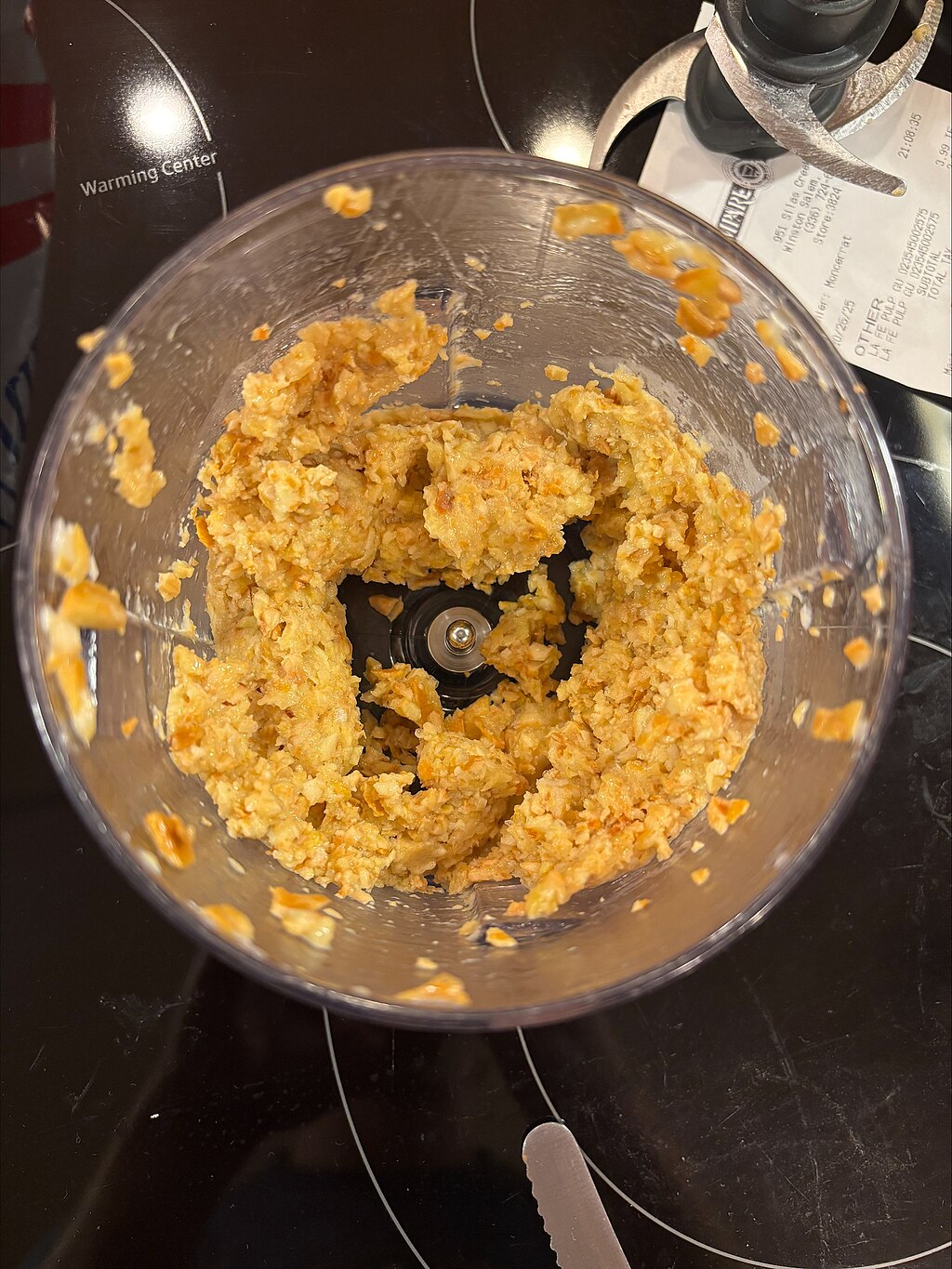
Freeze the pulp for year-round use.
Baking
Stir into muffins, quick breads, and pancakes.
Make puddings, custards, and cheesecakes.
Bake into pies and cobblers.
Churn into homemade ice cream.
Preserves
Make jam, fruit butter, or syrup.
Ferment into wine or mead.
Freeze pulp in measured portions for recipes.
Seeds
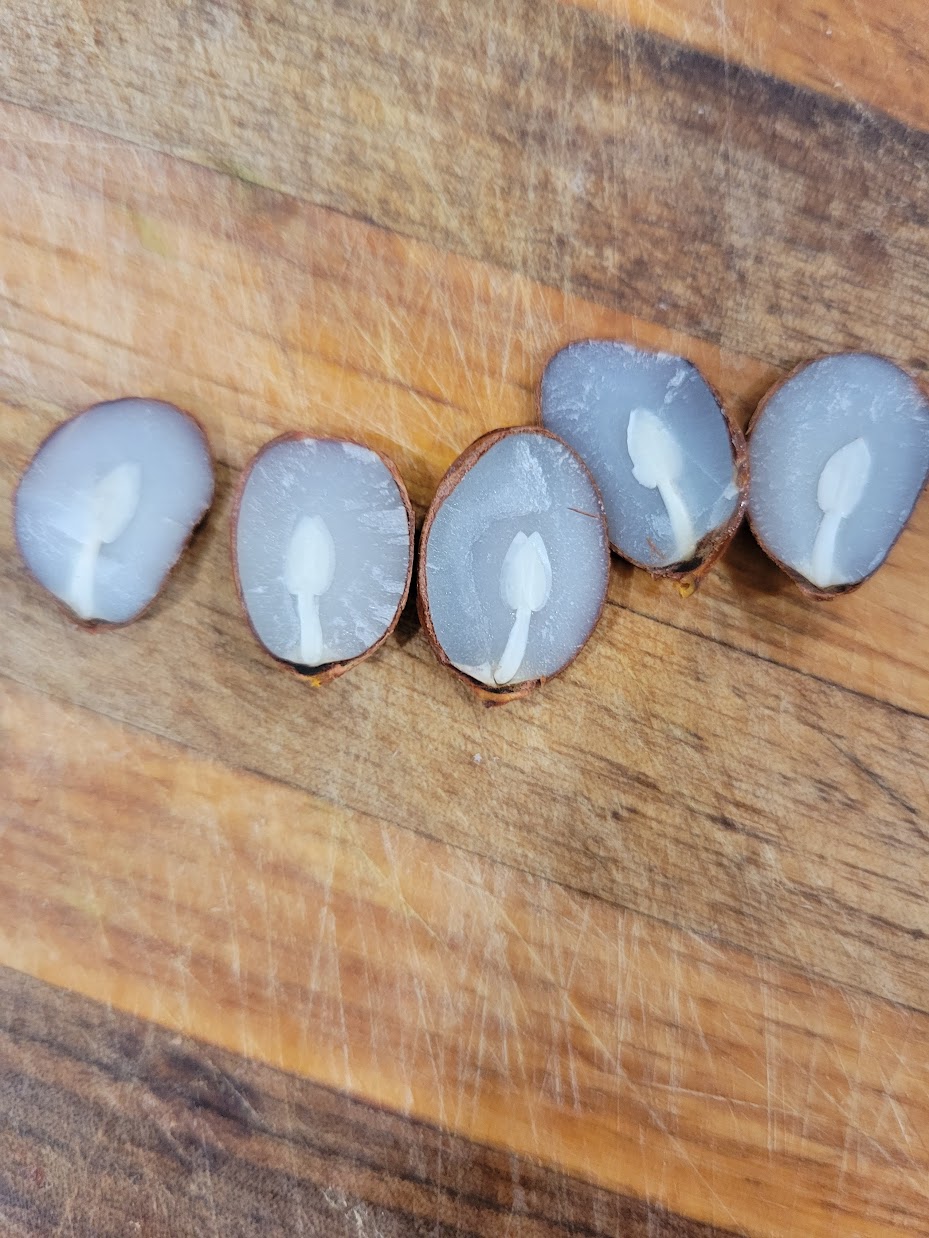
Remove before eating.
Save for planting if kept moist and fresh.
Tip: Pawpaws continue ripening after harvest but bruise easily. Handle them gently and enjoy them within a few days or freeze the pulp for later.
Harvest Notes
Harvest when fruits soften slightly and develop a fruity aroma.
Ripe fruits often fall naturally from the tree.
Collect gently to avoid bruising.
Refrigerate ripe fruit and use within a few days.
Freeze pulp for long-term storage.
Leave some fruit behind for wildlife and natural regeneration.
Seasonal Tip: Visit your favorite pawpaw patch every few days during harvest season. Fruits rarely ripen all at once, and today's hard fruit may be perfect by the weekend.
Did You Know?
Pawpaw is the exclusive host plant for the beautiful zebra swallowtail butterfly. The caterpillars feed only on pawpaw leaves, storing natural compounds from the plant that make them distasteful to predators. Every healthy pawpaw patch helps support the next generation of these striking butterflies.
Ancient Roots
Pawpaw belongs to the custard apple family (Annonaceae), a tropical plant family that stretches back to some of the earliest flowering plants on Earth. While most of its relatives grow in warm tropical climates, pawpaw adapted to survive North America's changing seasons, making it the northernmost member of its family.
For thousands of years, Indigenous peoples gathered pawpaws each autumn, carrying seeds and spreading the trees throughout river valleys and forests. Early explorers, including members of the Lewis and Clark Expedition, relied on pawpaws when other food supplies ran short, cementing the fruit's place in American history.
Wild Pantry Snapshot
Pawpaw feels like nature's magic trick. Hidden beneath the forest canopy is a fruit that tastes like the tropics yet has been growing wild in North America for thousands of years. Once you find a productive patch, autumn will never be quite the same.
Harvest Notes
Fruits ripen from late summer into early fall.
Look for yellowing, soft fruit on trees or on the ground.
Seeds and underripe fruit are not edible.
Search in shaded creek beds and moist woodland edges.
Storage & Preservation
Fresh pawpaws keep only a few days at room temperature.
Refrigerated fruit may last up to a week if handled gently.
Scoop and freeze pulp immediately to preserve flavor — it keeps well for smoothies, baking, or ice cream.
Cultural Snapshot
Pawpaw has a deep Indigenous history and remains a beloved seasonal fruit in regions like the Ozarks and Appalachia. For many, it’s a taste of childhood summers — fleeting, rich, and worth the chase.