Tree candy in June. Leaves for silkworms, fruit for just about everyone else.
What It Is
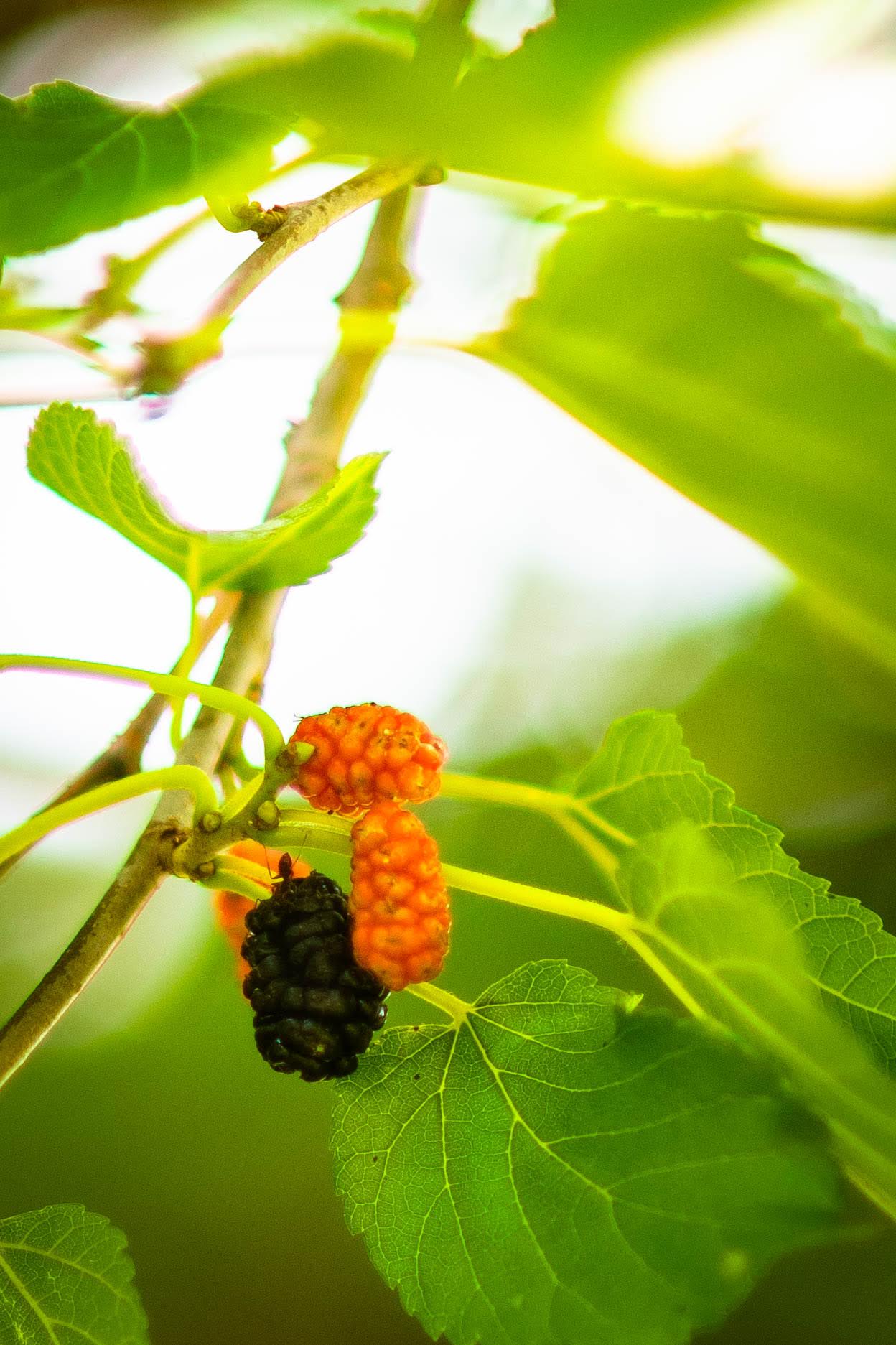
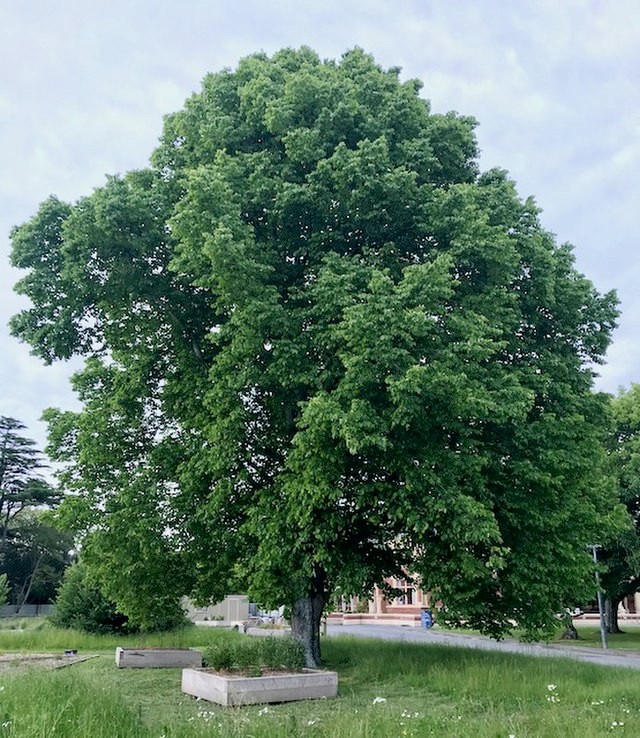
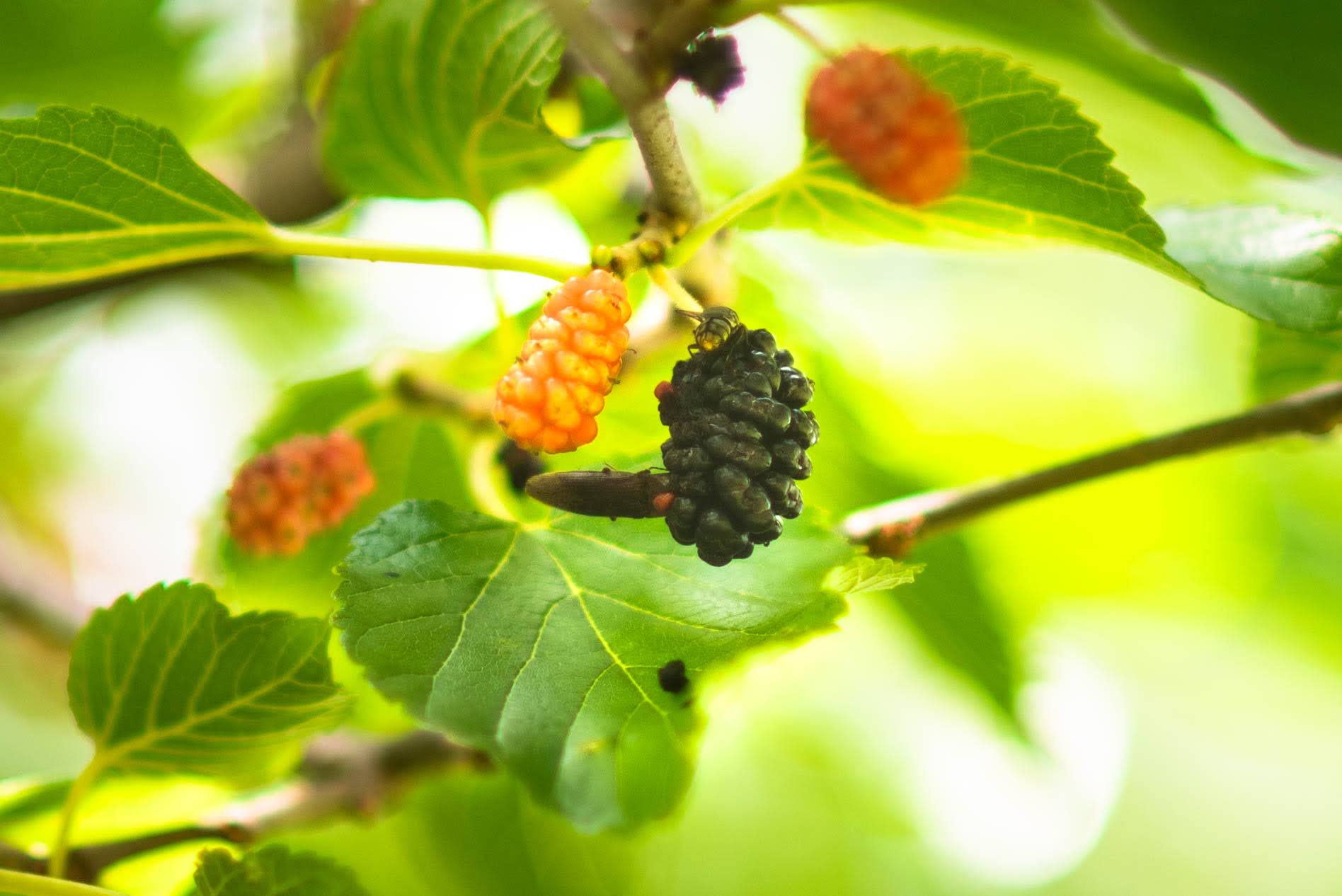
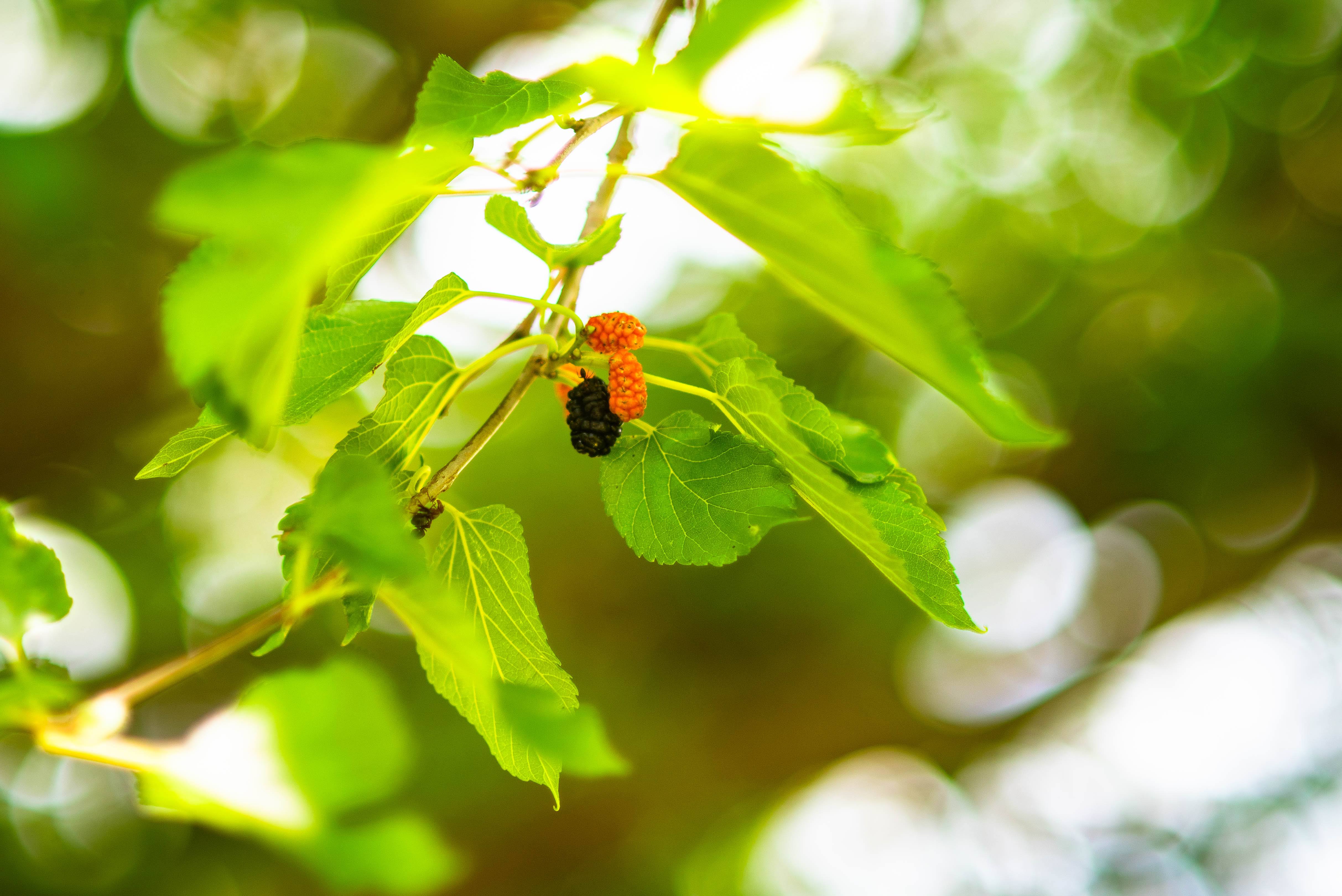
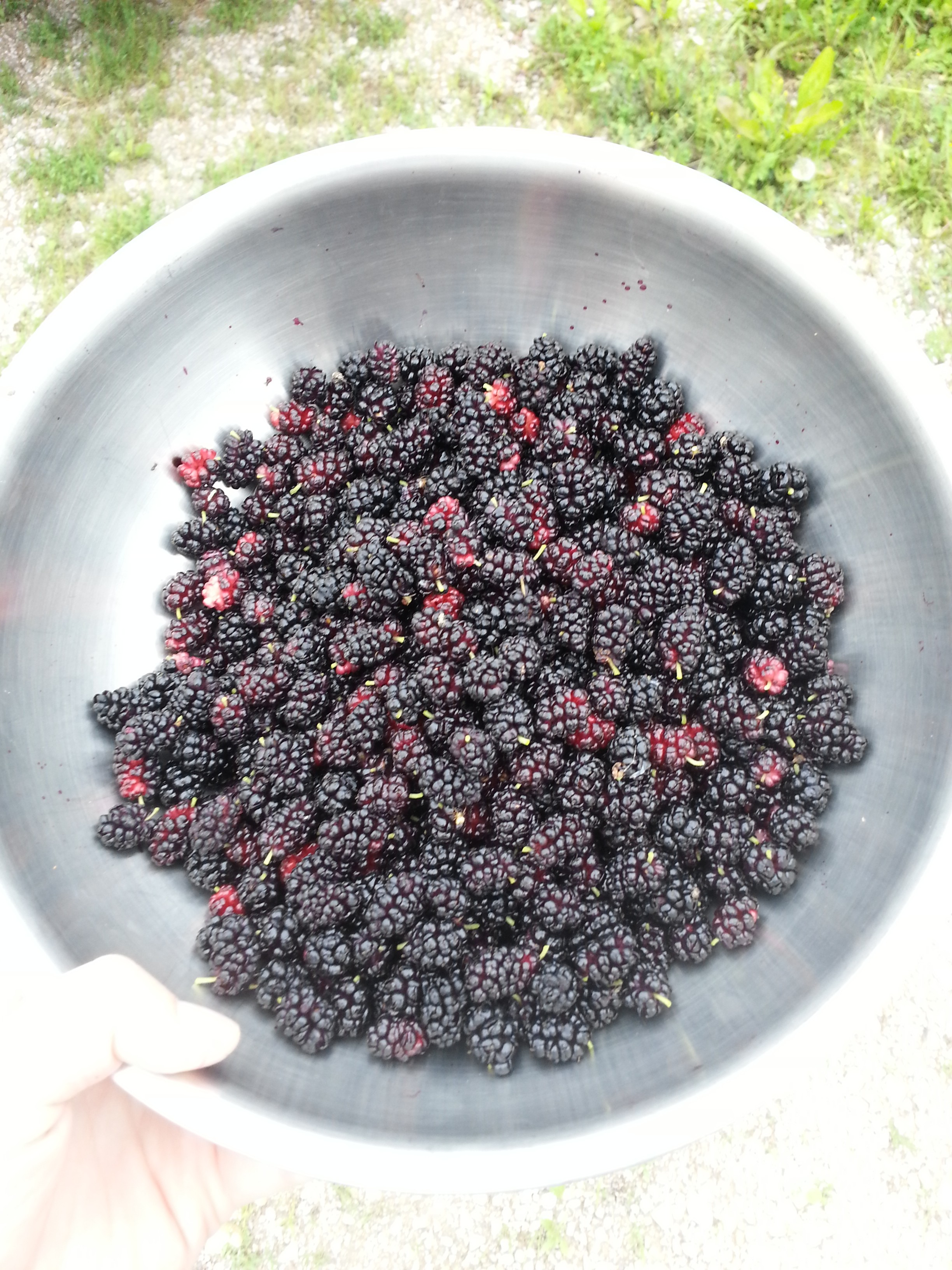
Mulberries are fast-growing trees found along woodland edges, fence rows, creek bottoms, old homesteads, vacant lots, and city alleys throughout much of North America. Depending on the species, their berries ripen from white to pink, red, dark purple, or nearly black, becoming one of the sweetest wild fruits of early summer.
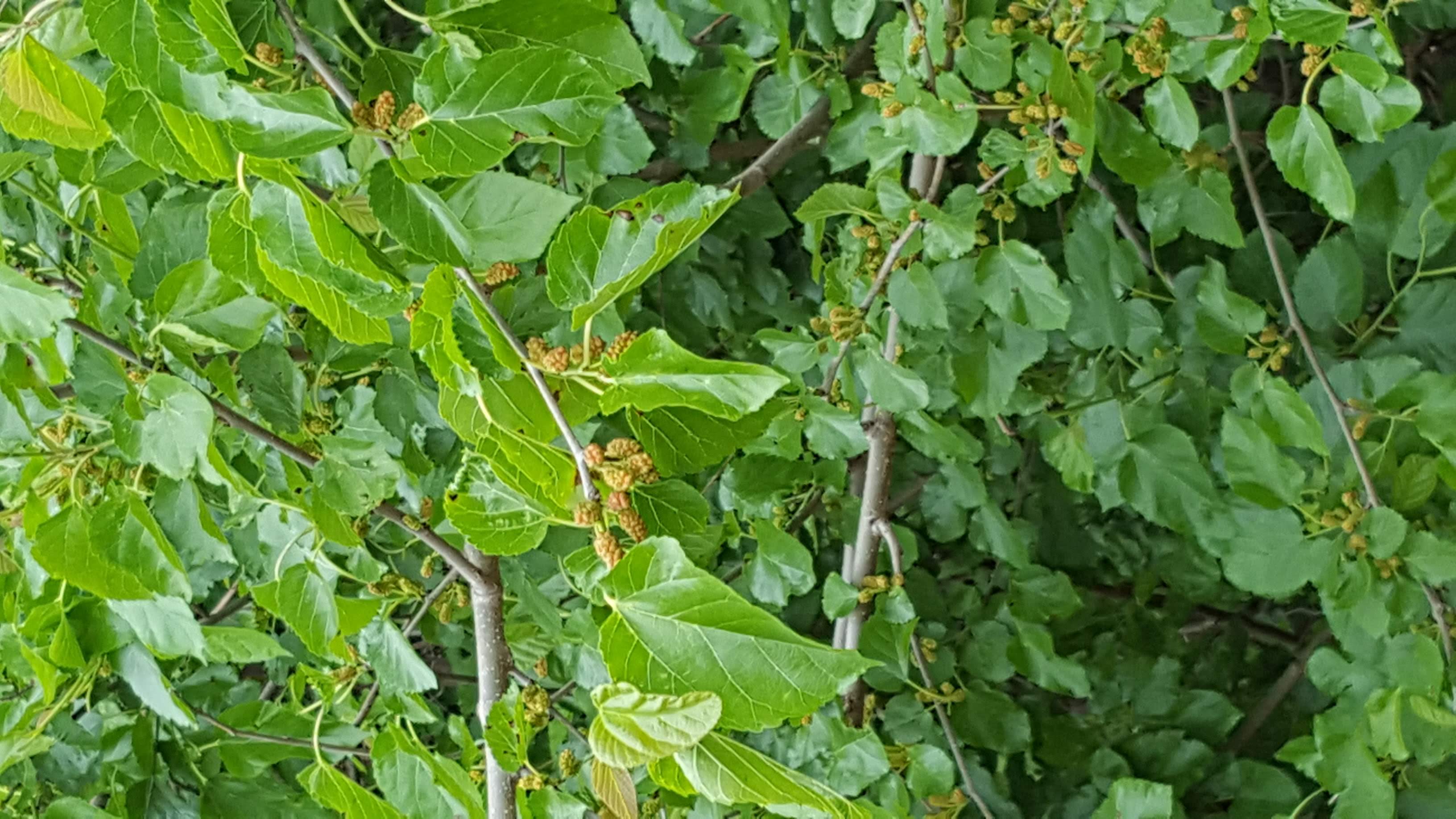
One of the easiest ways to recognize a mulberry is by its unpredictable leaves. A single tree may have unlobed, mitten-shaped, and deeply lobed leaves growing side by side. While this surprises beginners, it's actually one of the tree's most distinctive features.
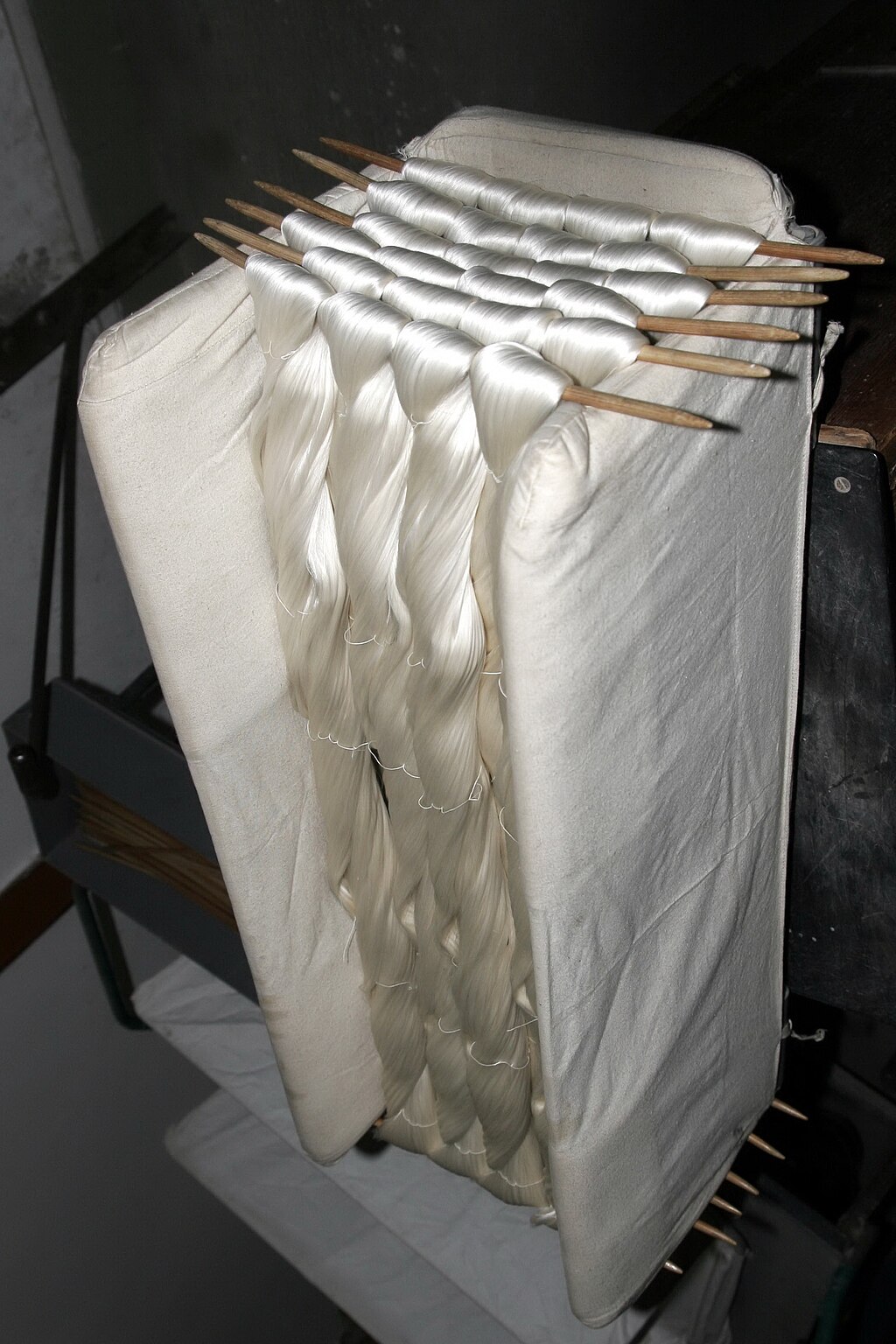
For centuries, mulberries have been valued not only for their delicious fruit, but also because their leaves are the primary food source for silkworms, making them one of humanity's oldest cultivated trees.
Field ID Quick Tip
Mulberries can look confusing until you learn a few key characteristics.
Medium-sized deciduous tree with milky white sap in broken stems or leaf stalks.
Simple leaves that may be smooth-edged, mitten-shaped, or deeply lobed on the same tree.
Rough, sandpaper-like upper leaf surface on many trees.
Blackberry-like fruits that ripen from green to their mature color.
Sweet berries that detach easily when fully ripe.
Look-Alikes
Paper Mulberry (Broussonetia papyrifera)
Similar leaf shape, often deeply lobed.
Round, fuzzy orange-red fruits instead of elongated berries.
Leaves noticeably fuzzy underneath.
Introduced ornamental that spreads aggressively in some regions.
Osage Orange (Maclura pomifera)
Also belongs to the mulberry family.
Large, wrinkled "hedge apples" instead of berries.
Thorny branches.
Thick, glossy leaves with no lobing on mature growth.
Tip:If it looks like a blackberry growing on a tree and leaks milky sap when a leaf stem is broken, you're probably looking at a mulberry.
Tree candy in June. Leaves for silkworms, fruit for just about everyone else.
What It Is
Mulberries are fast-growing trees found along woodland edges, fence rows, creek bottoms, old homesteads, vacant lots, and city alleys throughout much of North America. Depending on the species, their berries ripen from white to pink, red, dark purple, or nearly black, becoming one of the sweetest wild fruits of early summer.
One of the easiest ways to recognize a mulberry is by its unpredictable leaves. A single tree may have unlobed, mitten-shaped, and deeply lobed leaves growing side by side. While this surprises beginners, it's actually one of the tree's most distinctive features.
For centuries, mulberries have been valued not only for their delicious fruit, but also because their leaves are the primary food source for silkworms, making them one of humanity's oldest cultivated trees.
Field ID Quick Tip
Mulberries can look confusing until you learn a few key characteristics.
Medium-sized deciduous tree with milky white sap in broken stems or leaf stalks.
Simple leaves that may be smooth-edged, mitten-shaped, or deeply lobed on the same tree.
Rough, sandpaper-like upper leaf surface on many trees.
Blackberry-like fruits that ripen from green to their mature color.
Sweet berries that detach easily when fully ripe.
Look-Alikes
Paper Mulberry (Broussonetia papyrifera)
Similar leaf shape, often deeply lobed.
Round, fuzzy orange-red fruits instead of elongated berries.
Leaves noticeably fuzzy underneath.
Introduced ornamental that spreads aggressively in some regions.
Osage Orange (Maclura pomifera)
Also belongs to the mulberry family.
Large, wrinkled "hedge apples" instead of berries.
Thorny branches.
Thick, glossy leaves with no lobing on mature growth.
Tip:If it looks like a blackberry growing on a tree and leaks milky sap when a leaf stem is broken, you're probably looking at a mulberry.
Use It Like This
Fresh Berries
Eat fresh right off the tree.
Sprinkle over yogurt, oatmeal, or cereal.
Add to fruit salads.
Freeze for smoothies and baking.
Preserves
Make jams, jellies, syrups, and fruit leather.
Bake into pies, muffins, cobblers, and crisps.
Ferment into wine, mead, or shrubs.
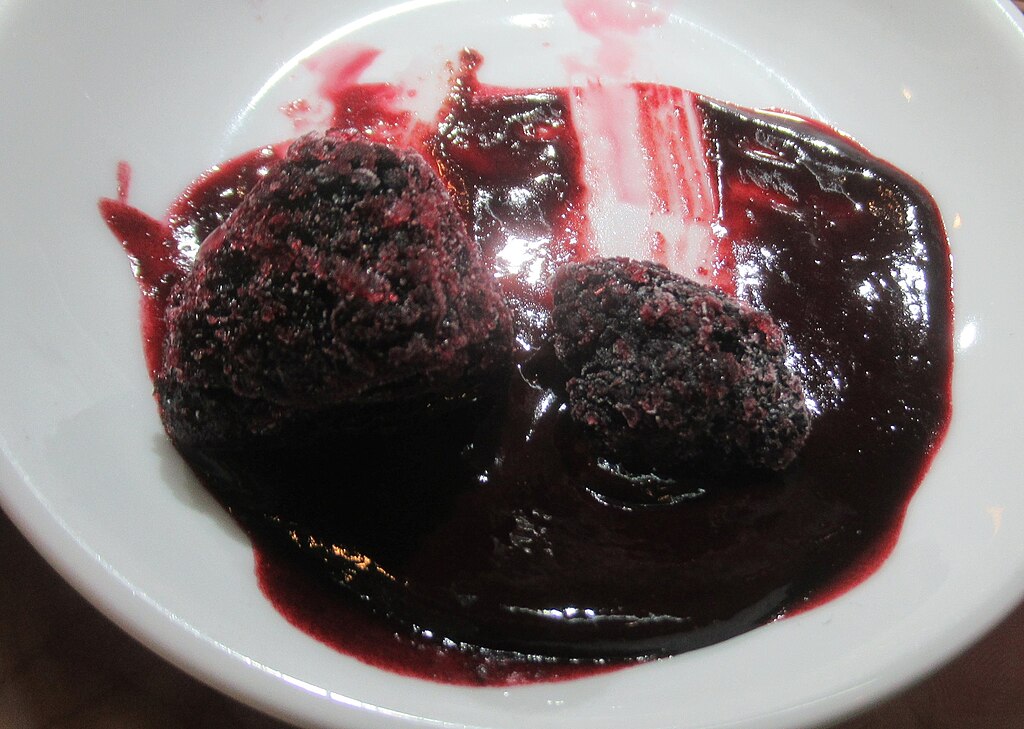
Simmer into homemade sauces for desserts.
Leaves
Dry for tea.
Steam young leaves as a cooked green.
Wrap foods for steaming in some traditional cuisines.
Feed to silkworms if you're interested in raising them.
Wood
Excellent for woodworking projects and tool handles.
Burns as a quality firewood.
Traditionally used for fence posts because of its natural durability.
Tip:Lay an old sheet beneath the branches and gently shake the tree. Fully ripe berries rain down with almost no effort.
Harvest Notes
Harvest berries when they're fully colored and release easily from the stem.
Shake branches over a clean sheet or tarp for quick collection.
Pick frequently, as berries ripen over several weeks.
Expect stained hands, clothing, and shoes from dark-fruited varieties.
Refrigerate or process berries soon after harvest because they spoil quickly.
Leave plenty of fruit for birds and other wildlife.
Seasonal Tip:Visit the same tree every few days during the harvest season. Mulberries rarely ripen all at once, rewarding repeat visits with fresh fruit.
Did You Know?
Silkworms feed almost exclusively on mulberry leaves. For thousands of years, entire civilizations depended on mulberry trees to produce the silk that transformed trade, fashion, and history along the famous Silk Road.
Ancient Roots
Mulberries have been cultivated for thousands of years across Asia, Europe, and the Middle East. White mulberry (Morus alba) was introduced around the world to support silk production, while North America's native red mulberry (Morus rubra) had already been feeding wildlife and Indigenous communities long before European settlement.
Today, mulberries continue to blur the line between orchard and wild food. Whether growing beside an abandoned farmhouse or volunteering in a city alley, they remain one of the most generous fruit trees a forager can find.
Wild Pantry Snapshot
Mulberry is summer generosity in tree form. Its sweet berries disappear by the handful, its leaves have fed silkworms for millennia, and its branches often bend under more fruit than any family can gather. Find one productive tree, and you'll likely return every June for the rest of your life.