Plant ID Pages
Plant ID Pages
Plant ID Pages
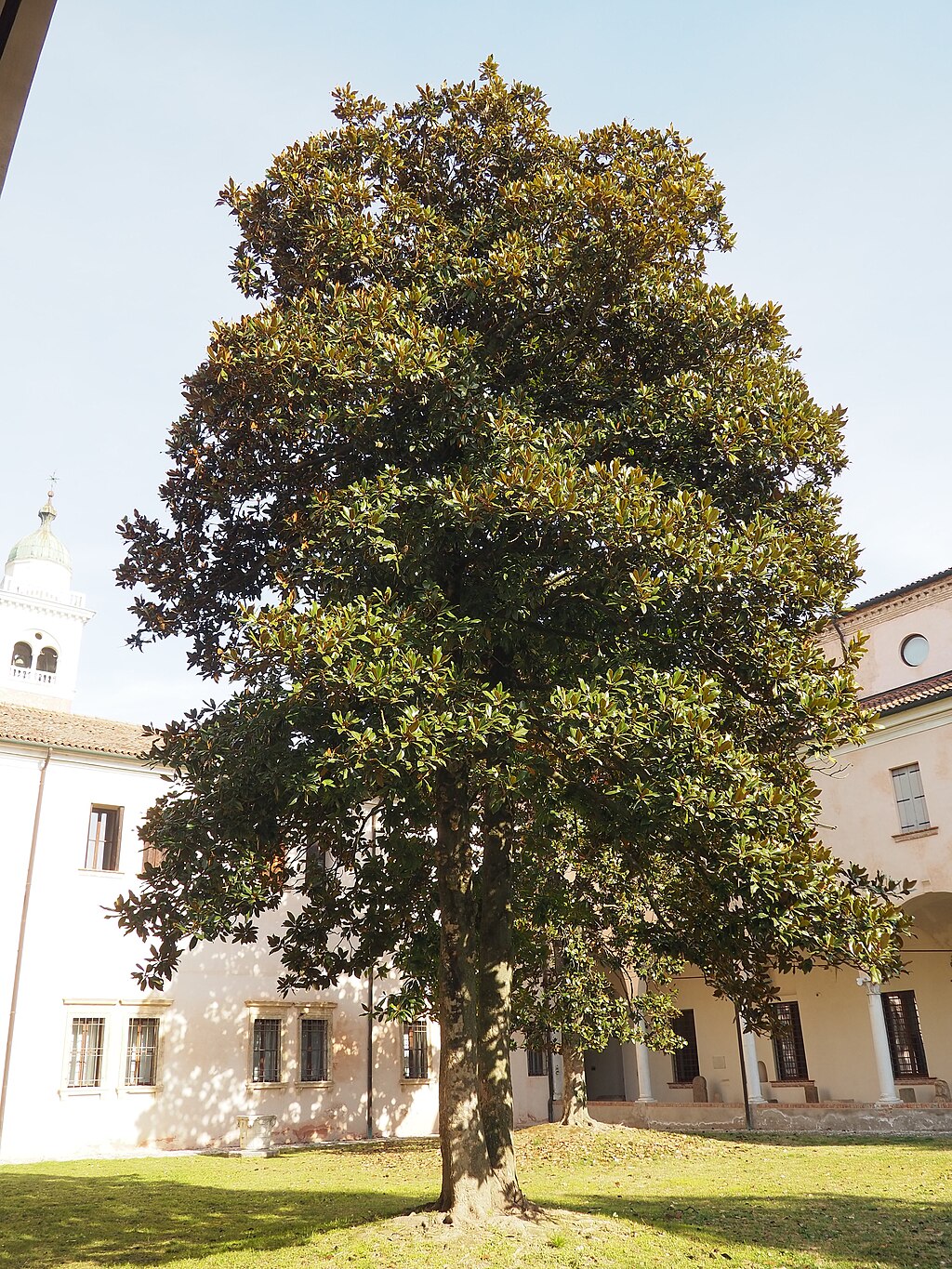
Magnolia (Magnolia spp.)
Older than bees. Beautiful in bloom. Surprisingly delicious.
What It Is
Magnolias are among the oldest flowering trees on Earth, gracing forests and landscapes with enormous fragrant blossoms each spring. Native species grow throughout eastern North America, while many Asian magnolias have become beloved ornamentals in parks, neighborhoods, and old homesteads.
Their large flowers, glossy leaves, and colorful seed cones make them easy to recognize. While most people admire magnolias for their beauty, foragers know another secret. The flower petals have a bright, citrusy, ginger-like flavor that transforms into exceptional pickles, preserves, and seasonings.
Field ID Quick Tip
Magnolias are difficult to mistake once you know their signature features.
Large trees or shrubs with smooth gray bark.
Thick, glossy leaves that are often leathery.
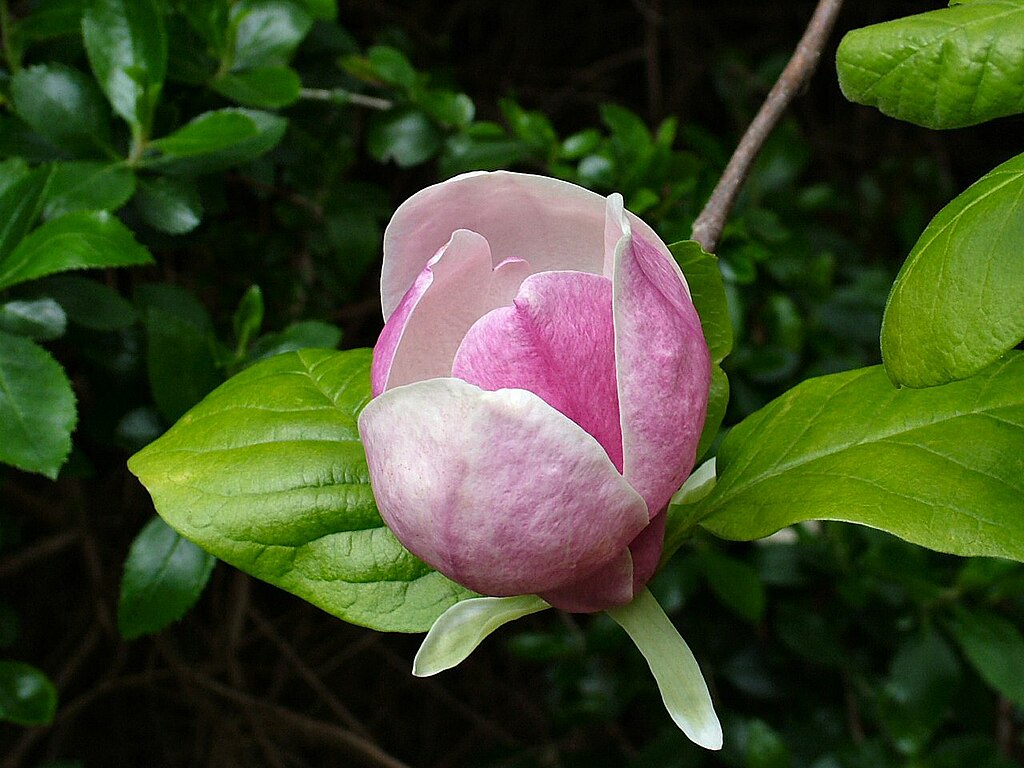
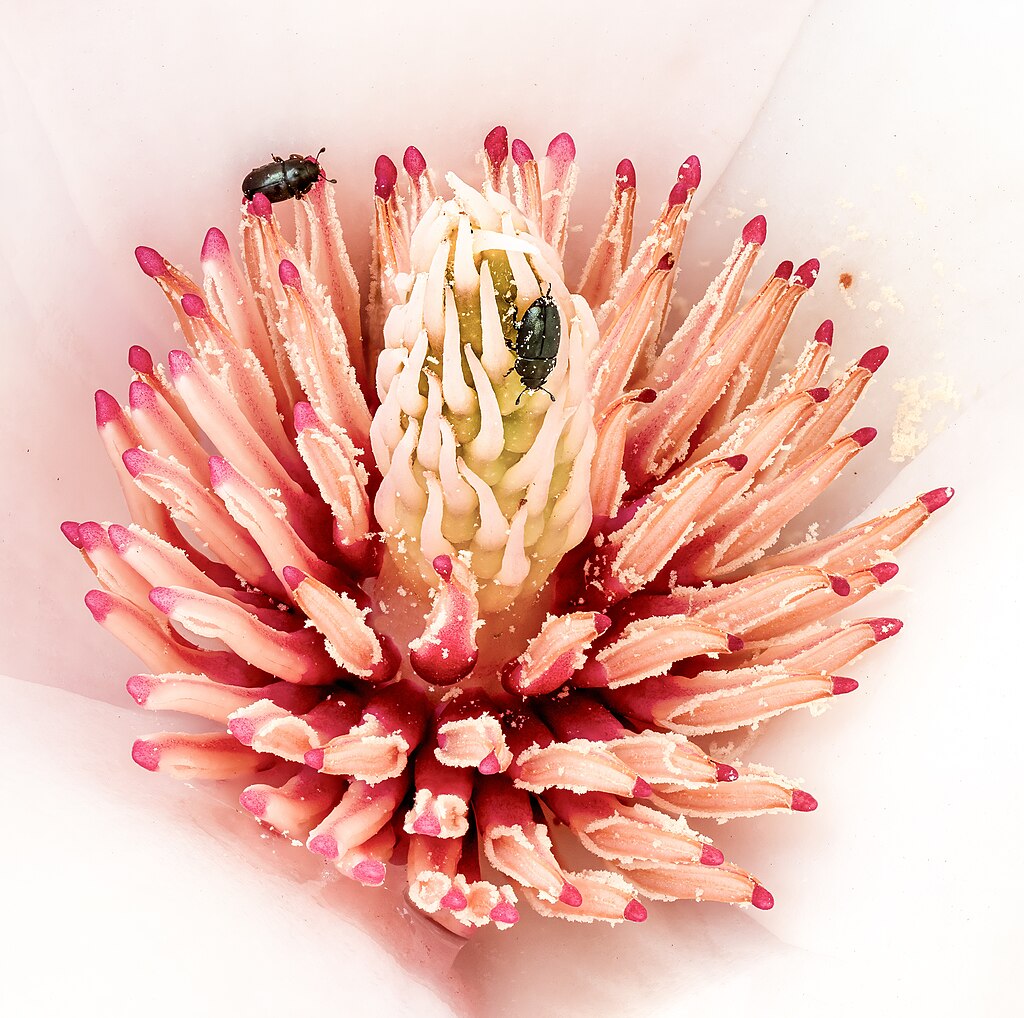
Huge fragrant flowers with broad, waxy petals.
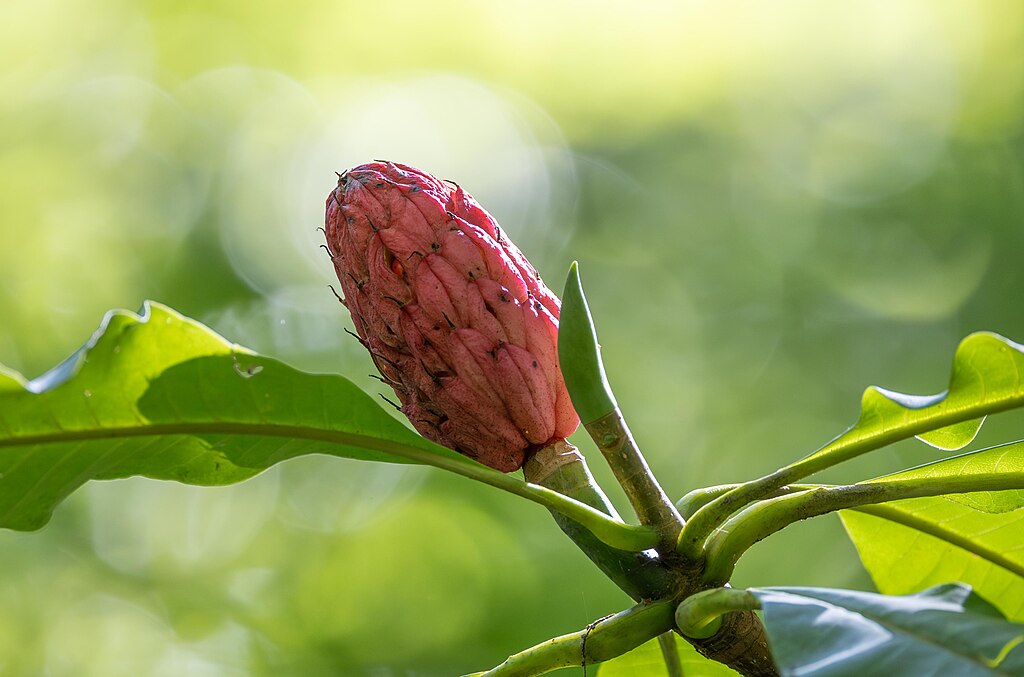
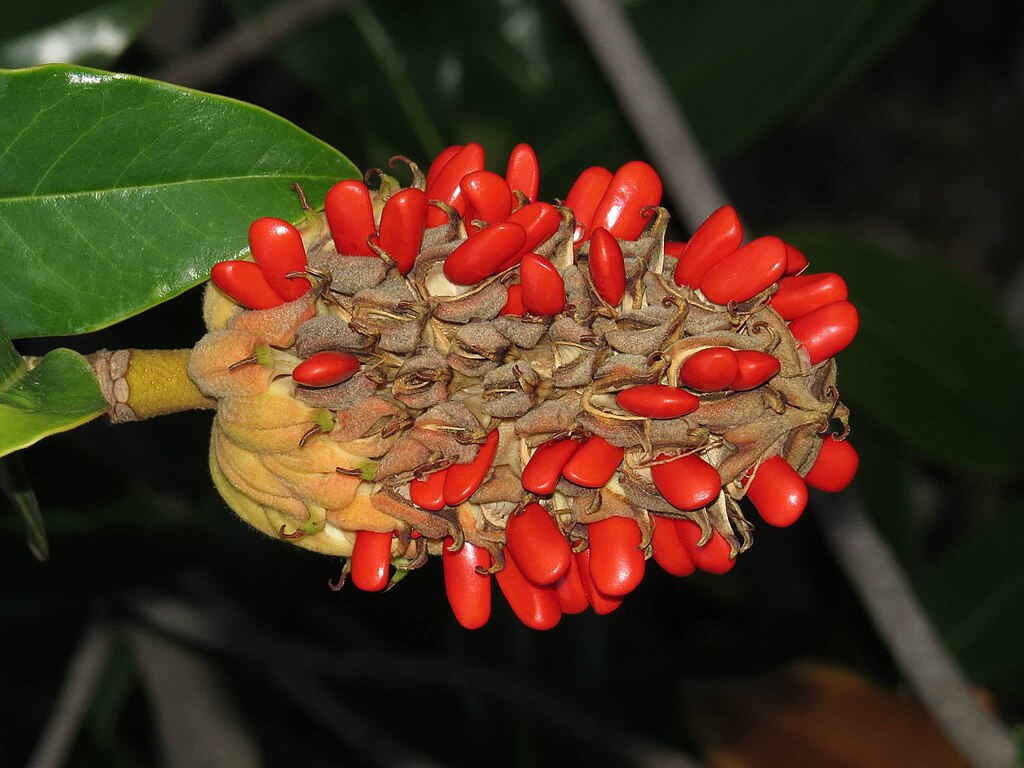
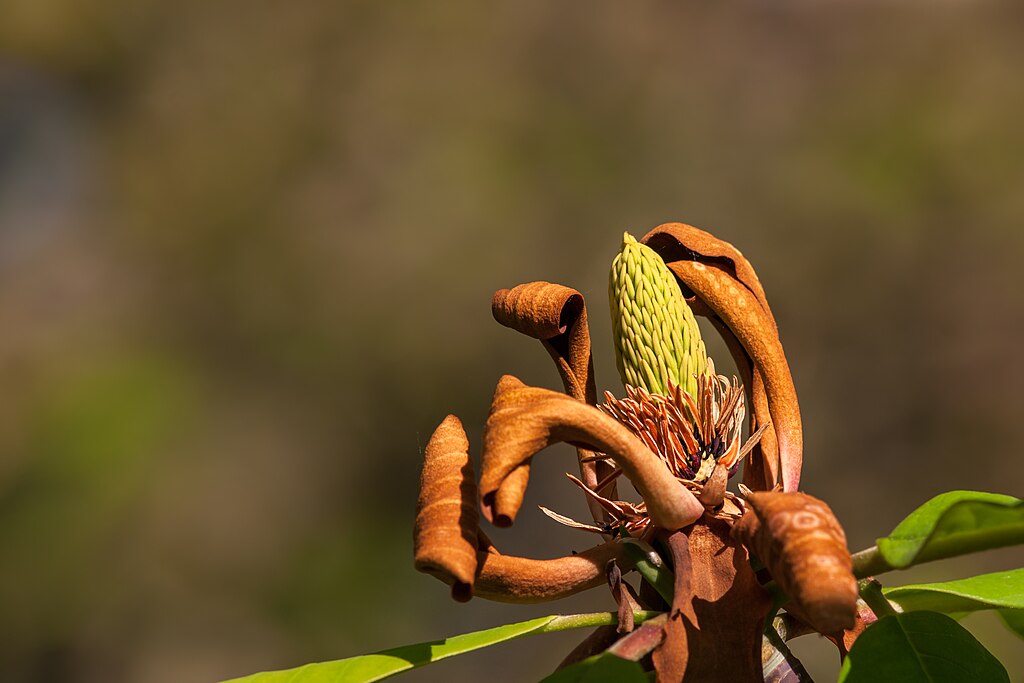
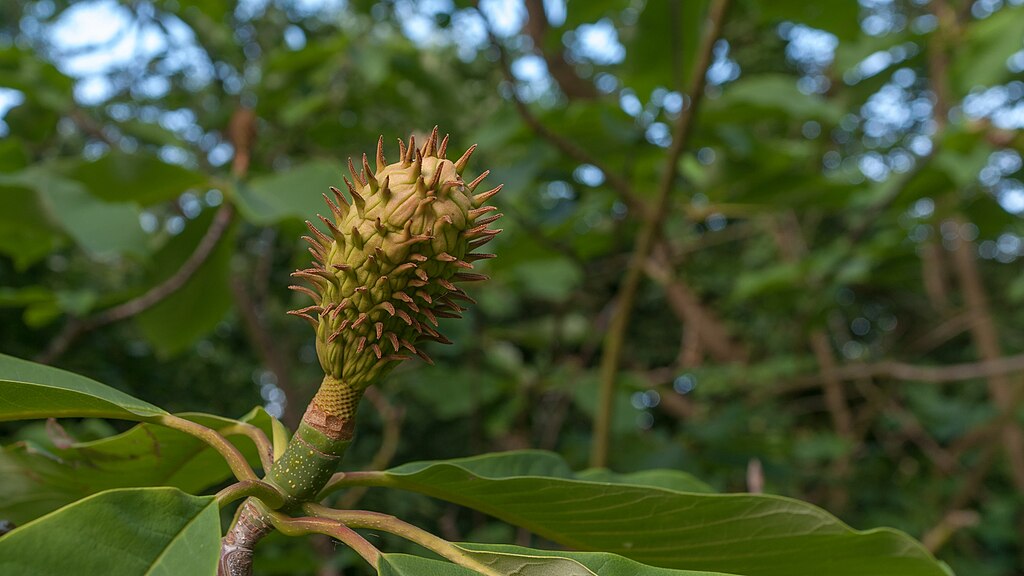
Cone-like seed pods that split open to reveal bright red or orange seeds.
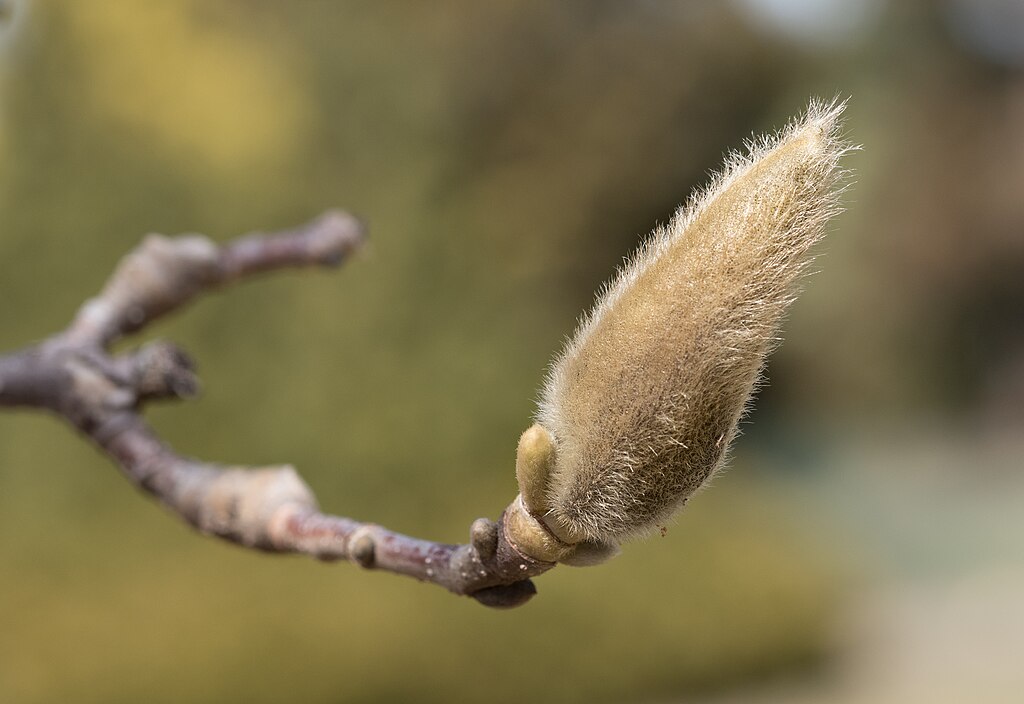
Flower buds enclosed in fuzzy or silky protective scales.
Look-Alikes
Most magnolias are distinctive and have few convincing look-alikes.
Tulip Tree (Liriodendron tulipifera)
Also belongs to the magnolia family.
Tulip-shaped green and orange flowers.
Four-lobed leaves instead of simple oval leaves.
Produces upright cone-like fruits.
Sweetbay Magnolia (Magnolia virginiana)
Smaller creamy-white flowers with a lemony fragrance.
Silvery undersides on the leaves.
Often grows in wetter habitats.
Tip: Magnolia flowers have thick, fleshy petals rather than thin, delicate ones. Once you've felt a magnolia bloom, you'll never confuse it with another spring flower.
Older than bees. Beautiful in bloom. Surprisingly delicious.
What It Is
Magnolias are among the oldest flowering trees on Earth, gracing forests and landscapes with enormous fragrant blossoms each spring. Native species grow throughout eastern North America, while many Asian magnolias have become beloved ornamentals in parks, neighborhoods, and old homesteads.
Their large flowers, glossy leaves, and colorful seed cones make them easy to recognize. While most people admire magnolias for their beauty, foragers know another secret. The flower petals have a bright, citrusy, ginger-like flavor that transforms into exceptional pickles, preserves, and seasonings.
Field ID Quick Tip
Magnolias are difficult to mistake once you know their signature features.
Large trees or shrubs with smooth gray bark.
Thick, glossy leaves that are often leathery.
Huge fragrant flowers with broad, waxy petals.
Cone-like seed pods that split open to reveal bright red or orange seeds.
Flower buds enclosed in fuzzy or silky protective scales.
Look-Alikes
Most magnolias are distinctive and have few convincing look-alikes.
Tulip Tree (Liriodendron tulipifera)
Also belongs to the magnolia family.
Tulip-shaped green and orange flowers.
Four-lobed leaves instead of simple oval leaves.
Produces upright cone-like fruits.
Sweetbay Magnolia (Magnolia virginiana)
Smaller creamy-white flowers with a lemony fragrance.
Silvery undersides on the leaves.
Often grows in wetter habitats.
Tip: Magnolia flowers have thick, fleshy petals rather than thin, delicate ones. Once you've felt a magnolia bloom, you'll never confuse it with another spring flower.
Use It Like This
Flower Petals
Pickle while fresh and unopened or newly opened.
Slice into salads for a citrusy, ginger-like bite.
Add to sandwiches and wraps.
Stir into slaws.
Use as a colorful garnish.
Pickled Magnolia
Preserve in vinegar with salt and spices.
Serve alongside charcuterie and cheeses.
Chop into potato salad or egg salad.
Add to tacos, burgers, or grain bowls.
Flower Buds
Pickle whole before opening.
Ferment into tangy condiments.
Slice into compound butters.
Leaves & Branches
Use in wreaths and holiday decorations.
Create long-lasting greenery for floral arrangements.
Tip: Young flower petals have the mildest flavor. Older blossoms become increasingly peppery and resinous.
Use It Like This
Flower Petals
Pickle while fresh and unopened or newly opened.
Slice into salads for a citrusy, ginger-like bite.
Add to sandwiches and wraps.
Stir into slaws.
Use as a colorful garnish.
Pickled Magnolia
Preserve in vinegar with salt and spices.
Serve alongside charcuterie and cheeses.
Chop into potato salad or egg salad.
Add to tacos, burgers, or grain bowls.
Flower Buds
Pickle whole before opening.
Ferment into tangy condiments.
Slice into compound butters.
Leaves & Branches
Use in wreaths and holiday decorations.
Create long-lasting greenery for floral arrangements.
Tip: Young flower petals have the mildest flavor. Older blossoms become increasingly peppery and resinous.
Harvest Notes
Harvest flowers just as they begin opening.
Choose clean, unblemished blossoms.
Pick only a few flowers from each tree.
Avoid trees treated with landscape pesticides.
Store petals in the refrigerator and use within a day or two.
Seasonal Tip: Every flower becomes a seed pod that feeds wildlife. Harvest thoughtfully and leave plenty behind for birds and the tree's next generation.
Did You Know?
Magnolias evolved before bees existed. Their flowers were originally pollinated by beetles, which explains why the petals are unusually thick and tough. Instead of delicate blossoms designed for gentle bee landings, magnolias evolved sturdy flowers that could withstand hungry beetles crawling and chewing their way through the blooms.
Ancient Roots
Magnolias belong to one of the oldest surviving lineages of flowering plants. Fossil evidence shows their ancestors were blooming more than 95 million years ago, while dinosaurs still walked the Earth. At that time, bees had not yet evolved, so magnolias formed partnerships with beetles instead. Even today, many magnolia species continue to rely heavily on beetle pollination.
Their remarkable success has allowed magnolias to survive continental drift, ice ages, and mass extinctions. Today they remain living ambassadors from one of the earliest chapters in the story of flowering plants.
Wild Pantry Snapshot
Magnolia reminds us that beauty and usefulness often grow together. Beneath those spectacular spring blossoms is a surprisingly flavorful wild food with a history stretching back to the age of dinosaurs. Every bite is a taste of one of Earth's oldest flowering trees.
Harvest Notes
Harvest flowers just as they begin opening.
Choose clean, unblemished blossoms.
Pick only a few flowers from each tree.
Avoid trees treated with landscape pesticides.
Store petals in the refrigerator and use within a day or two.
Seasonal Tip: Every flower becomes a seed pod that feeds wildlife. Harvest thoughtfully and leave plenty behind for birds and the tree's next generation.
Did You Know?
Magnolias evolved before bees existed. Their flowers were originally pollinated by beetles, which explains why the petals are unusually thick and tough. Instead of delicate blossoms designed for gentle bee landings, magnolias evolved sturdy flowers that could withstand hungry beetles crawling and chewing their way through the blooms.
Ancient Roots
Magnolias belong to one of the oldest surviving lineages of flowering plants. Fossil evidence shows their ancestors were blooming more than 95 million years ago, while dinosaurs still walked the Earth. At that time, bees had not yet evolved, so magnolias formed partnerships with beetles instead. Even today, many magnolia species continue to rely heavily on beetle pollination.
Their remarkable success has allowed magnolias to survive continental drift, ice ages, and mass extinctions. Today they remain living ambassadors from one of the earliest chapters in the story of flowering plants.
Wild Pantry Snapshot
Magnolia reminds us that beauty and usefulness often grow together. Beneath those spectacular spring blossoms is a surprisingly flavorful wild food with a history stretching back to the age of dinosaurs. Every bite is a taste of one of Earth's oldest flowering trees.