Plant ID Pages
Plant ID Pages
Plant ID Pages

Juniper (Juniperus spp.)
Ancient spice. Wild seasoning. The flavor behind gin.
What It Is
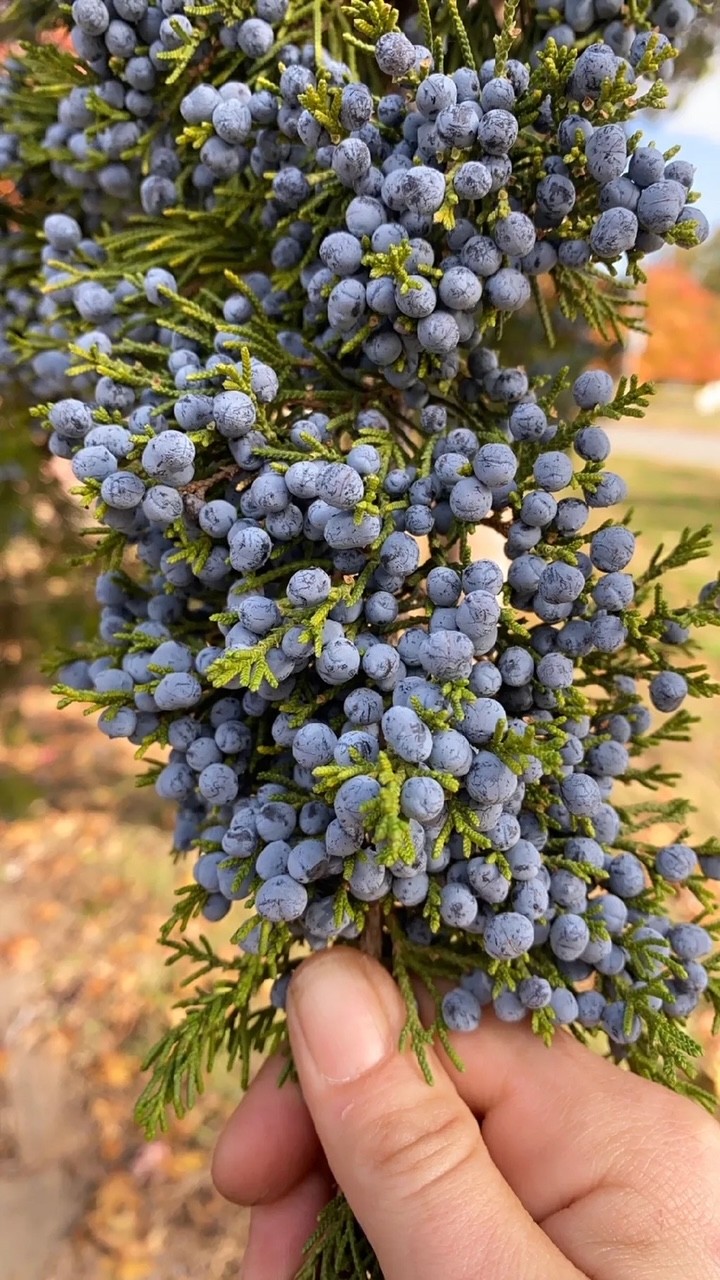
Junipers are evergreen conifers found across much of the Northern Hemisphere, growing from rocky hillsides and open prairies to forests and city landscapes. Instead of producing true berries, they form small, fleshy seed cones that ripen to a dusty blue or purple over one to three years.
For thousands of years, people have valued juniper for its bold, resinous flavor. The "berries" season game meats, flavor sauerkraut and pickles, perfume gin, and have long been used in traditional herbal preparations. Even the aromatic wood and fragrant branches have found their way into kitchens, smokehouses, and ceremonies around the world.
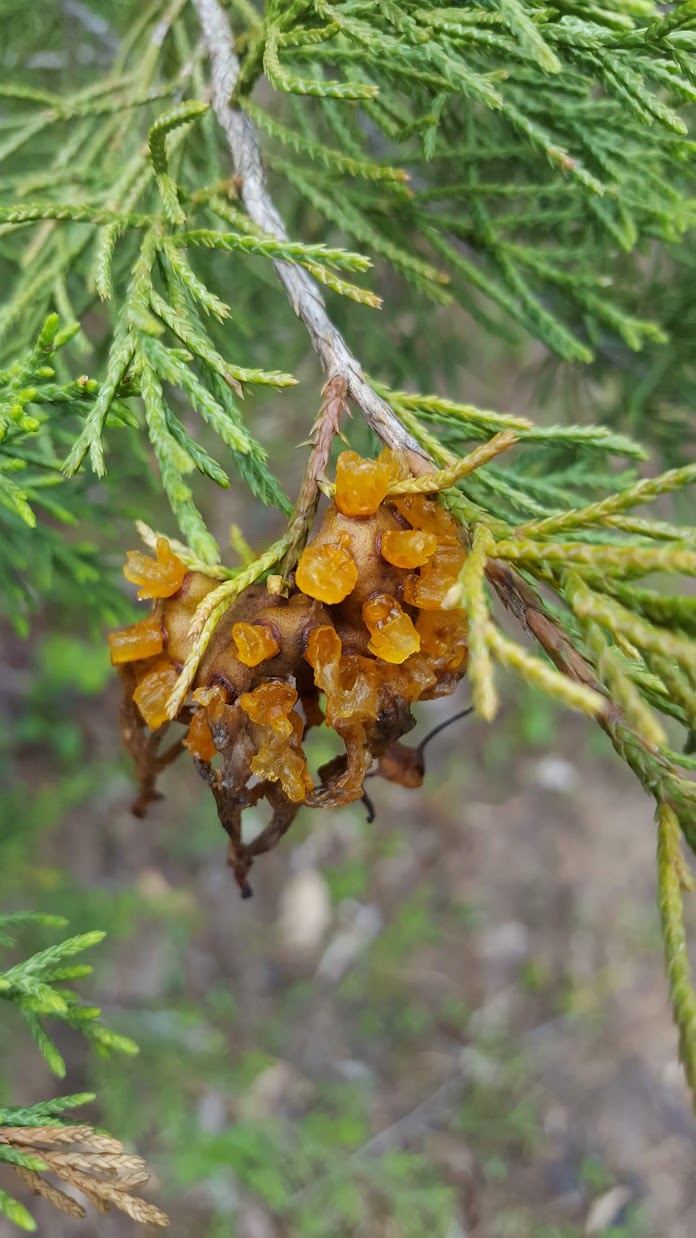
Not every juniper is suitable for culinary use. Stick with well-known edible species such as Common Juniper (Juniperus communis) and Eastern Redcedar (Juniperus virginiana), which is actually a juniper despite its common name.
Field ID Quick Tip
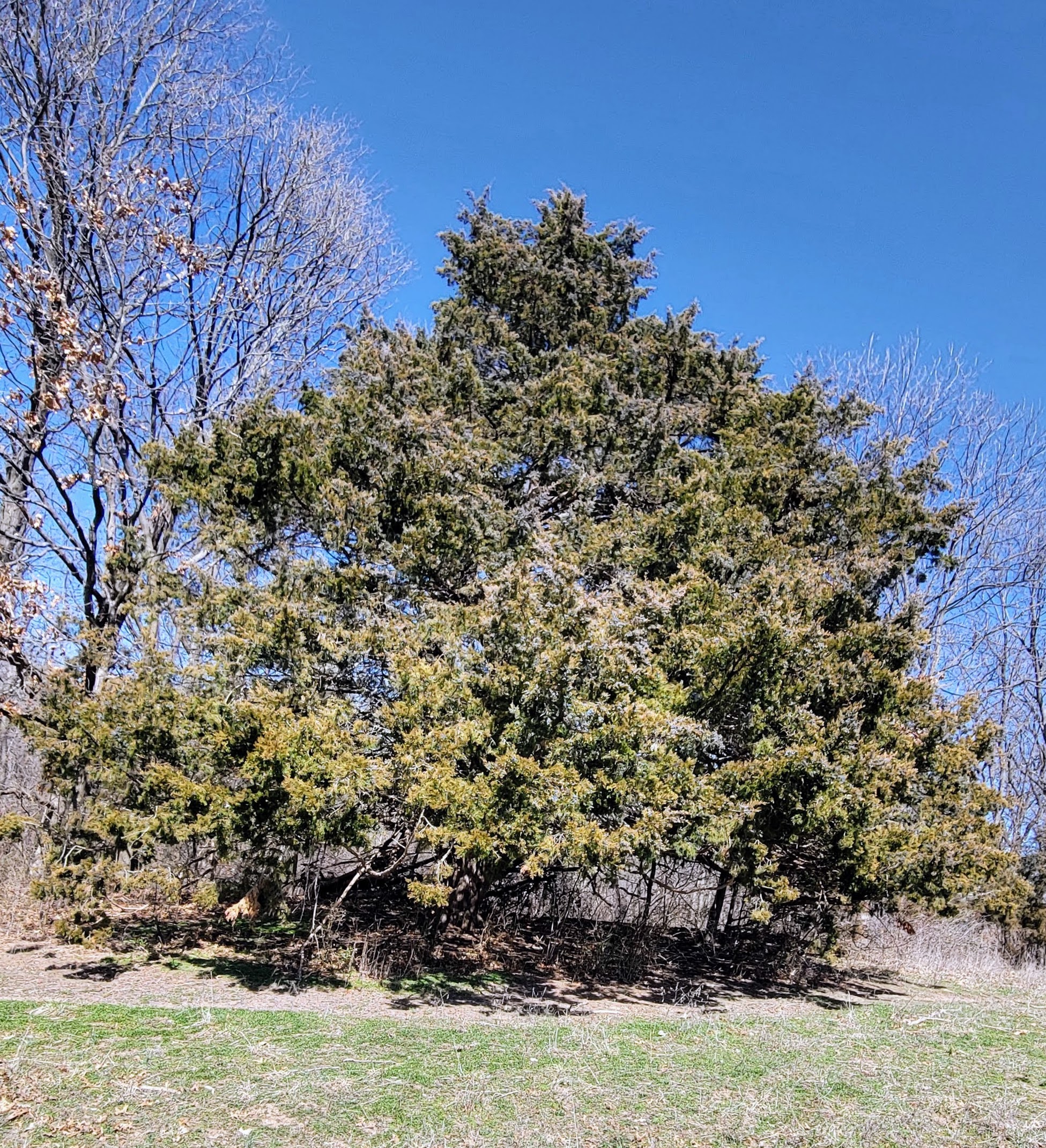
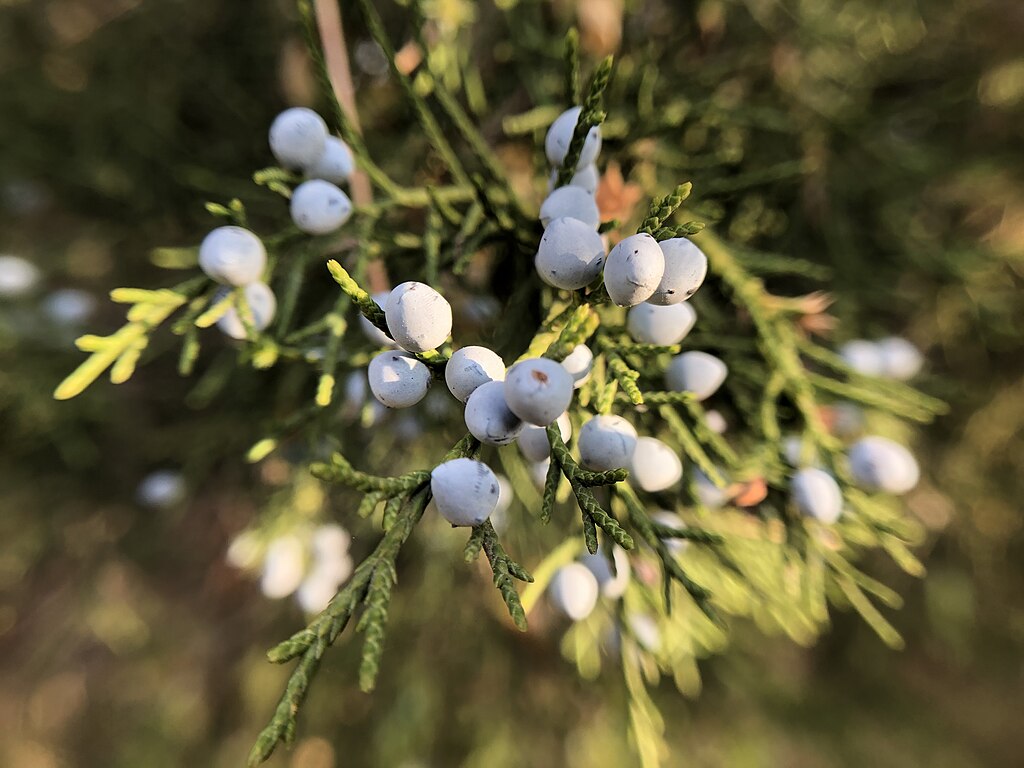
Eastern Redcedar is actually a juniper, not a true cedar. It's one of the most common evergreen trees across eastern North America and is easy to recognize in every season.
Evergreen tree with a narrow, pyramidal shape when young.
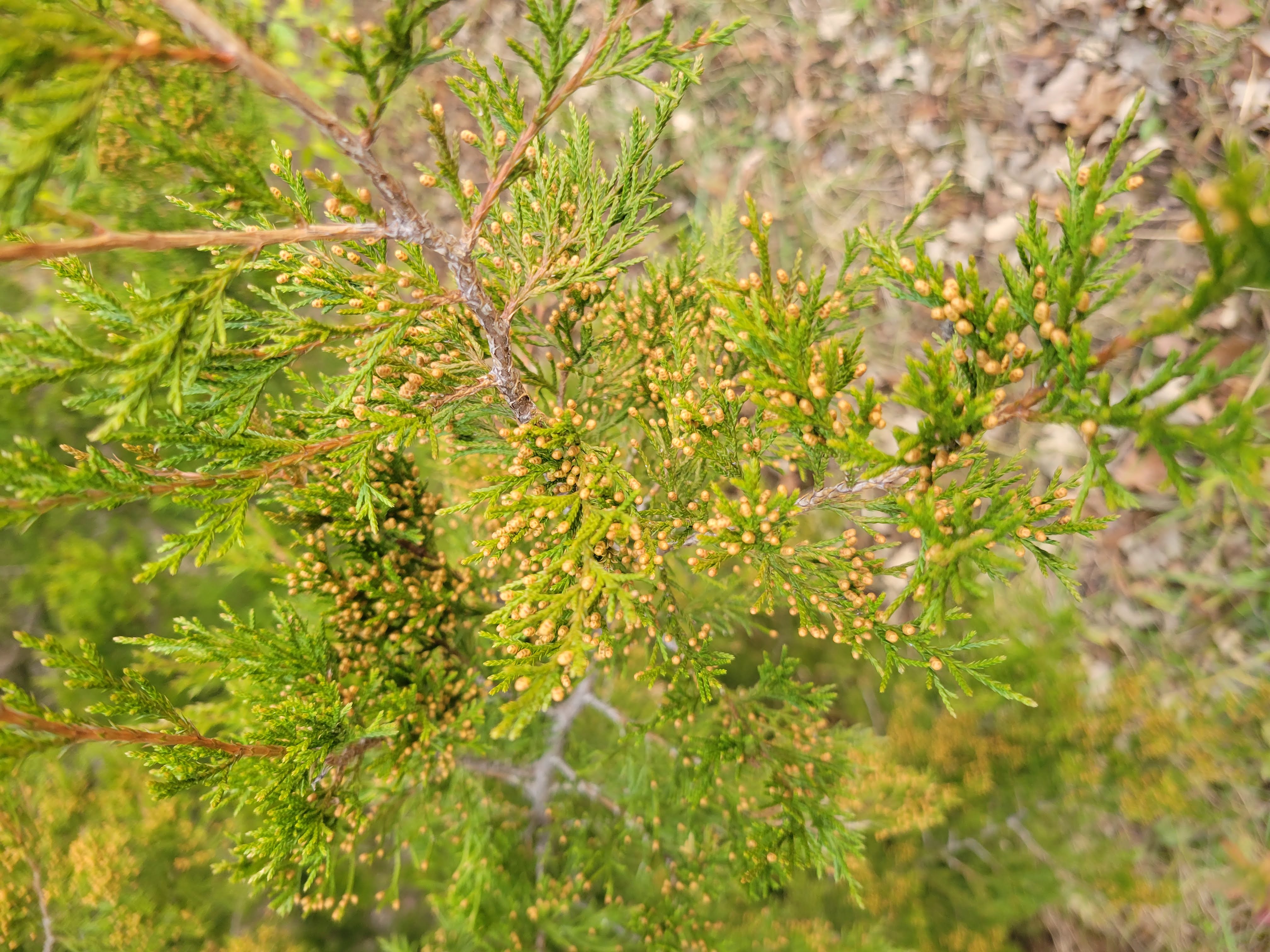
Blue-green, scale-like foliage on mature branches.
Young shoots may have sharp, needle-like leaves.
Blue, waxy berry-like seed cones produced on female trees.
Reddish-brown bark that peels away in long, fibrous strips.
Aromatic reddish heartwood with a distinctive cedar scent.
Look-Alikes
Arborvitae (Thuja spp.)
Flattened, fan-like sprays of foliage.
Small, dry woody cones instead of fleshy blue seed cones.
Often planted as hedges and windbreaks.
Cypress (Cupressus spp.)
Scale-like foliage similar to junipers.
Round, woody cones rather than fleshy blue seed cones.
Primarily found in warmer regions or cultivated landscapes.
Tip: The combination of blue berry-like seed cones, peeling reddish bark, and aromatic wood makes Eastern Redcedar one of the easiest native evergreens to identify. If the tree has dry, woody cones instead of blue fleshy ones, you're looking at something else.
Ancient spice. Wild seasoning. The flavor behind gin.
What It Is
Junipers are evergreen conifers found across much of the Northern Hemisphere, growing from rocky hillsides and open prairies to forests and city landscapes. Instead of producing true berries, they form small, fleshy seed cones that ripen to a dusty blue or purple over one to three years.
For thousands of years, people have valued juniper for its bold, resinous flavor. The "berries" season game meats, flavor sauerkraut and pickles, perfume gin, and have long been used in traditional herbal preparations. Even the aromatic wood and fragrant branches have found their way into kitchens, smokehouses, and ceremonies around the world.
Not every juniper is suitable for culinary use. Stick with well-known edible species such as Common Juniper (Juniperus communis) and Eastern Redcedar (Juniperus virginiana), which is actually a juniper despite its common name.
Field ID Quick Tip
Eastern Redcedar is actually a juniper, not a true cedar. It's one of the most common evergreen trees across eastern North America and is easy to recognize in every season.
Evergreen tree with a narrow, pyramidal shape when young.
Blue-green, scale-like foliage on mature branches.
Young shoots may have sharp, needle-like leaves.
Blue, waxy berry-like seed cones produced on female trees.
Reddish-brown bark that peels away in long, fibrous strips.
Aromatic reddish heartwood with a distinctive cedar scent.
Look-Alikes
Arborvitae (Thuja spp.)
Flattened, fan-like sprays of foliage.
Small, dry woody cones instead of fleshy blue seed cones.
Often planted as hedges and windbreaks.
Cypress (Cupressus spp.)
Scale-like foliage similar to junipers.
Round, woody cones rather than fleshy blue seed cones.
Primarily found in warmer regions or cultivated landscapes.
Tip: The combination of blue berry-like seed cones, peeling reddish bark, and aromatic wood makes Eastern Redcedar one of the easiest native evergreens to identify. If the tree has dry, woody cones instead of blue fleshy ones, you're looking at something else.
Use It Like This
Berries (Seed Cones)
Dry and grind into spice blends or dry rubs.
Season venison, duck, pork, lamb, or other wild game.
Add to marinades, braises, and hearty stews.
Flavor sauerkraut, pickles, and fermented vegetables.
Simmer into mulled cider or spiced wine.
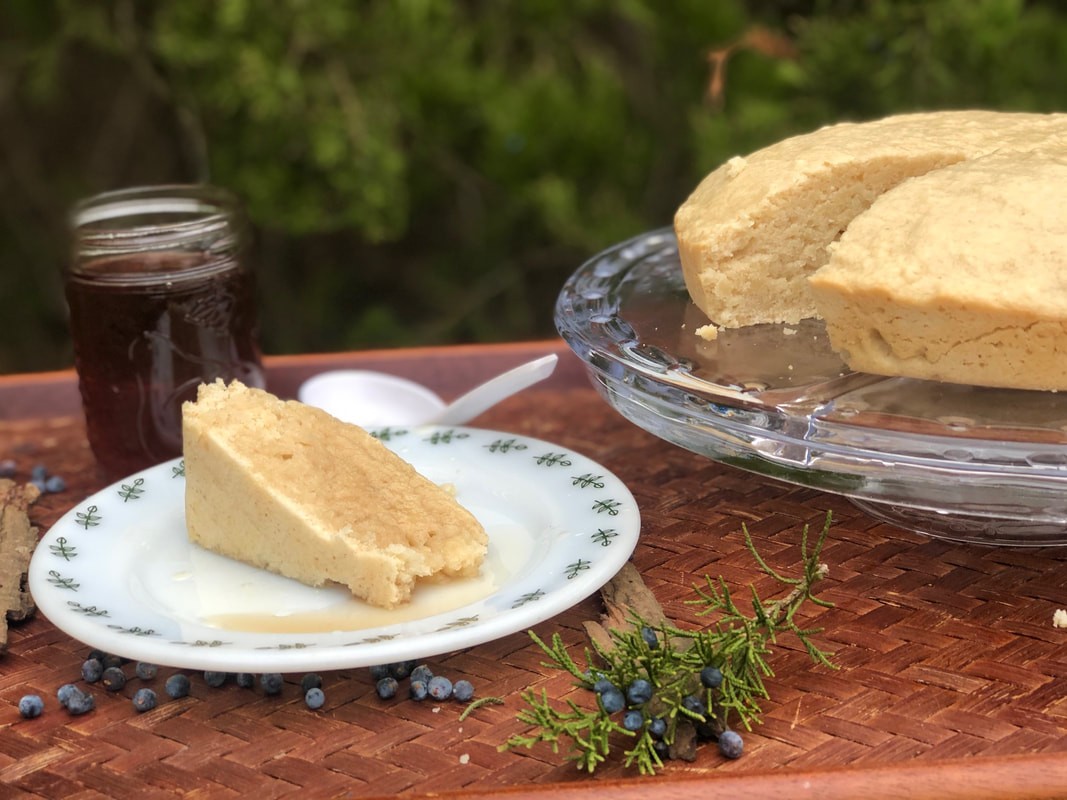
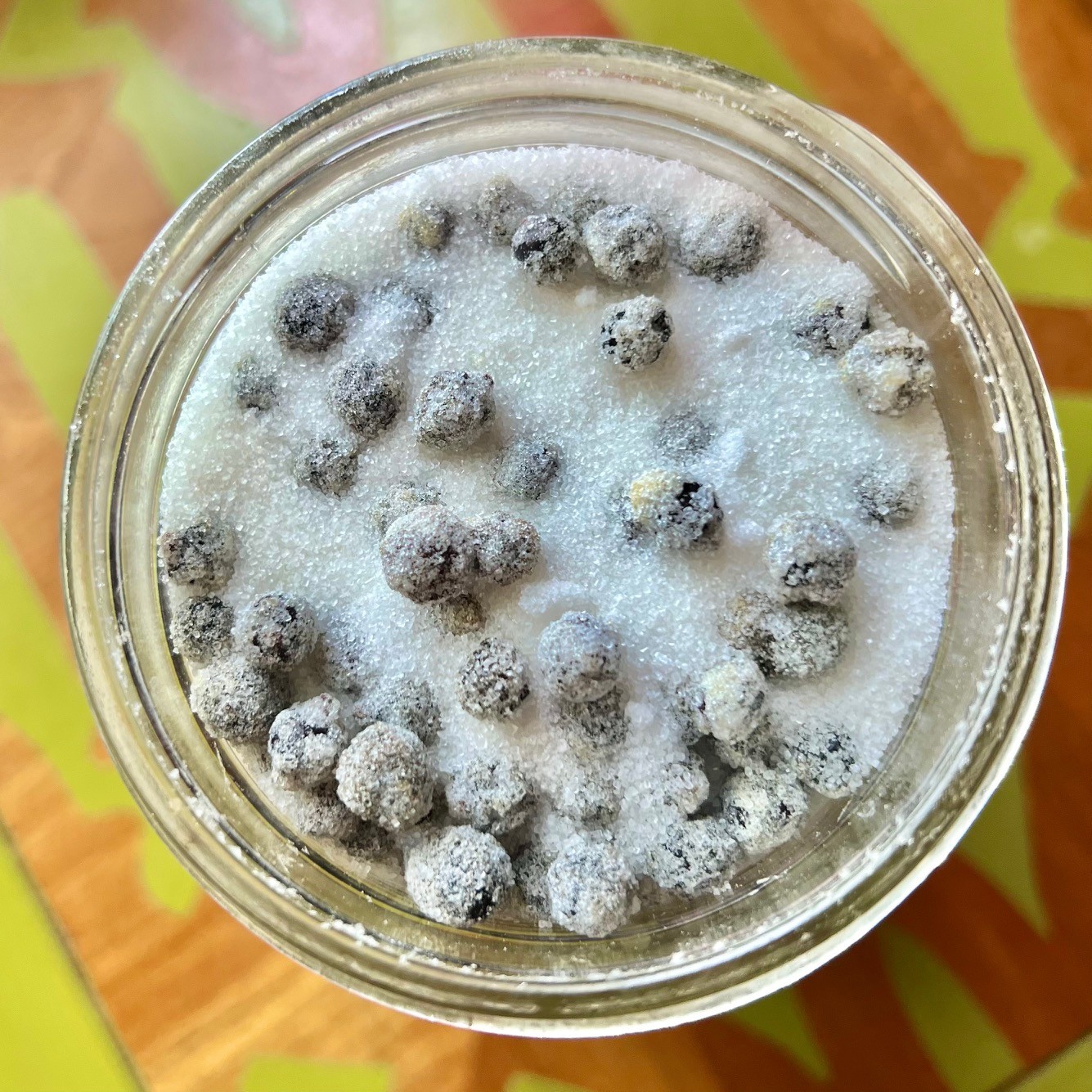
Infuse into vinegar, mead, simple syrup, or homemade bitters.
Add a few berries to elderberry syrup or fire cider for a resinous, woodsy note.
Branches
Toss fresh sprigs onto hot coals to smoke meats, fish, or vegetables.
Use as aromatic skewers for grilling.
Add to campfires for a fragrant woodland aroma.
Wood
Carve into small kitchen utensils or craft projects.
Burn as an aromatic smoking wood.
Use in outdoor cooking for subtle flavor.
Tip: Juniper has a bold, resinous flavor, so a little goes a long way. Start with just a few berries and adjust to taste. Like bay leaves, juniper is meant to complement a dish, not overpower it.
Use It Like This
Berries (Seed Cones)
Dry and grind into spice blends or dry rubs.
Season venison, duck, pork, lamb, or other wild game.
Add to marinades, braises, and hearty stews.
Flavor sauerkraut, pickles, and fermented vegetables.
Simmer into mulled cider or spiced wine.
Infuse into vinegar, mead, simple syrup, or homemade bitters.
Add a few berries to elderberry syrup or fire cider for a resinous, woodsy note.
Branches
Toss fresh sprigs onto hot coals to smoke meats, fish, or vegetables.
Use as aromatic skewers for grilling.
Add to campfires for a fragrant woodland aroma.
Wood
Carve into small kitchen utensils or craft projects.
Burn as an aromatic smoking wood.
Use in outdoor cooking for subtle flavor.
Tip: Juniper has a bold, resinous flavor, so a little goes a long way. Start with just a few berries and adjust to taste. Like bay leaves, juniper is meant to complement a dish, not overpower it.

Harvest Notes
Harvest ripe blue berries in late fall through winter.
Ripe berries are dusty blue or purple with a whitish bloom.
Green berries are immature and should be left to ripen.
Many junipers carry green and ripe berries at the same time because the cones take two to three years to mature.
Shake berries onto a tarp or sheet for quick harvesting.
Harvest only from positively identified edible species.
Avoid trees growing near busy roads or sprayed landscapes.
Seasonal Tip: Juniper berries become sweeter and more aromatic after a light frost, making late autumn and winter excellent times to harvest.
Did You Know?
Juniper "berries" aren't berries at all. They're actually fleshy seed cones, making juniper one of the few conifers that disguises its cones as fruit. That's why birds love them and help spread juniper across the landscape.
Ancient Roots
Juniper has accompanied people for thousands of years. Archaeological evidence shows its berries were gathered and used as food and seasoning in prehistoric Europe, while many Indigenous peoples of North America valued native junipers for food, smoke, medicine, dyes, and craftsmanship.
Throughout history, juniper branches have been burned to scent homes, preserve meat, and mark ceremonies. The berries became one of the world's earliest spices, eventually lending their unmistakable flavor to gin, whose name comes from the Dutch word jenever, meaning juniper.
Although often called Eastern Redcedar, Juniperus virginiana isn't a true cedar at all. It's a juniper, making it one of North America's most useful native evergreen trees.
Wild Pantry Snapshot
Juniper is proof that one small cone can transform a meal. Its bold flavor has seasoned wild game, preserved foods, flavored drinks, and scented kitchens for thousands of years. Whether growing on a windswept hillside or in your own backyard, juniper connects today's pantry to one of humanity's oldest culinary traditions.
Harvest Notes
Harvest ripe blue berries in late fall through winter.
Ripe berries are dusty blue or purple with a whitish bloom.
Green berries are immature and should be left to ripen.
Many junipers carry green and ripe berries at the same time because the cones take two to three years to mature.
Shake berries onto a tarp or sheet for quick harvesting.
Harvest only from positively identified edible species.
Avoid trees growing near busy roads or sprayed landscapes.
Seasonal Tip: Juniper berries become sweeter and more aromatic after a light frost, making late autumn and winter excellent times to harvest.
Did You Know?
Juniper "berries" aren't berries at all. They're actually fleshy seed cones, making juniper one of the few conifers that disguises its cones as fruit. That's why birds love them and help spread juniper across the landscape.
Ancient Roots
Juniper has accompanied people for thousands of years. Archaeological evidence shows its berries were gathered and used as food and seasoning in prehistoric Europe, while many Indigenous peoples of North America valued native junipers for food, smoke, medicine, dyes, and craftsmanship.
Throughout history, juniper branches have been burned to scent homes, preserve meat, and mark ceremonies. The berries became one of the world's earliest spices, eventually lending their unmistakable flavor to gin, whose name comes from the Dutch word jenever, meaning juniper.
Although often called Eastern Redcedar, Juniperus virginiana isn't a true cedar at all. It's a juniper, making it one of North America's most useful native evergreen trees.
Wild Pantry Snapshot
Juniper is proof that one small cone can transform a meal. Its bold flavor has seasoned wild game, preserved foods, flavored drinks, and scented kitchens for thousands of years. Whether growing on a windswept hillside or in your own backyard, juniper connects today's pantry to one of humanity's oldest culinary traditions.