Plant ID Pages
Plant ID Pages
Plant ID Pages
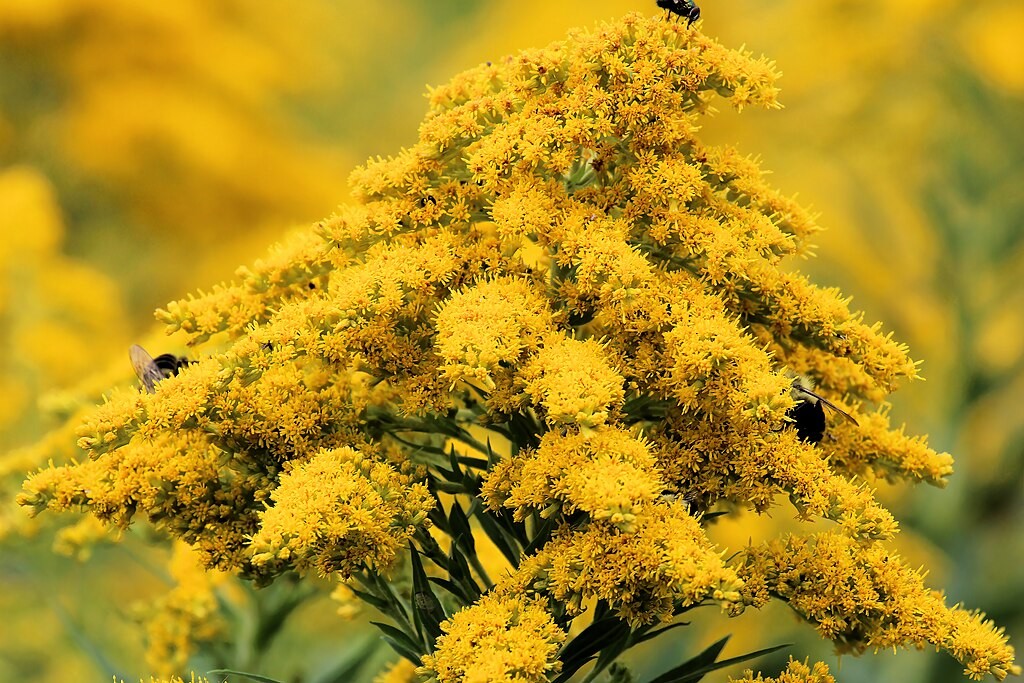
Goldenrod (Solidago spp. )
Goldenrod (Solidago spp. )
Sunshine on a stem. One of North America's most misunderstood wildflowers.
What It Is
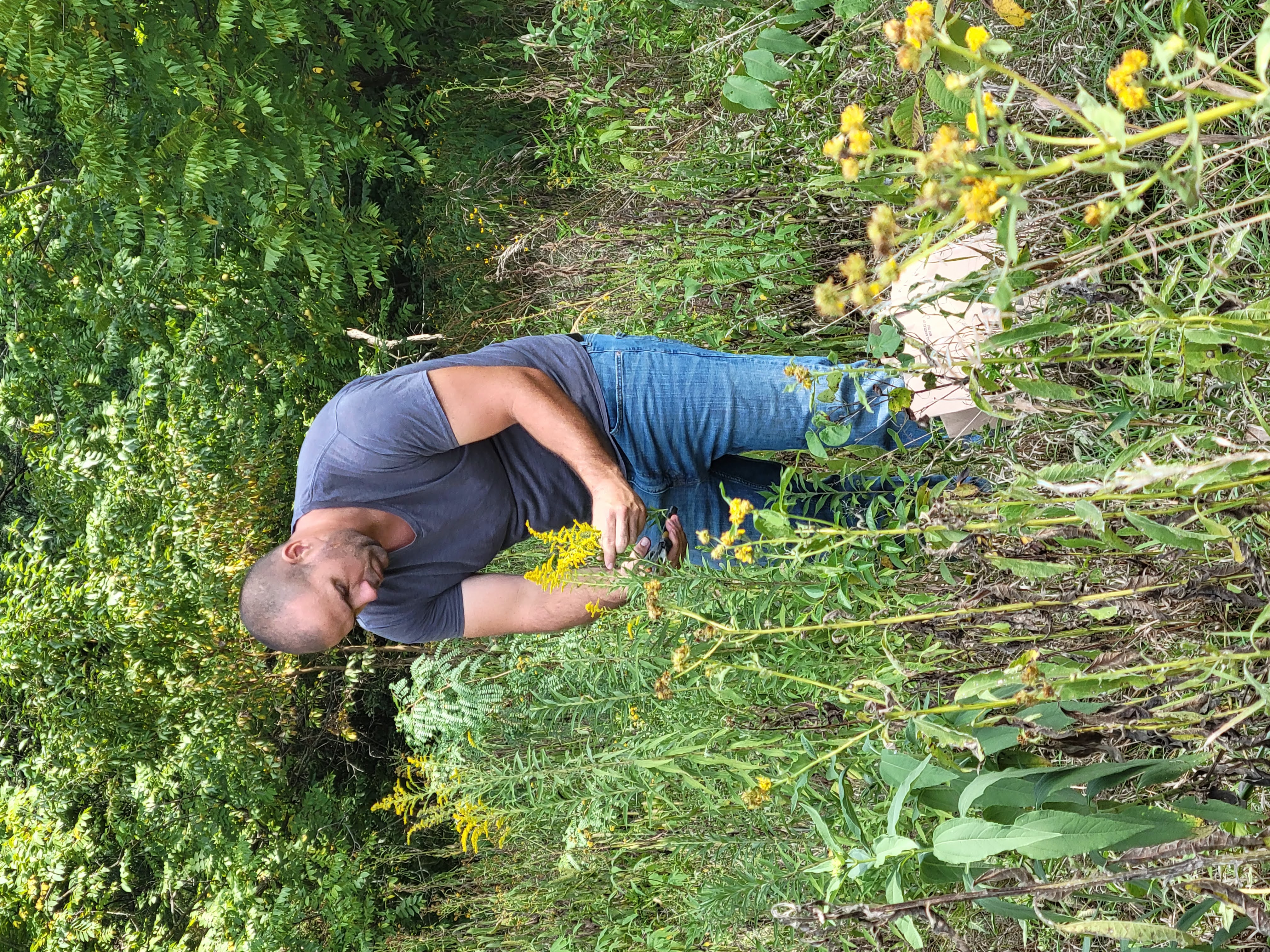
Goldenrod is a bright, late-season native perennial that lights up fields, prairies, roadsides, woodland edges, and open meadows across North America. More than 100 species occur on the continent, and while they vary in size and habitat, they share similar edible and traditional uses.
Blooming from late summer into fall, goldenrod provides one of the last major nectar sources for bees, butterflies, and countless other pollinators before winter arrives. Its leaves and flowers have long been gathered for teas, infused oils, vinegars, and seasonal pantry staples.
Field ID Quick Tip
Goldenrod is easy to recognize once it's in bloom.
Tall, upright stems topped with masses of tiny golden-yellow flowers.
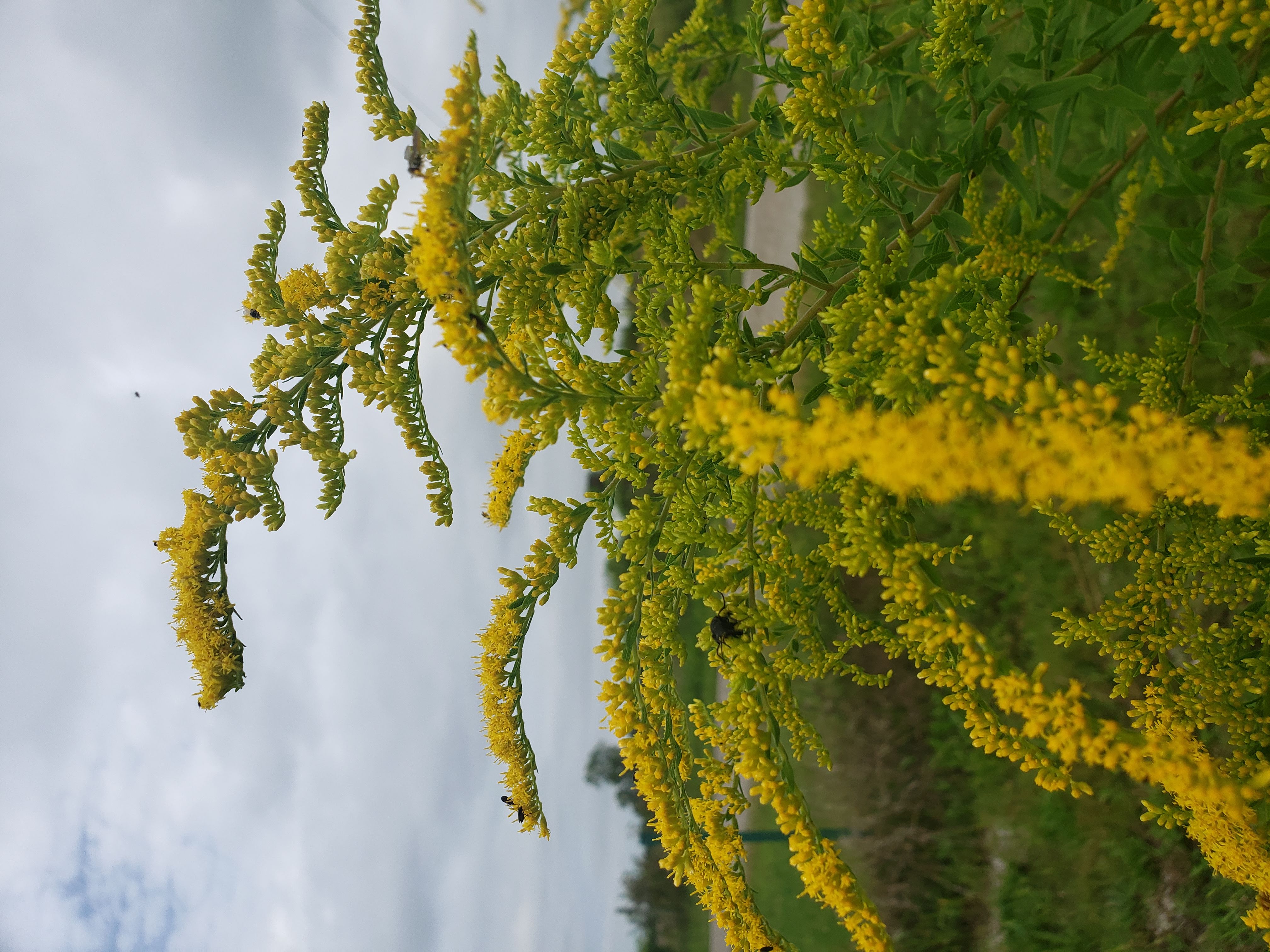
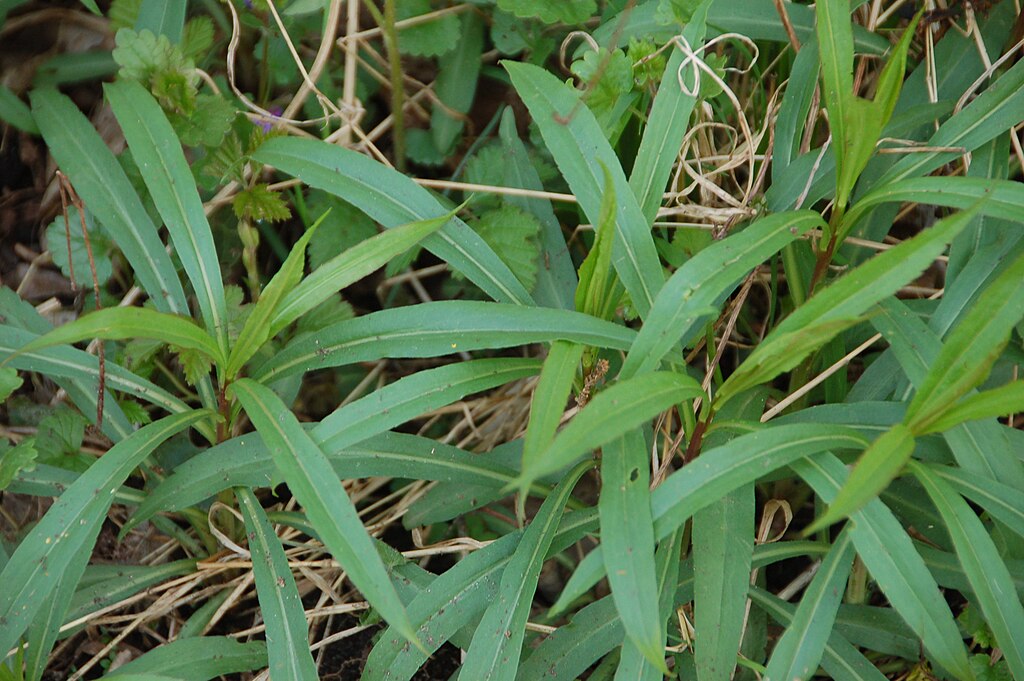
Narrow, lance-shaped leaves arranged alternately along the stem.
Flower clusters often arch gracefully at the top of the plant.
Grows in sunny fields, roadsides, meadows, and woodland edges.
Look-Alikes
Horseweed (Erigeron canadensis)
Tall, upright stems with narrow leaves.
Tiny white flower heads instead of bright yellow clusters.
Similar overall silhouette before flowering.
Common in the same disturbed habitats as goldenrod.
Fleabanes (Erigeron spp.)
Daisy-like flowers with many thin white, pink, or lavender rays.
Generally bloom earlier than most goldenrods.
Smaller flower heads with obvious petals.
Similar narrow leaves on some species.
Asters (Symphyotrichum spp.)
Purple, blue, pink, or white daisy-like flowers.
Often bloom alongside goldenrod in late summer and fall.
Similar height and habitat.
Individual daisy-shaped flowers rather than dense golden plumes.
Tip: Goldenrod stands out with its dense sprays of tiny yellow flowers. If the blooms are white, purple, pink, or individually daisy-like, you're looking at a different plant.
Sunshine on a stem. One of North America's most misunderstood wildflowers.
What It Is
Goldenrod is a bright, late-season native perennial that lights up fields, prairies, roadsides, woodland edges, and open meadows across North America. More than 100 species occur on the continent, and while they vary in size and habitat, they share similar edible and traditional uses.
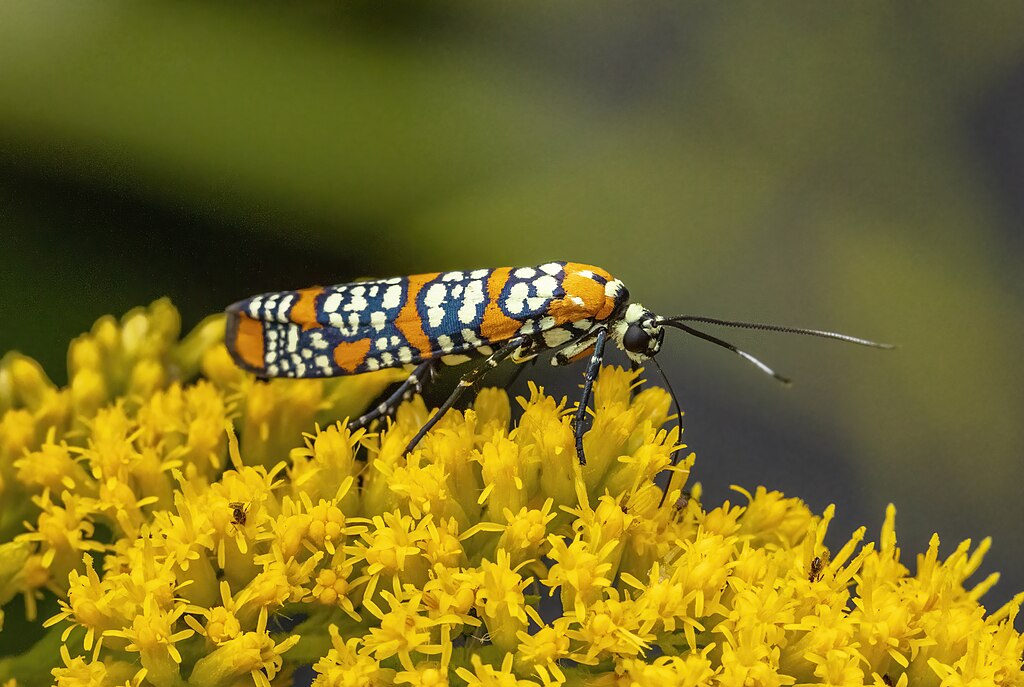
Blooming from late summer into fall, goldenrod provides one of the last major nectar sources for bees, butterflies, and countless other pollinators before winter arrives. Its leaves and flowers have long been gathered for teas, infused oils, vinegars, and seasonal pantry staples.
Field ID Quick Tip
Goldenrod is easy to recognize once it's in bloom.
Tall, upright stems topped with masses of tiny golden-yellow flowers.
Narrow, lance-shaped leaves arranged alternately along the stem.
Flower clusters often arch gracefully at the top of the plant.
Grows in sunny fields, roadsides, meadows, and woodland edges.
Look-Alikes
Horseweed (Erigeron canadensis)
Tall, upright stems with narrow leaves.
Tiny white flower heads instead of bright yellow clusters.
Similar overall silhouette before flowering.
Common in the same disturbed habitats as goldenrod.
Fleabanes (Erigeron spp.)
Daisy-like flowers with many thin white, pink, or lavender rays.
Generally bloom earlier than most goldenrods.
Smaller flower heads with obvious petals.
Similar narrow leaves on some species.
Asters (Symphyotrichum spp.)
Purple, blue, pink, or white daisy-like flowers.
Often bloom alongside goldenrod in late summer and fall.
Similar height and habitat.
Individual daisy-shaped flowers rather than dense golden plumes.
Tip: Goldenrod stands out with its dense sprays of tiny yellow flowers. If the blooms are white, purple, pink, or individually daisy-like, you're looking at a different plant.
Use It Like This
Leaves & Flowers
Dry for fragrant herbal tea blends.
Pair with mint, elderflower, lemon balm, or bee balm.
Infuse into honey or simple syrup for seasonal drinks.
Steep into vinegar for bright salad dressings and marinades.
Use fresh flowers in wildflower jellies.
Infuse into oil for traditional salves and massage oils.
Garnish salads, desserts, and cocktails with fresh blossoms.
Natural Dye
Produce beautiful golden-yellow dyes for wool, cotton, and other natural fibers.
Experiment with different mordants to create shades ranging from bright yellow to olive green.
Pollinator Plant
Plant in native gardens to support bees, butterflies, and beneficial insects.
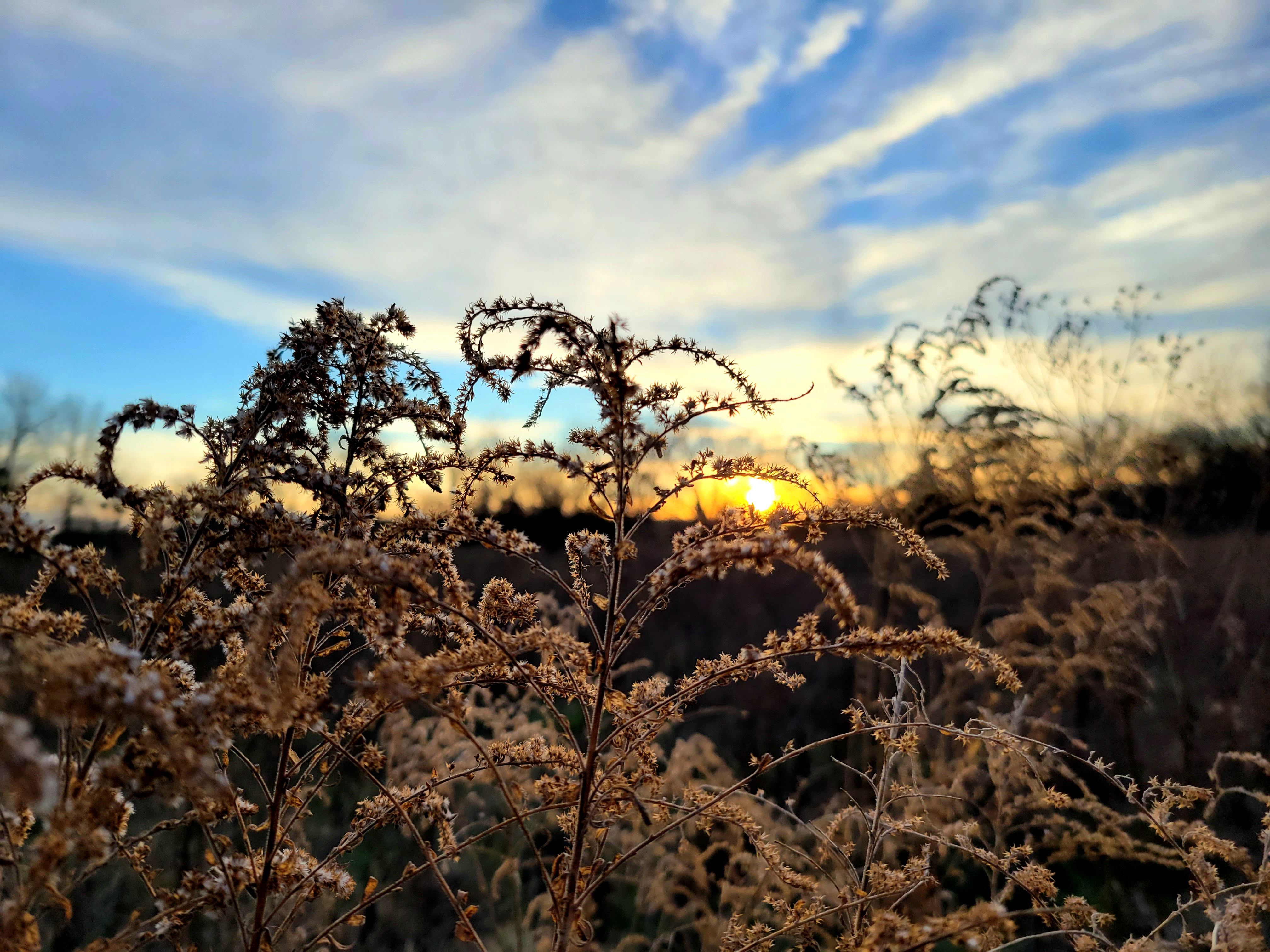
Leave seed heads standing through winter to provide food and shelter for wildlife.
Traditional Herbalism
Traditionally enjoyed as a seasonal tea.
Frequently combined with other herbs in late-summer and fall tea blends.
Long valued in North American and European herbal traditions during allergy season and for general urinary tract support.
Appreciated today as both a flavorful beverage and an important part of traditional herbal practice.
Tip: Harvest flower clusters just after most of the blooms have opened but before they begin producing fluffy seeds. Fresh goldenrod has a pleasant resinous aroma that pairs especially well with citrus, mint, and other bright herbs.
Use It Like This
Leaves & Flowers
Dry for fragrant herbal tea blends.
Pair with mint, elderflower, lemon balm, or bee balm.
Infuse into honey or simple syrup for seasonal drinks.
Steep into vinegar for bright salad dressings and marinades.
Use fresh flowers in wildflower jellies.
Infuse into oil for traditional salves and massage oils.
Garnish salads, desserts, and cocktails with fresh blossoms.
Natural Dye
Produce beautiful golden-yellow dyes for wool, cotton, and other natural fibers.
Experiment with different mordants to create shades ranging from bright yellow to olive green.
Pollinator Plant
Plant in native gardens to support bees, butterflies, and beneficial insects.
Leave seed heads standing through winter to provide food and shelter for wildlife.
Traditional Herbalism
Traditionally enjoyed as a seasonal tea.
Frequently combined with other herbs in late-summer and fall tea blends.
Long valued in North American and European herbal traditions during allergy season and for general urinary tract support.
Appreciated today as both a flavorful beverage and an important part of traditional herbal practice.
Tip: Harvest flower clusters just after most of the blooms have opened but before they begin producing fluffy seeds. Fresh goldenrod has a pleasant resinous aroma that pairs especially well with citrus, mint, and other bright herbs.
Use It Like This
Leaves & Flowers
Dry for fragrant herbal tea blends.
Pair with mint, elderflower, lemon balm, or bee balm.
Infuse into honey or simple syrup for seasonal drinks.
Steep into vinegar for bright salad dressings and marinades.
Use fresh flowers in wildflower jellies.
Infuse into oil for traditional salves and massage oils.
Garnish salads, desserts, and cocktails with fresh blossoms.
Natural Dye
Produce beautiful golden-yellow dyes for wool, cotton, and other natural fibers.
Experiment with different mordants to create shades ranging from bright yellow to olive green.
Pollinator Plant
Plant in native gardens to support bees, butterflies, and beneficial insects.
Leave seed heads standing through winter to provide food and shelter for wildlife.
Traditional Herbalism
Traditionally enjoyed as a seasonal tea.
Frequently combined with other herbs in late-summer and fall tea blends.
Long valued in North American and European herbal traditions during allergy season and for general urinary tract support.
Appreciated today as both a flavorful beverage and an important part of traditional herbal practice.
Tip: Harvest flower clusters just after most of the blooms have opened but before they begin producing fluffy seeds. Fresh goldenrod has a pleasant resinous aroma that pairs especially well with citrus, mint, and other bright herbs.
Harvest Notes
Harvest on dry mornings after the dew has evaporated.
Choose flower clusters that have just fully opened for the best flavor and aroma.
Pick healthy leaves before they become weathered or insect-damaged.
Dry bundles in a warm, well-ventilated space out of direct sunlight.
Leave plenty of flowers behind for bees, butterflies, and other late-season pollinators.
Avoid harvesting from roadsides or areas treated with herbicides or pesticides.
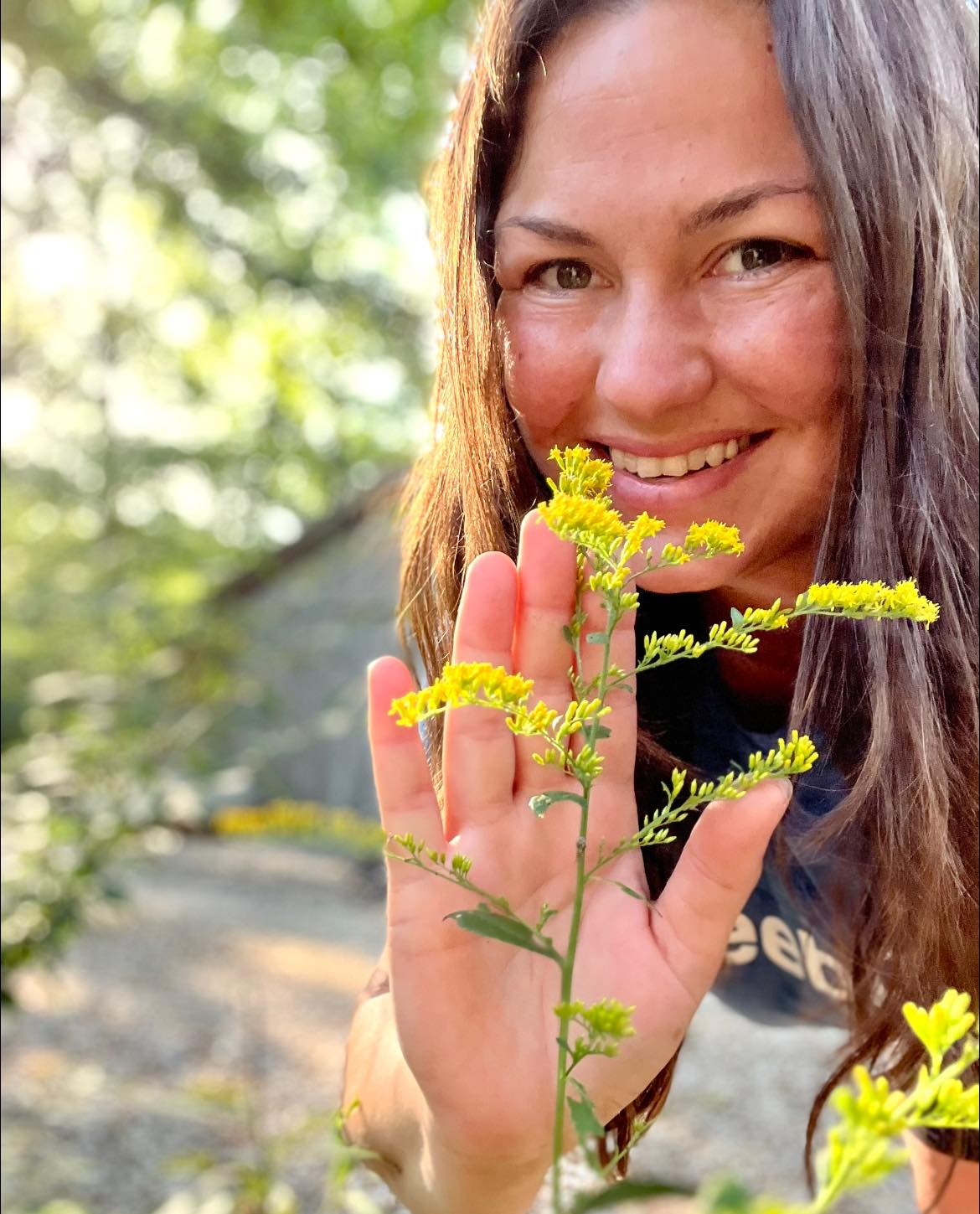
Seasonal Tip: Crush a leaf or flower cluster between your fingers before harvesting. The bright, resinous aroma is one of goldenrod's signature characteristics and a good indicator you've found fresh, healthy plants.
Did You Know?
Goldenrod has spent generations taking the blame for seasonal allergies it doesn't cause. Its pollen is heavy and sticky, carried from flower to flower by insects rather than the wind. The real culprit is usually ragweed, an inconspicuous green-flowered plant that blooms at the same time and releases lightweight pollen into the air.
Ancient Roots
Goldenrod has brightened North American landscapes for thousands of years. Indigenous peoples gathered its flowers and leaves for food, natural dyes, and traditional herbal preparations long before European settlement. Later, colonists adopted many of these uses, and during the American Revolution, goldenrod tea became a popular substitute for imported British tea.
Today, goldenrod remains one of the continent's most important late-season wildflowers, nourishing pollinators while continuing a long tradition of culinary and household use.
Wild Pantry Snapshot
Goldenrod is one of autumn's greatest gifts. Its brilliant flowers brighten teas, syrups, vinegars, jellies, infused oils, and natural dyes while feeding countless pollinators preparing for winter. Once you know its story, you'll see goldenrod not as a roadside weed, but as one of North America's most generous wild pantry plants.
Harvest Notes
Harvest on dry mornings after the dew has evaporated.
Choose flower clusters that have just fully opened for the best flavor and aroma.
Pick healthy leaves before they become weathered or insect-damaged.
Dry bundles in a warm, well-ventilated space out of direct sunlight.
Leave plenty of flowers behind for bees, butterflies, and other late-season pollinators.
Avoid harvesting from roadsides or areas treated with herbicides or pesticides.
Seasonal Tip: Crush a leaf or flower cluster between your fingers before harvesting. The bright, resinous aroma is one of goldenrod's signature characteristics and a good indicator you've found fresh, healthy plants.
Did You Know?
Goldenrod has spent generations taking the blame for seasonal allergies it doesn't cause. Its pollen is heavy and sticky, carried from flower to flower by insects rather than the wind. The real culprit is usually ragweed, an inconspicuous green-flowered plant that blooms at the same time and releases lightweight pollen into the air.
Ancient Roots
Goldenrod has brightened North American landscapes for thousands of years. Indigenous peoples gathered its flowers and leaves for food, natural dyes, and traditional herbal preparations long before European settlement. Later, colonists adopted many of these uses, and during the American Revolution, goldenrod tea became a popular substitute for imported British tea.
Today, goldenrod remains one of the continent's most important late-season wildflowers, nourishing pollinators while continuing a long tradition of culinary and household use.
Wild Pantry Snapshot
Goldenrod is one of autumn's greatest gifts. Its brilliant flowers brighten teas, syrups, vinegars, jellies, infused oils, and natural dyes while feeding countless pollinators preparing for winter. Once you know its story, you'll see goldenrod not as a roadside weed, but as one of North America's most generous wild pantry plants.