Plant ID Pages
Plant ID Pages
Plant ID Pages
Ginkgo (Ginkgo biloba)
Ginkgo (Ginkgo biloba)
Ancient tree. Wild snack. Urban forager's prize.
What It Is
Ginkgo is one of the world's oldest surviving tree species. Often called a living fossil, it represents an ancient lineage that has remained remarkably unchanged for more than 200 million years. Today, it's commonly planted along city streets, college campuses, parks, and neighborhoods because it tolerates pollution, compacted soils, and harsh urban conditions.
Most planted trees are male because the fleshy fruits of female trees produce a strong odor when they ripen. Hidden inside those fruits, however, is an edible nut that has been prized in Asian cuisine for centuries.
Field ID Quick Tip
Ginkgo is unlike any other tree in North America.
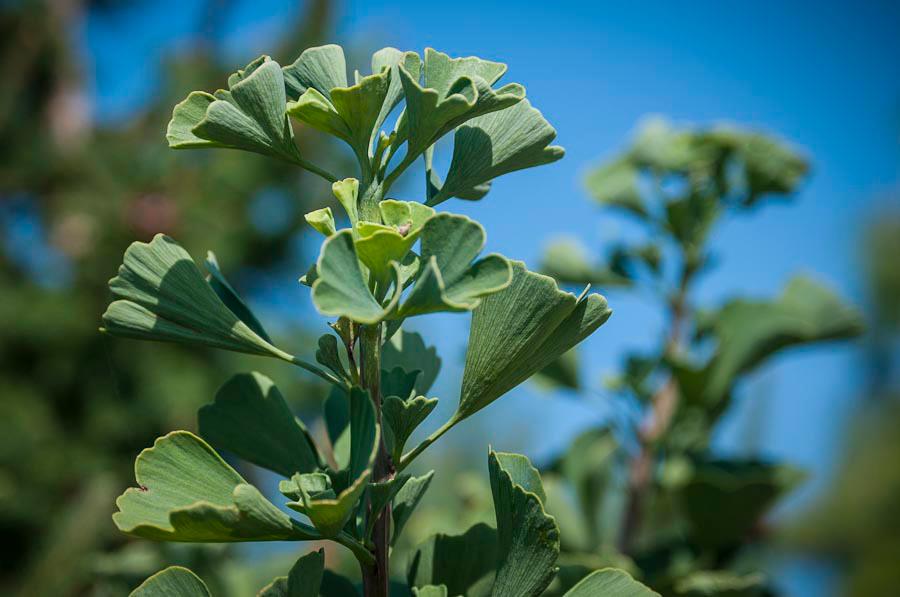
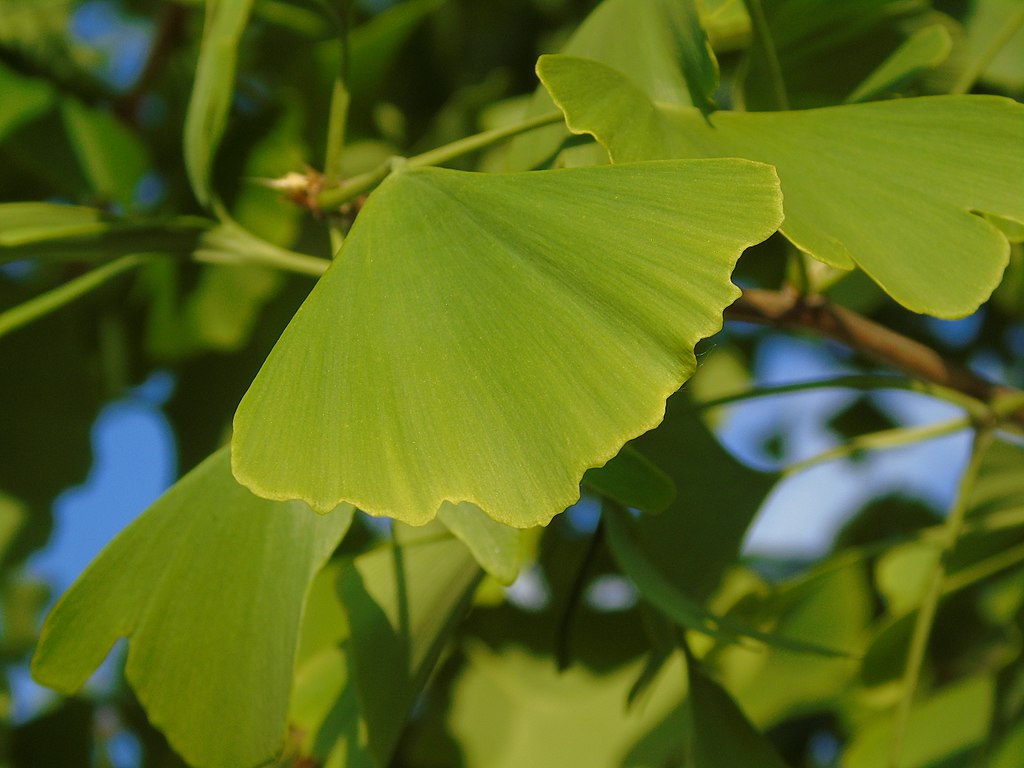
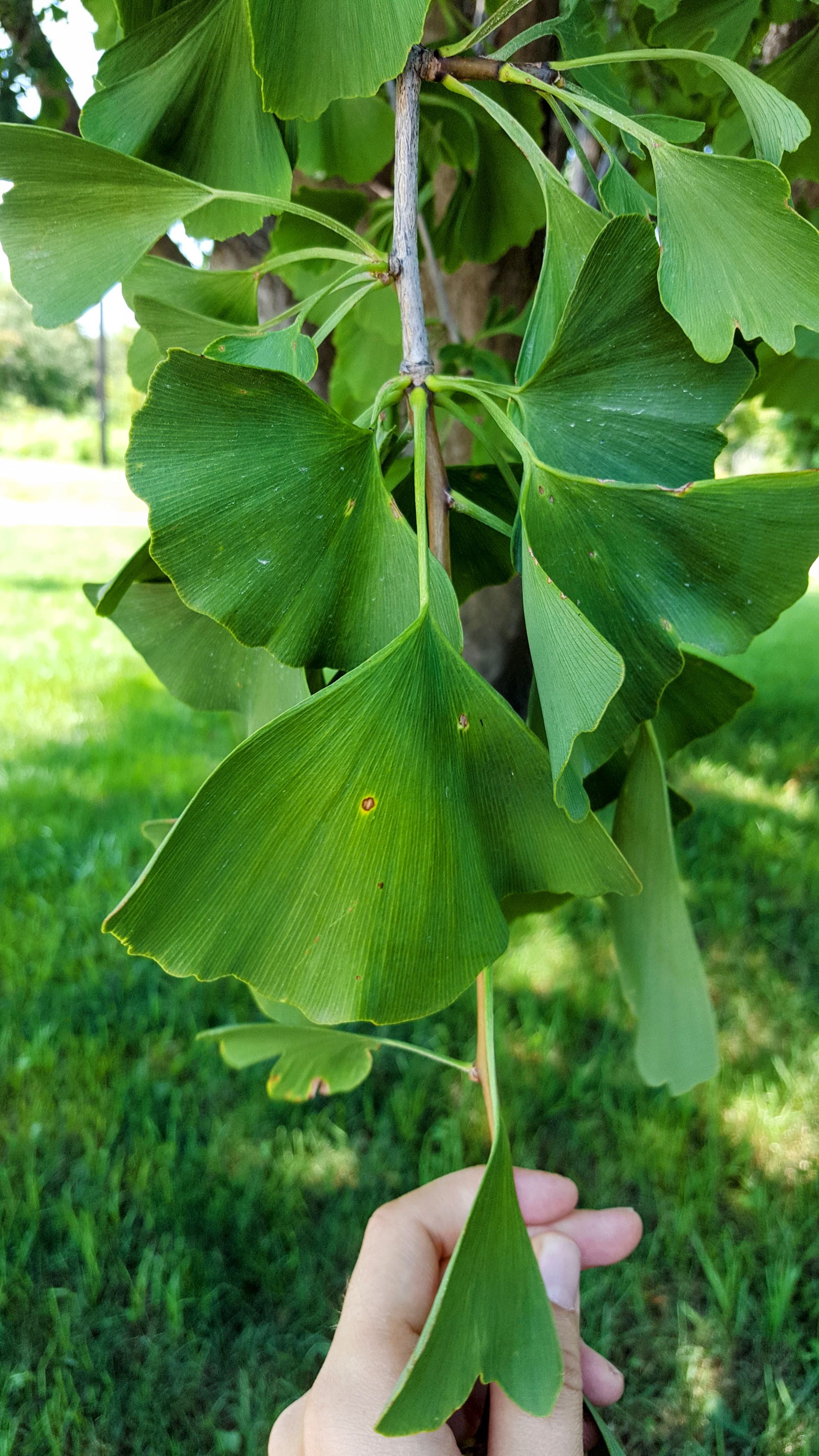
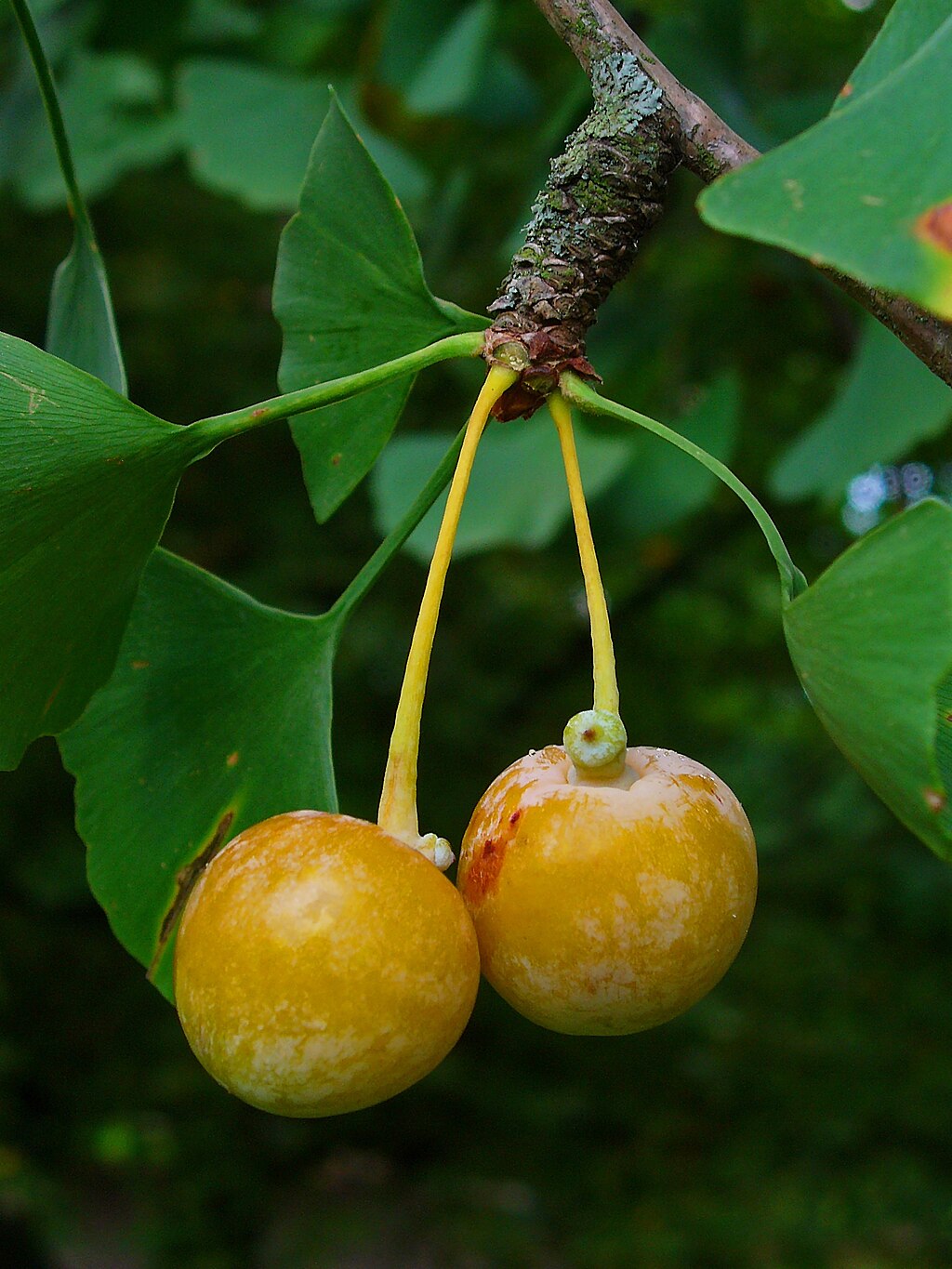
Distinctive fan-shaped leaves with radiating veins.
Leaves often have a notch at the outer edge.
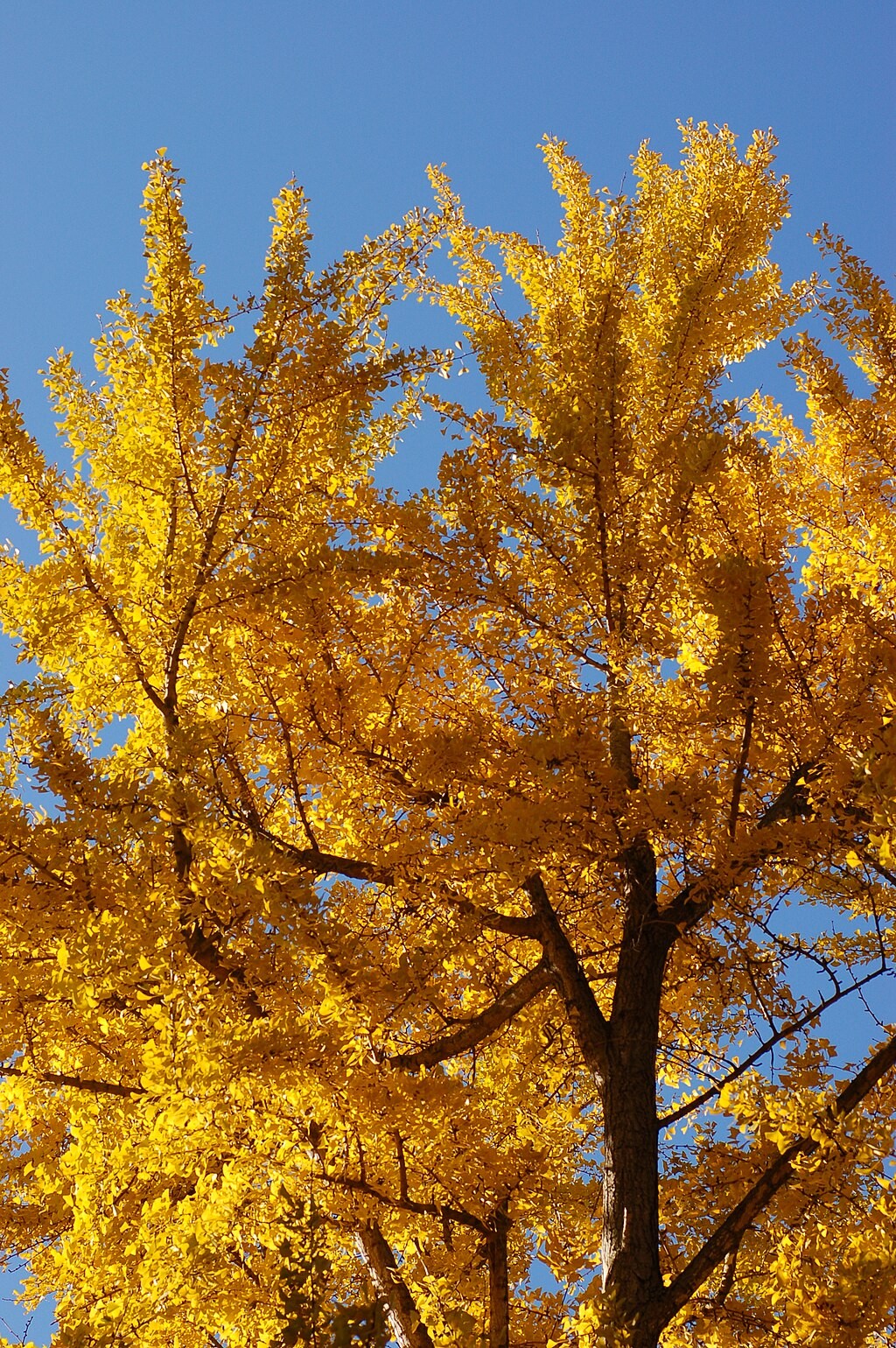
Brilliant golden-yellow fall color.
Short spur shoots that produce clusters of leaves.
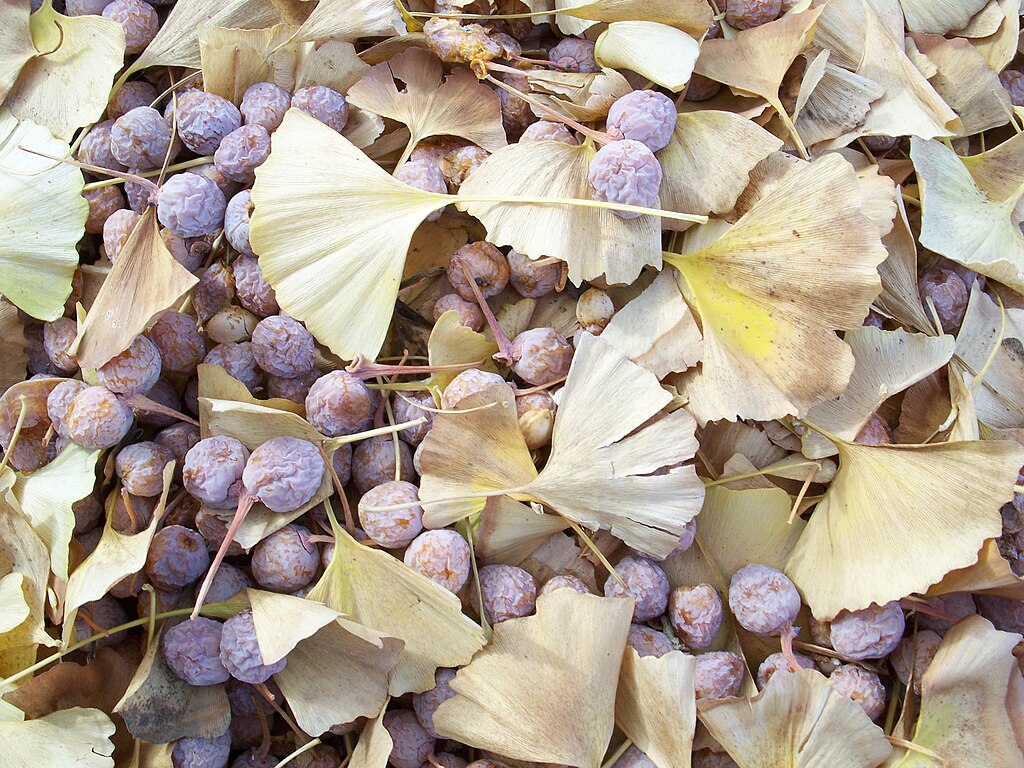
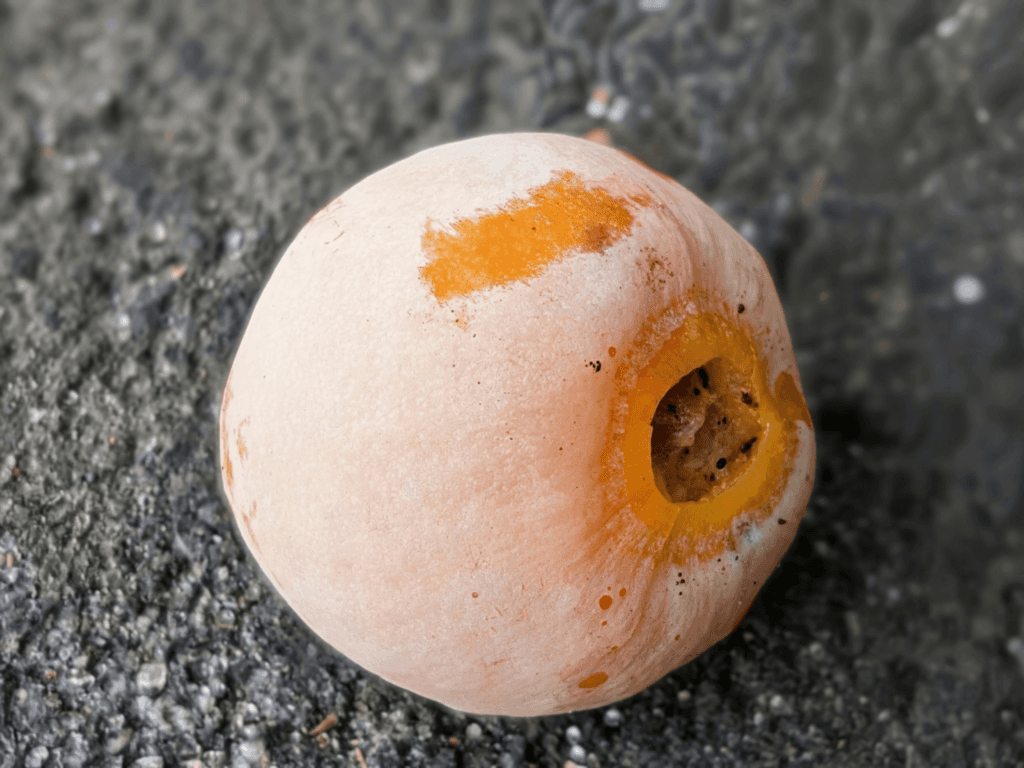
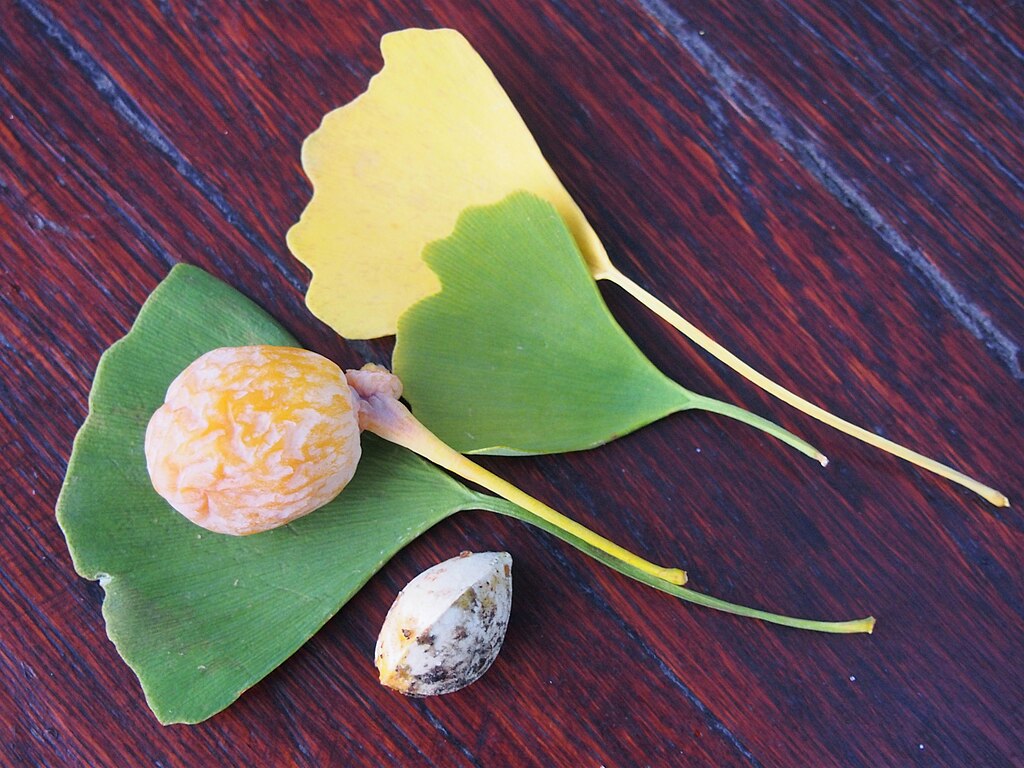
Female trees produce plum-like fruits with a soft, yellow-orange outer coating.
Tip: Ginkgo leaves have veins that spread outward like an open fan instead of forming the branching network seen in most broadleaf trees.
Ancient tree. Wild snack. Urban forager's prize.
What It Is
Ginkgo is one of the world's oldest surviving tree species. Often called a living fossil, it represents an ancient lineage that has remained remarkably unchanged for more than 200 million years. Today, it's commonly planted along city streets, college campuses, parks, and neighborhoods because it tolerates pollution, compacted soils, and harsh urban conditions.
Most planted trees are male because the fleshy fruits of female trees produce a strong odor when they ripen. Hidden inside those fruits, however, is an edible nut that has been prized in Asian cuisine for centuries.
Field ID Quick Tip
Ginkgo is unlike any other tree in North America.
Distinctive fan-shaped leaves with radiating veins.
Leaves often have a notch at the outer edge.
Brilliant golden-yellow fall color.
Short spur shoots that produce clusters of leaves.
Female trees produce plum-like fruits with a soft, yellow-orange outer coating.
Tip: Ginkgo leaves have veins that spread outward like an open fan instead of forming the branching network seen in most broadleaf trees.
Use It Like This
Seeds (Nuts)
Gather seeds from fully ripe fallen fruit in late fall.
Remove the fleshy outer coating while wearing gloves.
Roast or pan-fry until cooked through.
Add to soups, congee, rice dishes, or stir-fries.
Toss into stuffing or vegetable dishes.
Enjoy as a traditional seasonal snack.
Leaves
Press for crafts and botanical art.
Use in seasonal decorations.
Admire their spectacular golden fall color.
Wood
Occasionally used for carving and specialty woodworking.
More commonly appreciated as a resilient landscape tree than a timber species.
Tip: Always cook ginkgo seeds before eating. They are traditionally enjoyed in small portions as a seasonal food rather than eaten by the handful. Raw seeds and excessive quantities can cause illness.
Use It Like This
Seeds (Nuts)
Gather seeds from fully ripe fallen fruit in late fall.
Remove the fleshy outer coating while wearing gloves.
Roast or pan-fry until cooked through.
Add to soups, congee, rice dishes, or stir-fries.
Toss into stuffing or vegetable dishes.
Enjoy as a traditional seasonal snack.
Leaves
Press for crafts and botanical art.
Use in seasonal decorations.
Admire their spectacular golden fall color.
Wood
Occasionally used for carving and specialty woodworking.
More commonly appreciated as a resilient landscape tree than a timber species.
Tip: Always cook ginkgo seeds before eating. They are traditionally enjoyed in small portions as a seasonal food rather than eaten by the handful. Raw seeds and excessive quantities can cause illness.
Harvest Notes
Harvest fruits after they naturally fall in autumn.
Wear gloves when removing the fleshy outer fruit, which can irritate skin and has a strong odor.
Wash seeds thoroughly before drying or cooking.
Crack the shell after roasting or boiling to remove the edible kernel.
Harvest only from female trees growing away from busy roads or treated landscapes.
Seasonal Tip: Once you've found a productive female tree, make a note of its location. Most cities plant male trees, so fruiting trees are relatively uncommon and worth revisiting each autumn.
Did You Know?
Many cities intentionally plant male ginkgo trees to avoid the smell of the ripening fruits. That means finding a fruiting female tree can feel like discovering a hidden pantry in the middle of downtown.
Ancient Roots
Ginkgo is often called a living fossil because its ancestors were growing long before humans appeared. Fossils of ginkgo-like trees date back more than 200 million years, when dinosaurs still walked the Earth. The lineage survived massive climate shifts and extinction events that eliminated countless other plants.
For centuries, Buddhist monks in China, Korea, and Japan cultivated ginkgo around temples, helping preserve the species when it disappeared from much of its native range. Nearly every ginkgo growing in North America today traces its history back to those cultivated trees.
Today, ginkgo connects modern cities with one of the oldest surviving tree lineages on Earth, offering both remarkable history and a unique seasonal harvest.
Wild Pantry Snapshot
Ginkgo reminds us that the oldest trees can still surprise us. Beneath its famously fragrant fruit lies a nut that has nourished people for centuries. Whether growing beside a temple or along a busy sidewalk, this ancient survivor proves that even an urban landscape can hide extraordinary wild food.
Harvest Notes
Harvest fruits after they naturally fall in autumn.
Wear gloves when removing the fleshy outer fruit, which can irritate skin and has a strong odor.
Wash seeds thoroughly before drying or cooking.
Crack the shell after roasting or boiling to remove the edible kernel.
Harvest only from female trees growing away from busy roads or treated landscapes.
Seasonal Tip: Once you've found a productive female tree, make a note of its location. Most cities plant male trees, so fruiting trees are relatively uncommon and worth revisiting each autumn.
Did You Know?
Many cities intentionally plant male ginkgo trees to avoid the smell of the ripening fruits. That means finding a fruiting female tree can feel like discovering a hidden pantry in the middle of downtown.
Ancient Roots
Ginkgo is often called a living fossil because its ancestors were growing long before humans appeared. Fossils of ginkgo-like trees date back more than 200 million years, when dinosaurs still walked the Earth. The lineage survived massive climate shifts and extinction events that eliminated countless other plants.
For centuries, Buddhist monks in China, Korea, and Japan cultivated ginkgo around temples, helping preserve the species when it disappeared from much of its native range. Nearly every ginkgo growing in North America today traces its history back to those cultivated trees.
Today, ginkgo connects modern cities with one of the oldest surviving tree lineages on Earth, offering both remarkable history and a unique seasonal harvest.
Wild Pantry Snapshot
Ginkgo reminds us that the oldest trees can still surprise us. Beneath its famously fragrant fruit lies a nut that has nourished people for centuries. Whether growing beside a temple or along a busy sidewalk, this ancient survivor proves that even an urban landscape can hide extraordinary wild food.