Plant ID Pages
Plant ID Pages
Plant ID Pages

Curly Dock (Rumex crispus)
Curly Dock (Rumex crispus)
Pioneer green. Tangy tonic. One of the first wild vegetables to reclaim disturbed ground.
What It Is
Curly dock is a hardy perennial that thrives in disturbed soils, pastures, roadsides, old fields, gardens, and ditches throughout much of North America. Its deep taproot, wavy-edged leaves, and tall rust-colored seed stalks make it one of the easiest wild plants to recognize in every season.
Young spring leaves are pleasantly tart with a lemony flavor and are best harvested before the flower stalk appears. As the plant matures, the leaves become increasingly bitter and higher in oxalic acid, making the tender spring growth the preferred harvest. Even after the leaves have passed their prime, the seeds and root continue to offer useful harvests later in the year.
Field ID Quick Tip
Curly dock is one of the easiest plants to recognize in every season.
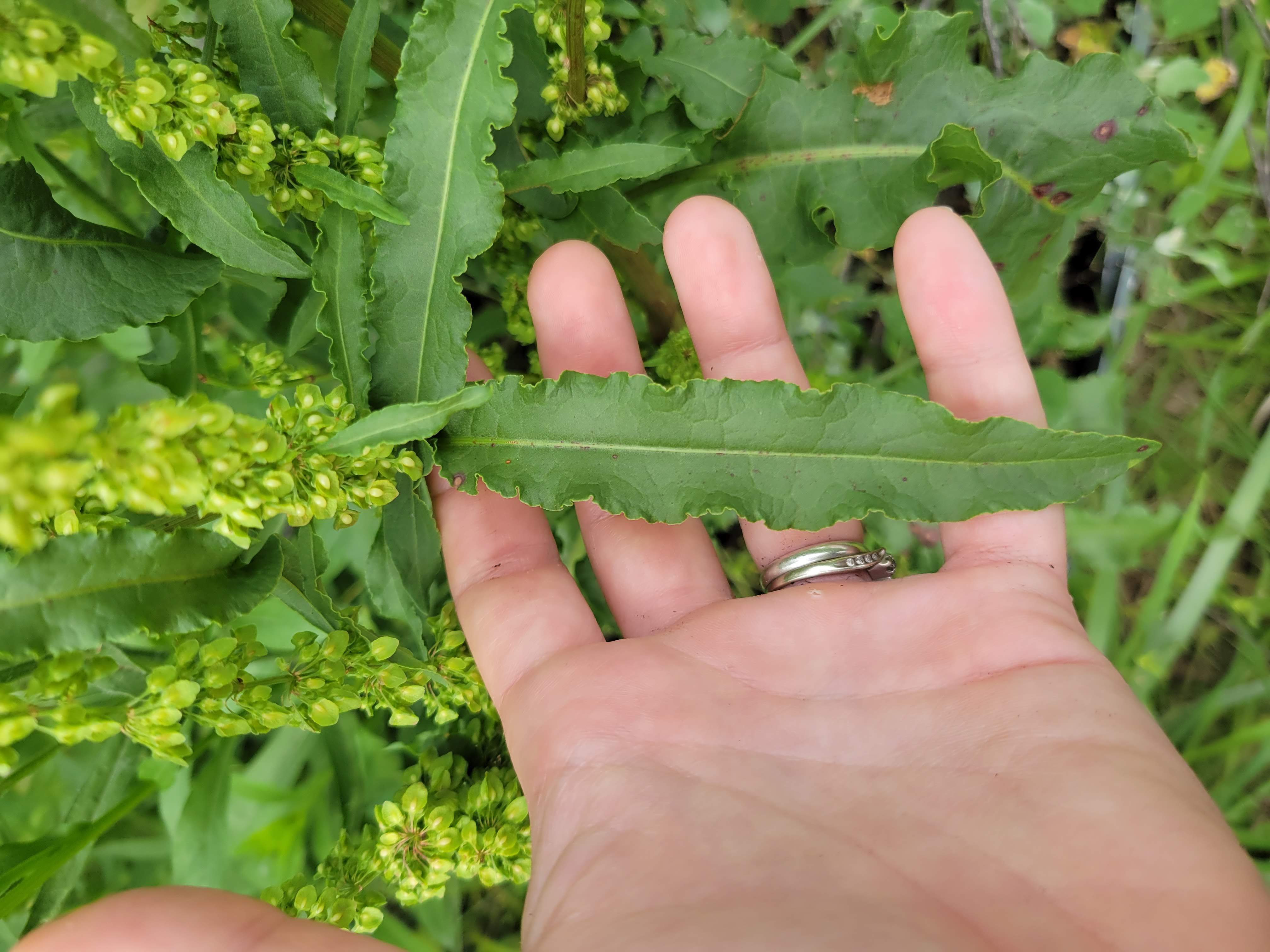
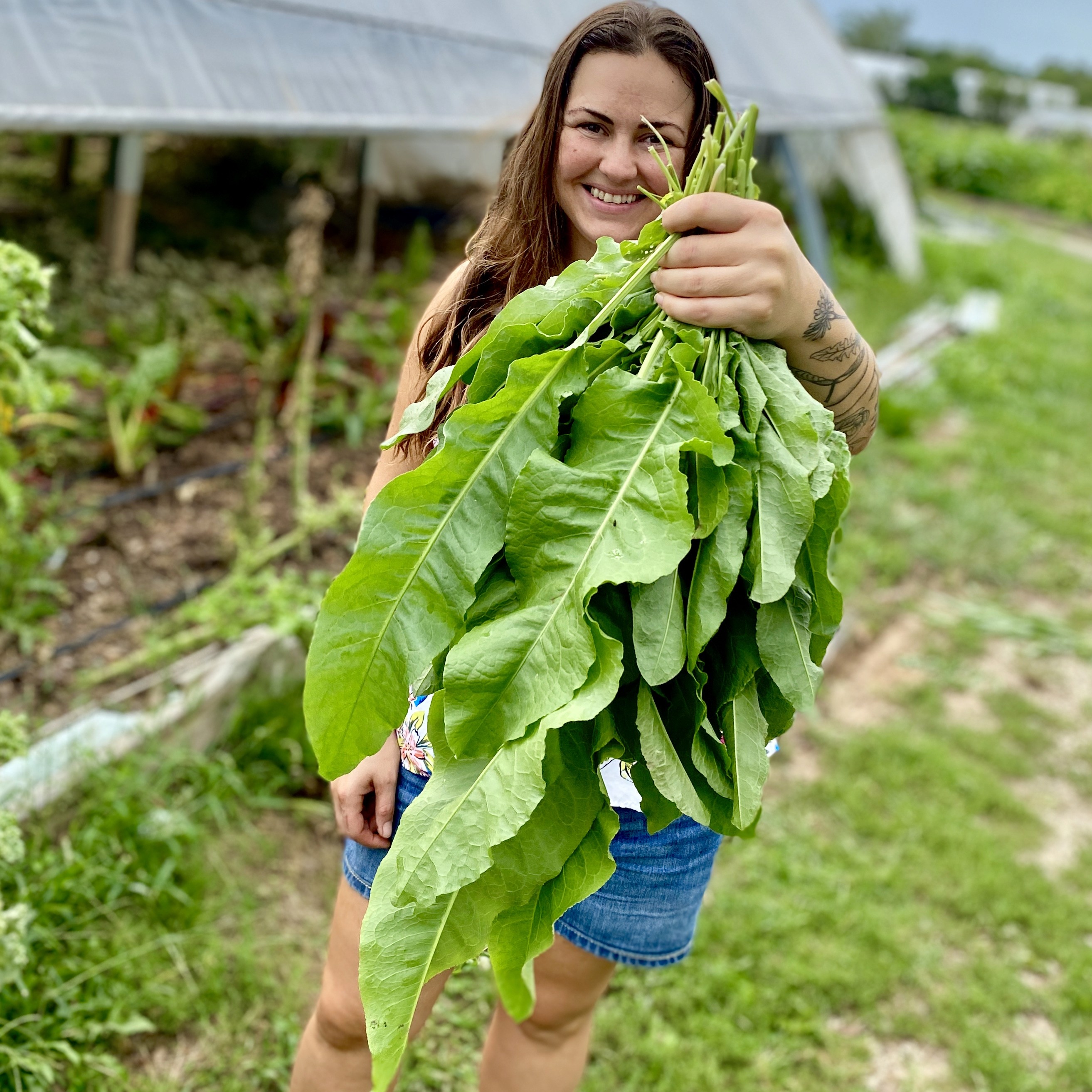
Long, narrow leaves with distinctly wavy or "curly" edges.
Leaves grow in a basal rosette before sending up a tall flower stalk.
Deep taproot that anchors the plant firmly in the soil.
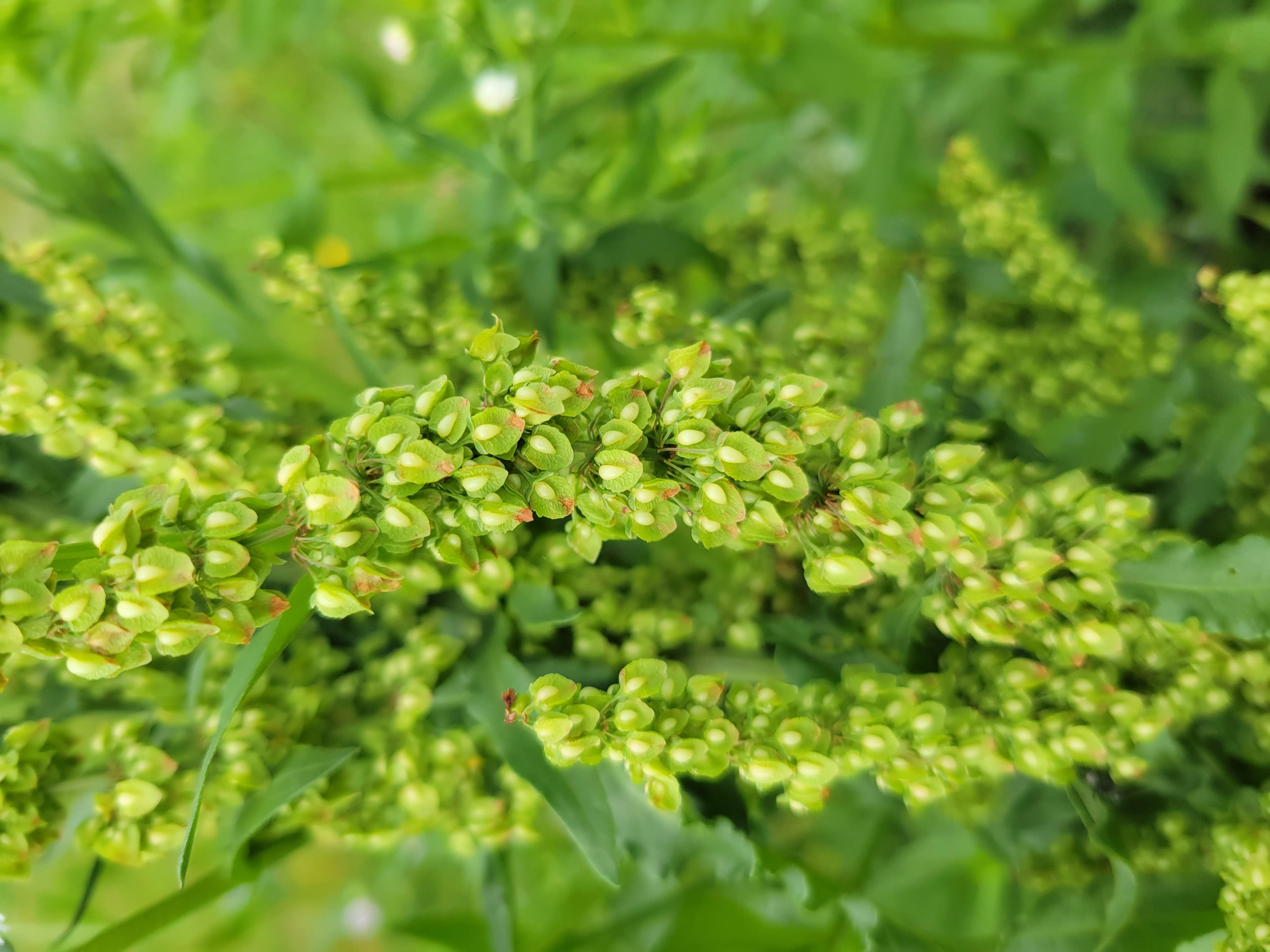
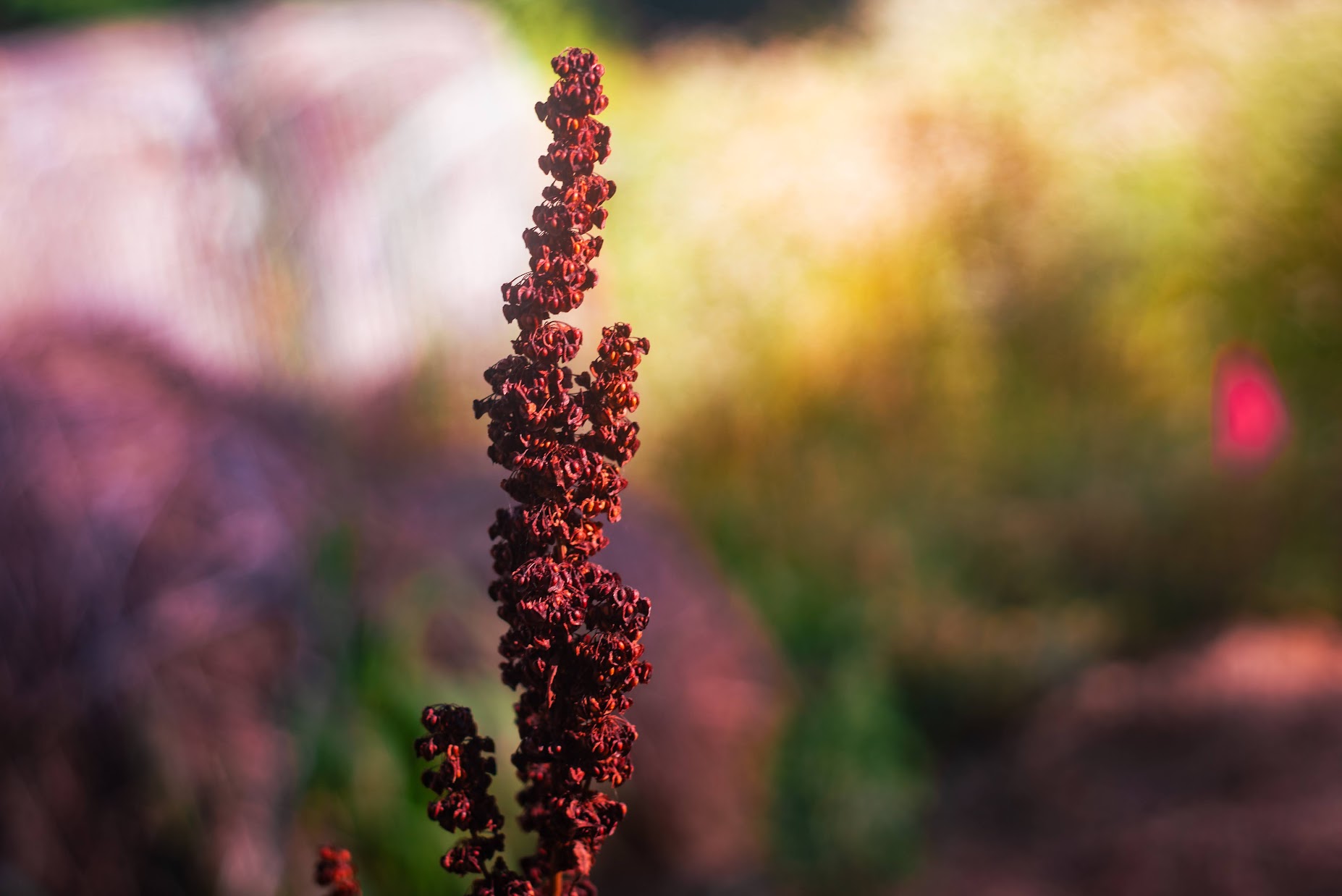
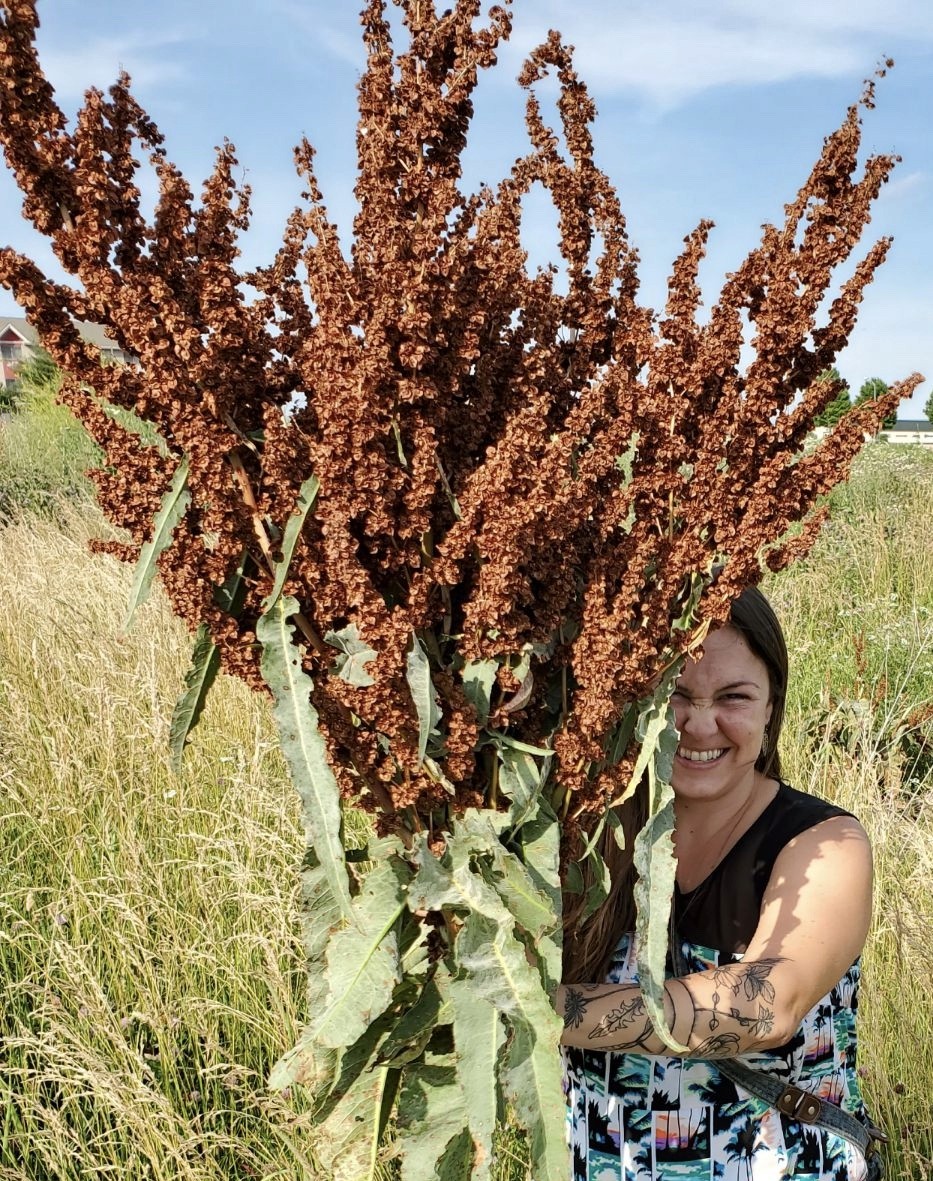
Dense clusters of green flowers that mature into rusty reddish-brown seed stalks.
Dried seed stalks often remain standing all winter.
Tip: Curly dock's rusty seed stalks act like nature's flagpoles. Once you learn to recognize them, you can locate productive patches even in the middle of winter and return for tender spring leaves.
Pioneer green. Tangy tonic. One of the first wild vegetables to reclaim disturbed ground.
What It Is
Curly dock is a hardy perennial that thrives in disturbed soils, pastures, roadsides, old fields, gardens, and ditches throughout much of North America. Its deep taproot, wavy-edged leaves, and tall rust-colored seed stalks make it one of the easiest wild plants to recognize in every season.
Young spring leaves are pleasantly tart with a lemony flavor and are best harvested before the flower stalk appears. As the plant matures, the leaves become increasingly bitter and higher in oxalic acid, making the tender spring growth the preferred harvest. Even after the leaves have passed their prime, the seeds and root continue to offer useful harvests later in the year.
Field ID Quick Tip
Curly dock is one of the easiest plants to recognize in every season.
Long, narrow leaves with distinctly wavy or "curly" edges.
Leaves grow in a basal rosette before sending up a tall flower stalk.
Deep taproot that anchors the plant firmly in the soil.
Dense clusters of green flowers that mature into rusty reddish-brown seed stalks.
Dried seed stalks often remain standing all winter.
Tip: Curly dock's rusty seed stalks act like nature's flagpoles. Once you learn to recognize them, you can locate productive patches even in the middle of winter and return for tender spring leaves.
Use It Like This
Young Leaves
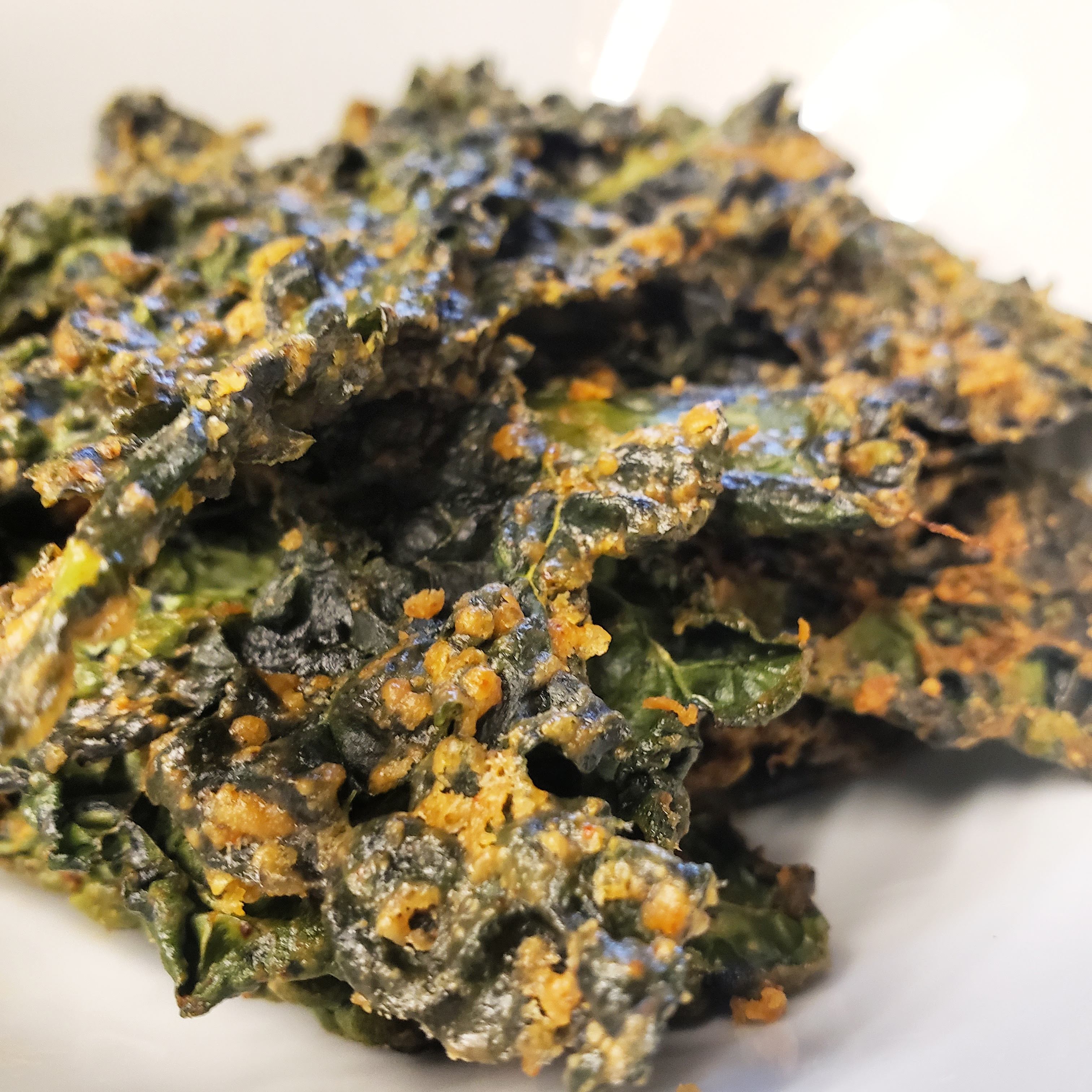
Sauté like spinach with garlic and butter or olive oil.
Chop into omelets, quiches, frittatas, or casseroles.
Blend into pesto with wild garlic, nuts, and lemon juice.
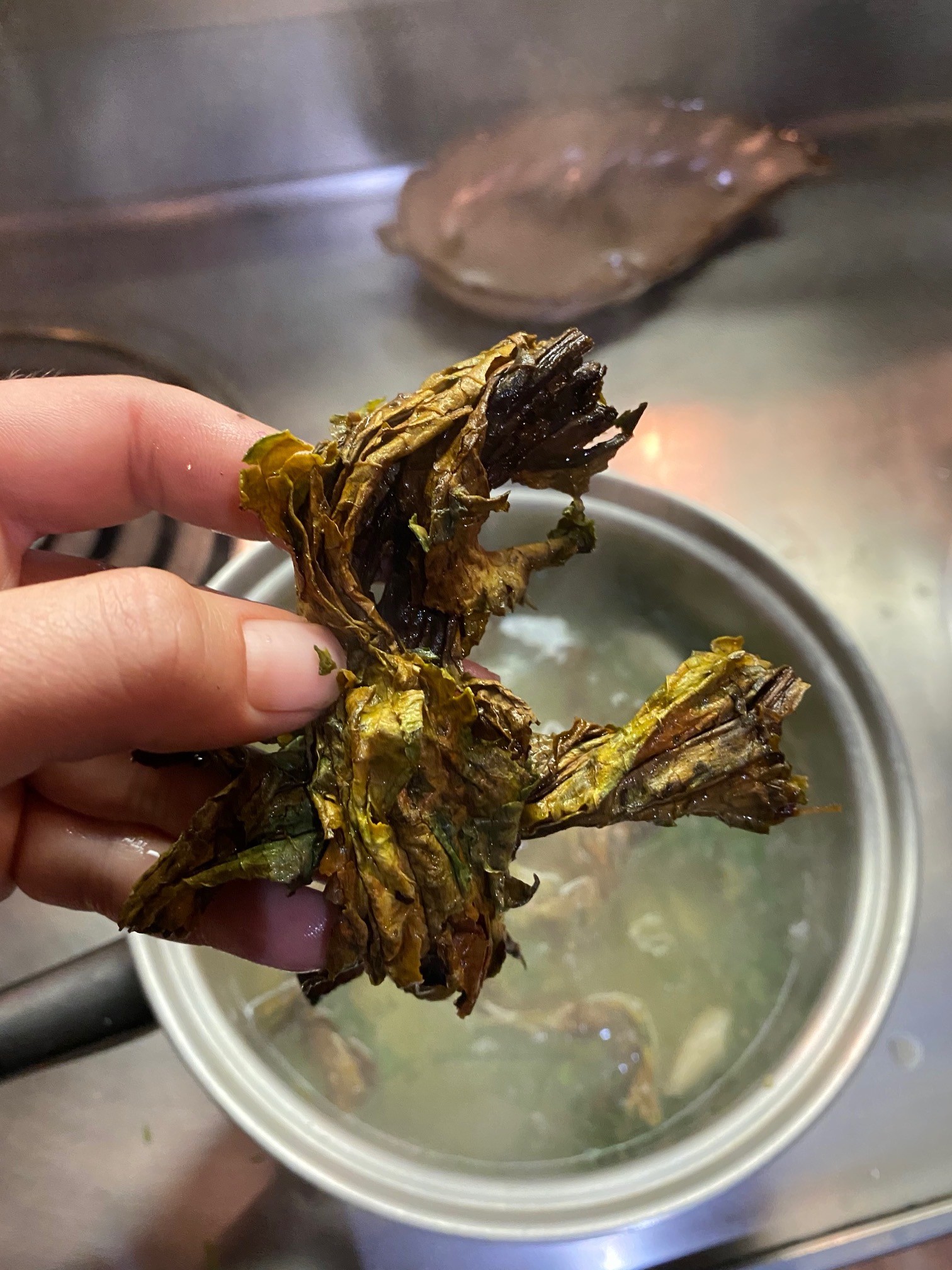
Add to soups and stews for a bright, tangy flavor.
Blanch and freeze for year-round cooking.
Young Flower Stalks
Harvest before flowers open.
Peel away any tough outer fibers.
Steam or sauté like asparagus.
Chop into stir-fries or spring vegetable dishes.
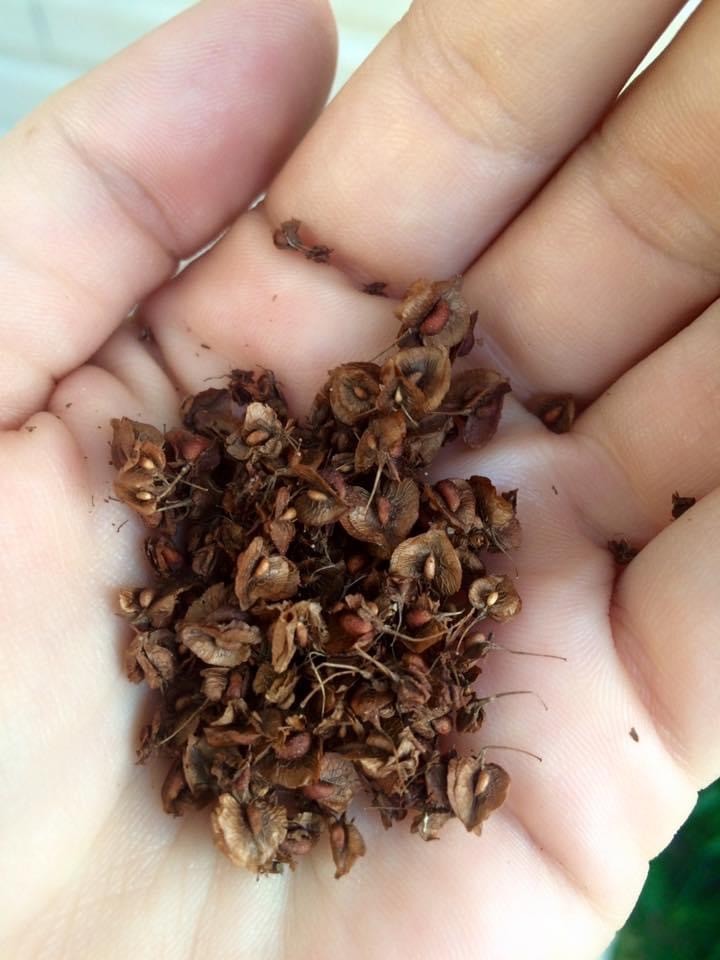
Seeds
Toast lightly for a richer, nuttier flavor.
Grind into flour for crackers, pancakes, or flatbreads.
Mix with other wild flours or grains.
Sprinkle whole into granola or trail mixes.
Root
Harvest in late fall through early spring.
Roast for a coffee substitute or earthy tea.
Dry and powder for traditional herbal preparations.
Best harvested from dormant plants.
Tip: Curly dock "curls" best when the leaves are young. Make a small X-shaped slit at the base of the stem, then place the leaves in ice water for several minutes. The edges naturally curl into decorative ribbons for salads, garnishes, or pickled dishes.
Harvest Notes
Harvest young leaves before the flower stalk emerges for the best flavor and texture.
Pick flower stalks while they're still tender and flexible.
Collect mature seeds once they've turned deep reddish-brown and dry on the stalk.
Dig roots in late fall through early spring, when the plant's energy has returned underground.
Choose plants growing in clean soil away from roadsides, industrial sites, and areas treated with herbicides.
Wash leaves well, as curly dock often grows in sandy or disturbed soils.
Seasonal Tip: Even after the leaves become too tough to enjoy, don't walk past curly dock. The seeds, roots, and even last year's dried stalks can help you identify productive patches for future harvests.
Did You Know?
Curly dock is considered a pioneer species, meaning it's one of the first plants to colonize disturbed ground. Its deep taproot helps break up compacted soil and draw minerals from below the surface, making it an important part of natural soil recovery. Once you learn to recognize it, you'll notice curly dock almost everywhere people have disturbed the landscape.
Ancient Roots
Curly dock is native to Europe and western Asia, where it has been gathered for food and traditional herbal practices for centuries. As agriculture spread, so did curly dock. Its seeds traveled in grain, hay, livestock bedding, and ship ballast, eventually becoming naturalized across much of North America.
Its remarkable success comes from its deep taproot. Acting like an underground pantry, the root stores energy that allows the plant to rebound after grazing, mowing, drought, fire, and cultivation. While many plants disappear when the soil is disturbed, curly dock is often one of the first to return.
For generations, people have harvested that same taproot for food, dyes, and traditional herbal preparations, making curly dock a plant with both ancient history and remarkably deep roots.
Harvest Notes
Harvest young leaves before the flower stalk emerges for the best flavor and texture.
Pick flower stalks while they're still tender and flexible.
Collect mature seeds once they've turned deep reddish-brown and dry on the stalk.
Dig roots in late fall through early spring, when the plant's energy has returned underground.
Choose plants growing in clean soil away from roadsides, industrial sites, and areas treated with herbicides.
Wash leaves well, as curly dock often grows in sandy or disturbed soils.
Seasonal Tip: Even after the leaves become too tough to enjoy, don't walk past curly dock. The seeds, roots, and even last year's dried stalks can help you identify productive patches for future harvests.
Did You Know?
Curly dock is considered a pioneer species, meaning it's one of the first plants to colonize disturbed ground. Its deep taproot helps break up compacted soil and draw minerals from below the surface, making it an important part of natural soil recovery. Once you learn to recognize it, you'll notice curly dock almost everywhere people have disturbed the landscape.
Ancient Roots
Curly dock is native to Europe and western Asia, where it has been gathered for food and traditional herbal practices for centuries. As agriculture spread, so did curly dock. Its seeds traveled in grain, hay, livestock bedding, and ship ballast, eventually becoming naturalized across much of North America.
Its remarkable success comes from its deep taproot. Acting like an underground pantry, the root stores energy that allows the plant to rebound after grazing, mowing, drought, fire, and cultivation. While many plants disappear when the soil is disturbed, curly dock is often one of the first to return.
For generations, people have harvested that same taproot for food, dyes, and traditional herbal preparations, making curly dock a plant with both ancient history and remarkably deep roots.
Harvest Notes
Harvest only young leaves before flowering for the best taste.
Avoid patches exposed to runoff or contamination — dock roots readily absorb heavy metals.
Always cook or blanch before eating; raw dock can be irritating in large amounts due to oxalates.
Wild Pantry Snapshot
Curly dock is one of the most widespread edible greens in North America. Learn to love its tang, and you’ll never run out of wild food.
Harvest Notes
Harvest young leaves before the flower stalk emerges for the best flavor and texture.
Pick flower stalks while they're still tender and flexible.
Collect mature seeds once they've turned deep reddish-brown and dry on the stalk.
Dig roots in late fall through early spring, when the plant's energy has returned underground.
Choose plants growing in clean soil away from roadsides, industrial sites, and areas treated with herbicides.
Wash leaves well, as curly dock often grows in sandy or disturbed soils.
Seasonal Tip: Even after the leaves become too tough to enjoy, don't walk past curly dock. The seeds, roots, and even last year's dried stalks can help you identify productive patches for future harvests.
Did You Know?
Curly dock is considered a pioneer species, meaning it's one of the first plants to colonize disturbed ground. Its deep taproot helps break up compacted soil and draw minerals from below the surface, making it an important part of natural soil recovery. Once you learn to recognize it, you'll notice curly dock almost everywhere people have disturbed the landscape.
Ancient Roots
Curly dock is native to Europe and western Asia, where it has been gathered for food and traditional herbal practices for centuries. As agriculture spread, so did curly dock. Its seeds traveled in grain, hay, livestock bedding, and ship ballast, eventually becoming naturalized across much of North America.
Its remarkable success comes from its deep taproot. Acting like an underground pantry, the root stores energy that allows the plant to rebound after grazing, mowing, drought, fire, and cultivation. While many plants disappear when the soil is disturbed, curly dock is often one of the first to return.
For generations, people have harvested that same taproot for food, dyes, and traditional herbal preparations, making curly dock a plant with both ancient history and remarkably deep roots.