Plant ID Pages

Plant ID Pages

Plant ID Pages

Hummingbird moth with bee balm blossom

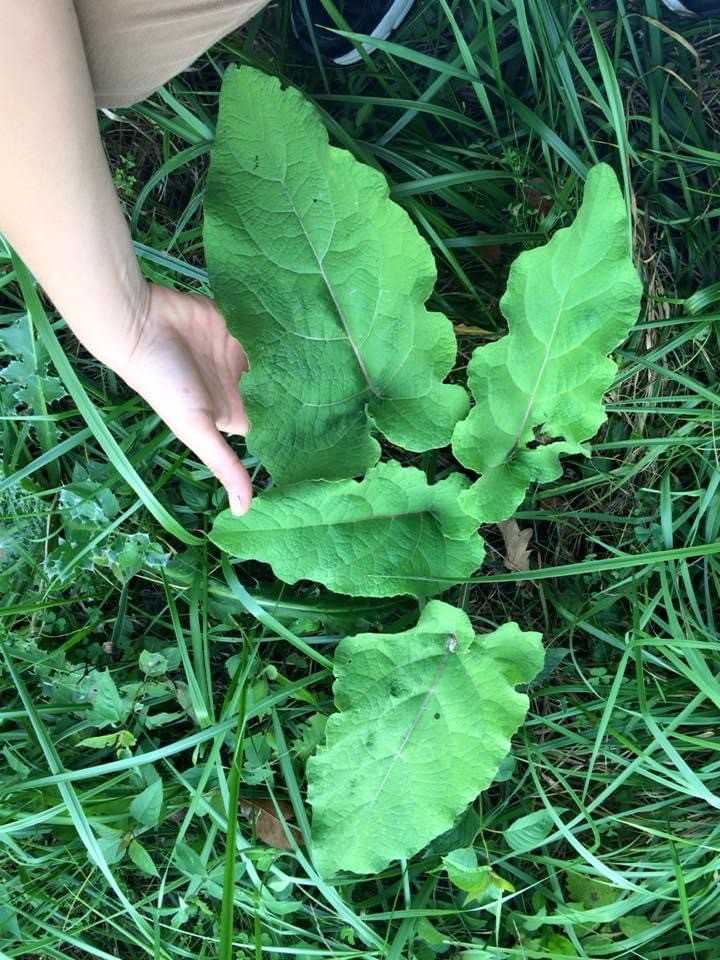
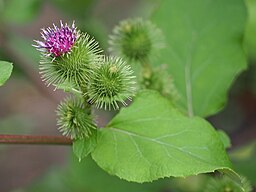
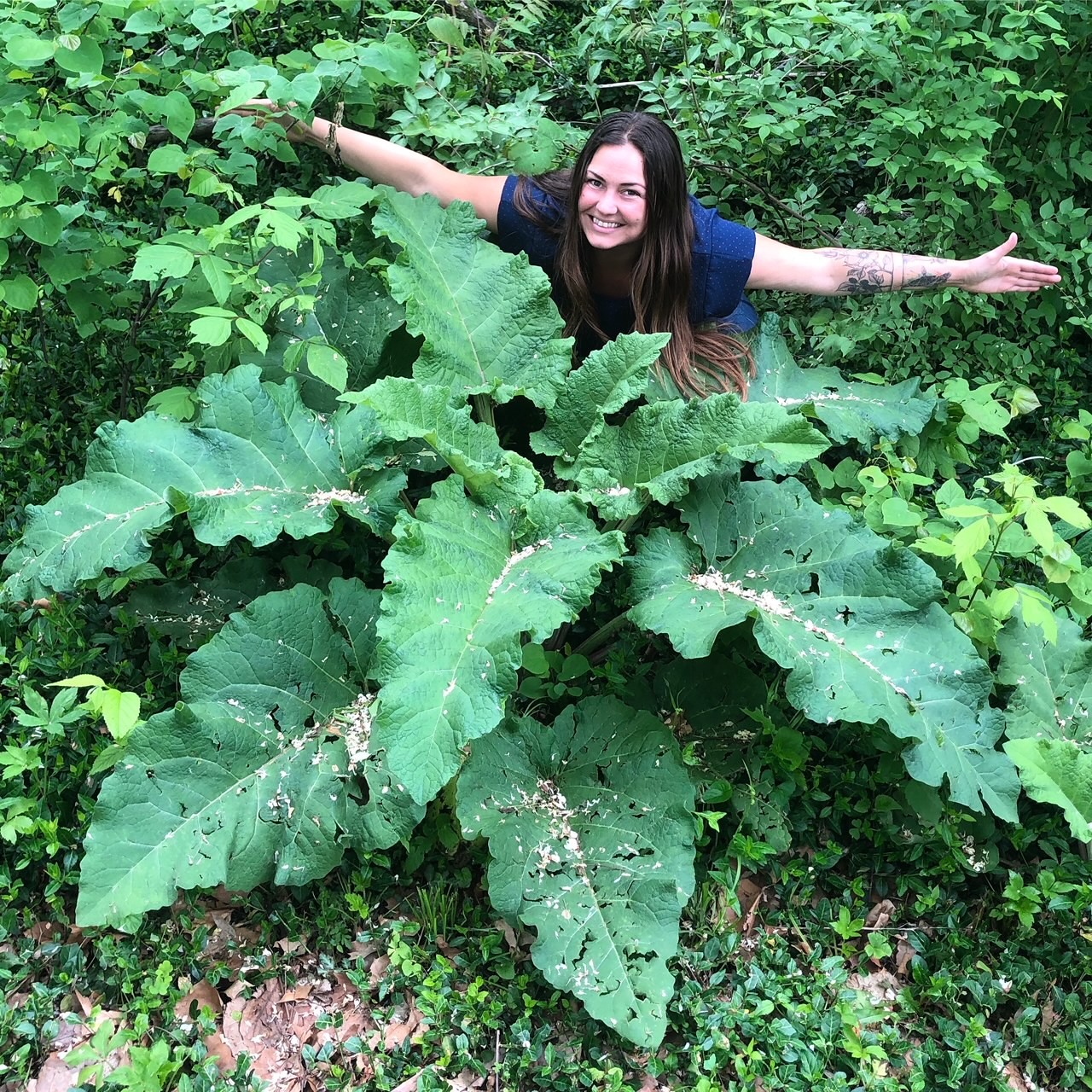
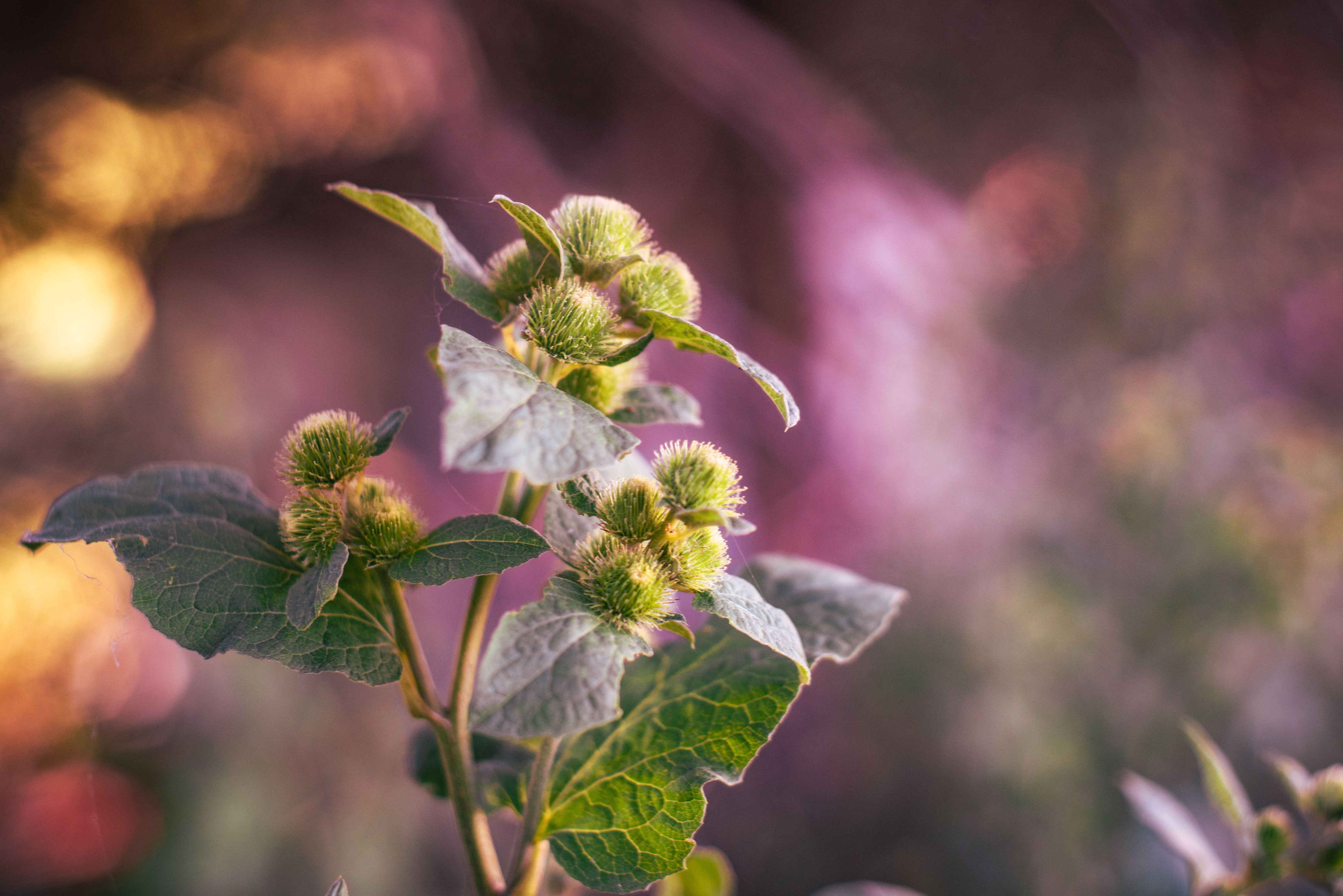
Burdock (Arctium spp.)

Velcro, root medicine, and way more than a weed.

What It Is

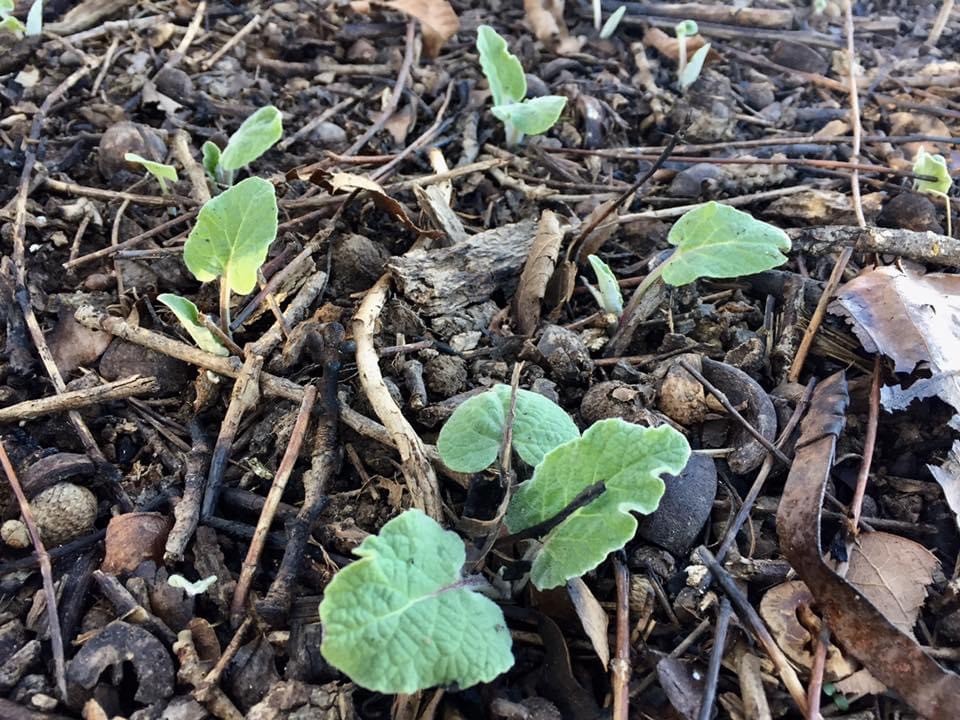
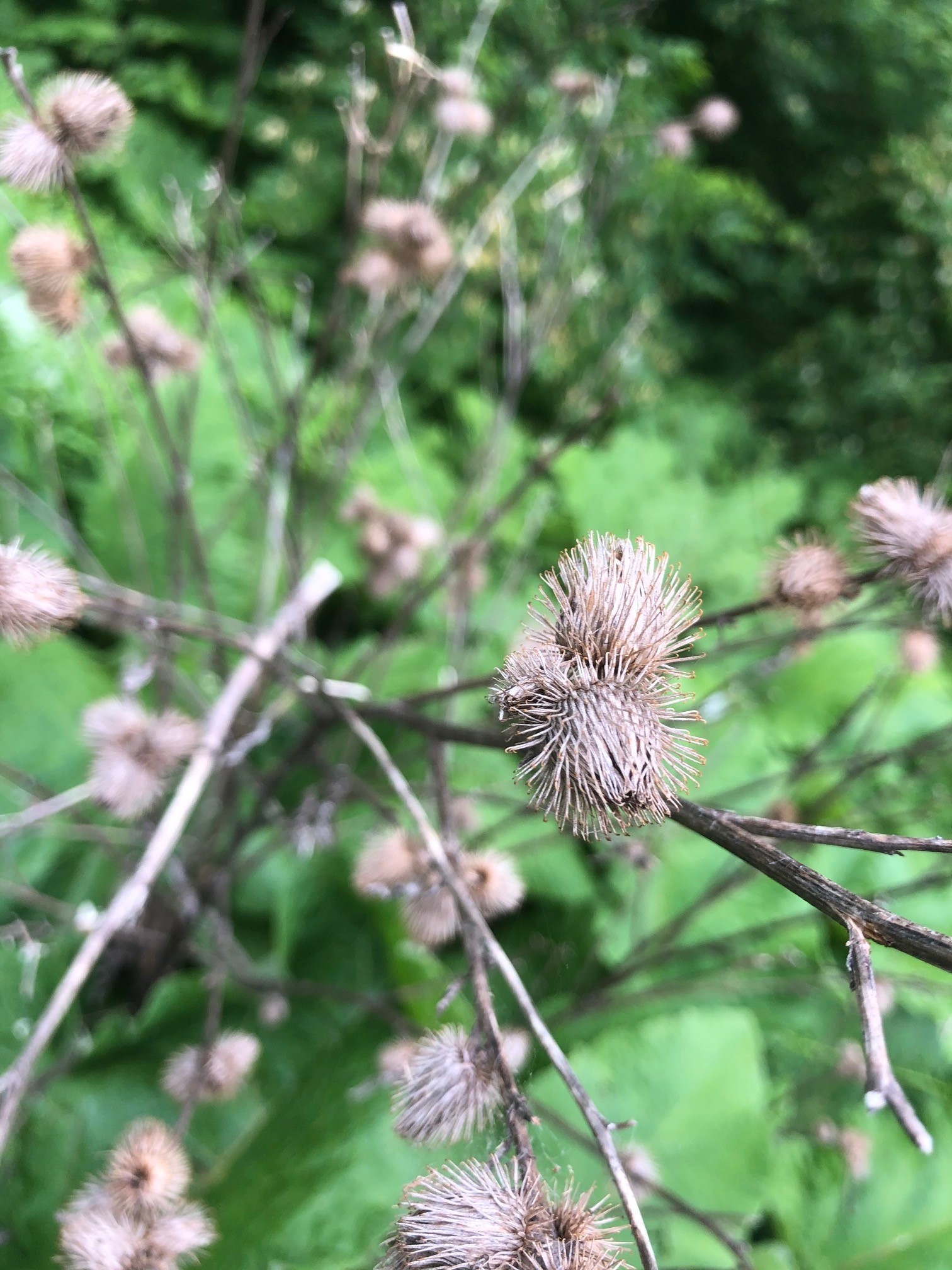
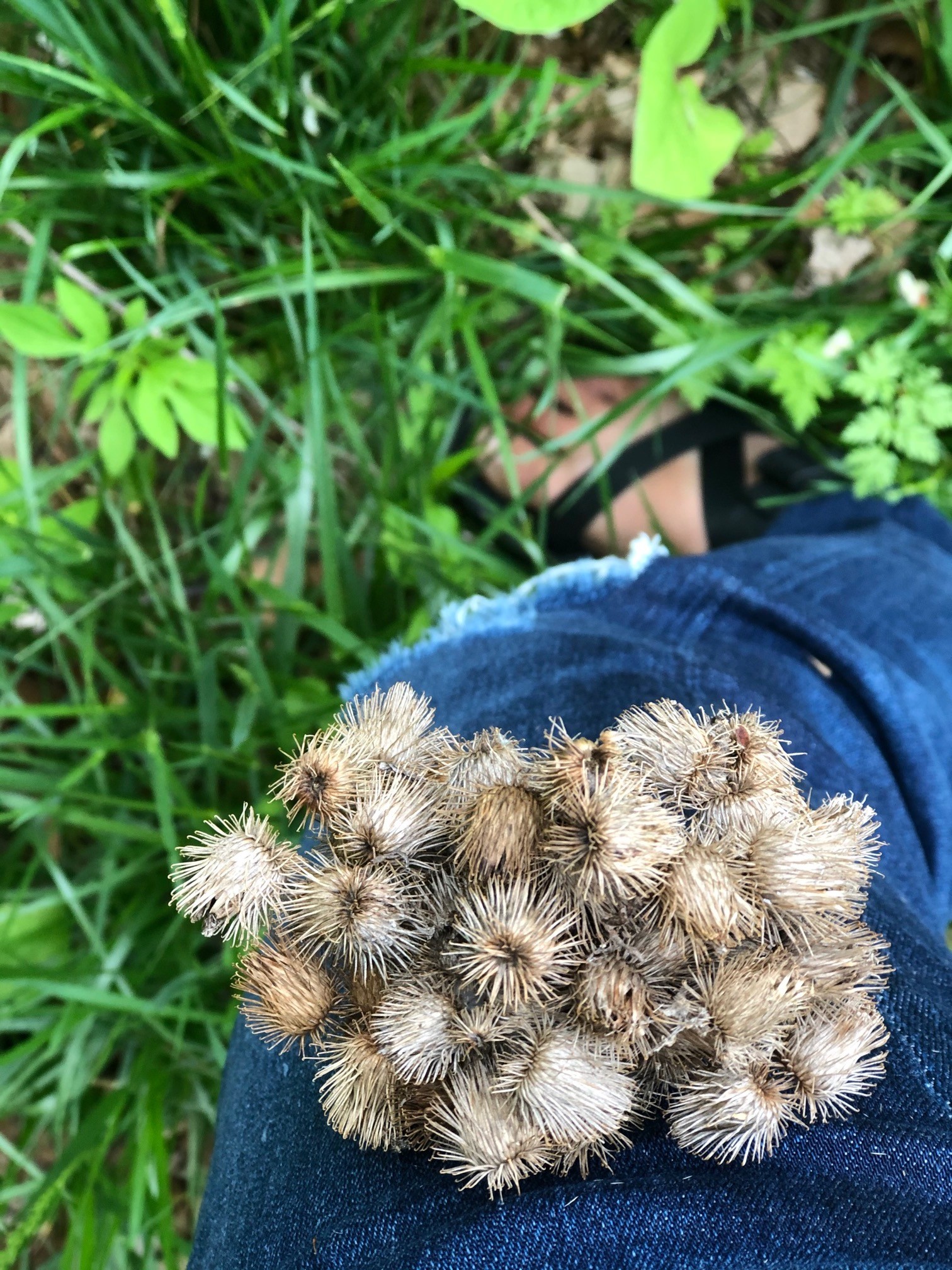
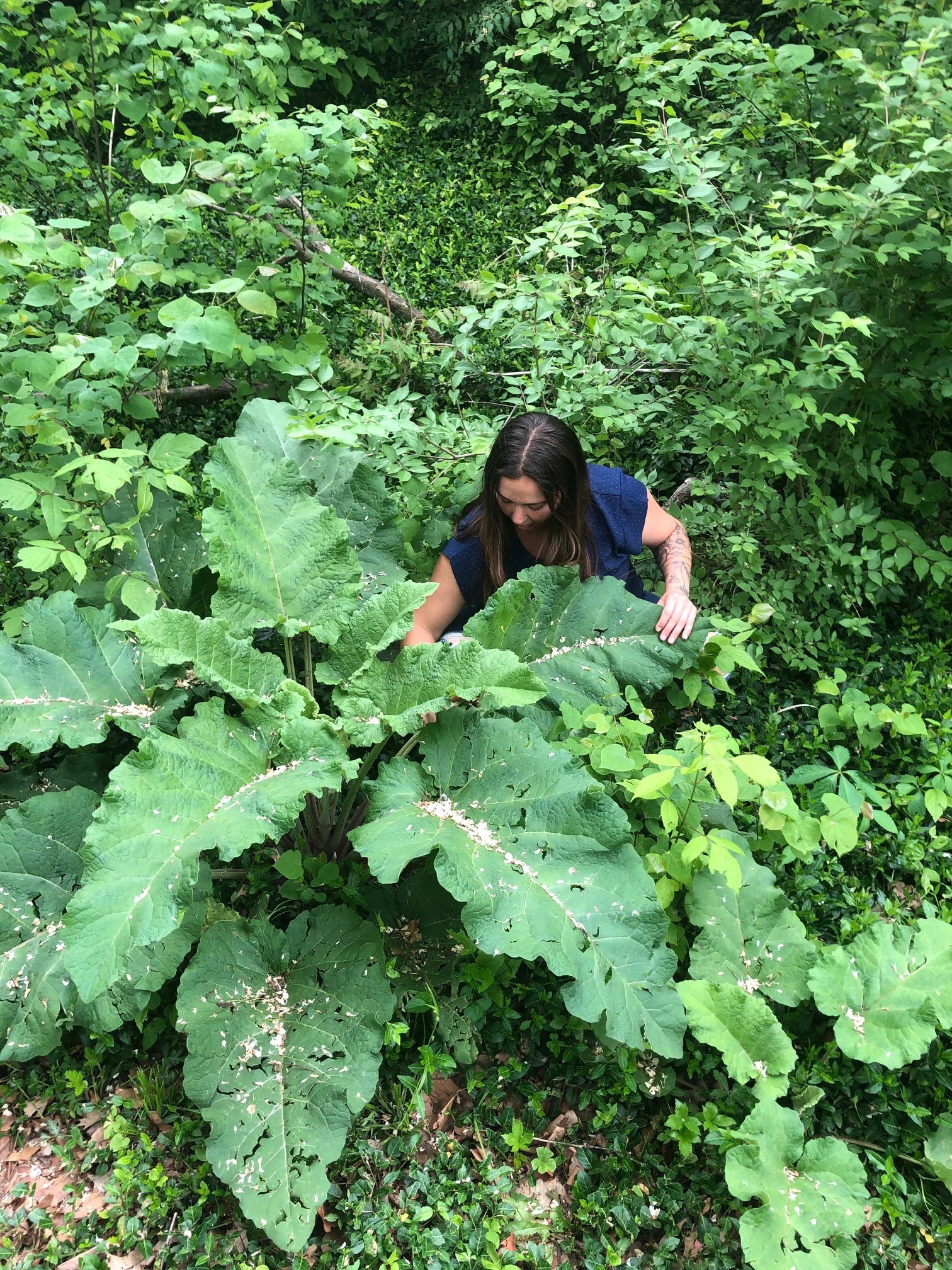
Burdock is a biennial plant known for its massive taproot, fuzzy leaves, and burr-covered seed heads that inspired Velcro.

The root has long been used in food and herbal traditions- think sweet, earthy, and grounding.
Velcro, root medicine, and way more than a weed.

What It Is

Burdock is a biennial plant known for its massive taproot, fuzzy leaves, and burr-covered seed heads that inspired Velcro.

The root has long been used in food and herbal traditions- think sweet, earthy, and grounding.
Use It Like This

  • Peel, slice, and roast (like carrots or parsnips)

  • Simmer into soups or stews

  • Dry and powder for teas or tincture bases

  • Shave raw into slaws with vinegar or sesame

  • Ferment into wild burdock pickles

Tip: Second-year roots are tougher. First-year burdock is ideal for culinary use.

Harvest Notes

  • Use a shovel or narrow spade — roots go deep

  • Harvest in fall of year one or early spring of year two

  • Watch for lookalikes like cocklebur and curly dock

  • Always dig away from contaminated soils or roadsides


    Herbal Snapshot

    Traditionally used for skin health, digestion, and lymphatic support.

    Consult a qualified herbalist if using for therapeutic purposes.

Harvest Notes

  • Use a shovel or narrow spade — roots go deep

  • Harvest in fall of year one or early spring of year two

  • Watch for lookalikes like cocklebur and curly dock

  • Always dig away from contaminated soils or roadsides


    Herbal Snapshot

    Traditionally used for skin health, digestion, and lymphatic support.

    Consult a qualified herbalist if using for therapeutic purposes.

Students identifying and sorting edible wild plants as part of a foraging certification course.
Group of students processing acorns together during a foraging class, representing shared learning and scholarship.
Fresh wild greens and berries in a wooden bowl, representing the hands-on results of Foraging Academy’s certification classes.
Students identifying and sorting edible wild plants as part of a foraging certification course.
Fresh wild greens and berries in a wooden bowl, representing the hands-on results of Foraging Academy’s certification classes.
Group of students processing acorns together during a foraging class, representing shared learning and scholarship.