Plant ID Pages
Plant ID Pages
Plant ID Pages

Black Walnut (Juglans Nigra)
Bold, earthy, and worth the mess. One of North America's richest wild nuts.
What It Is
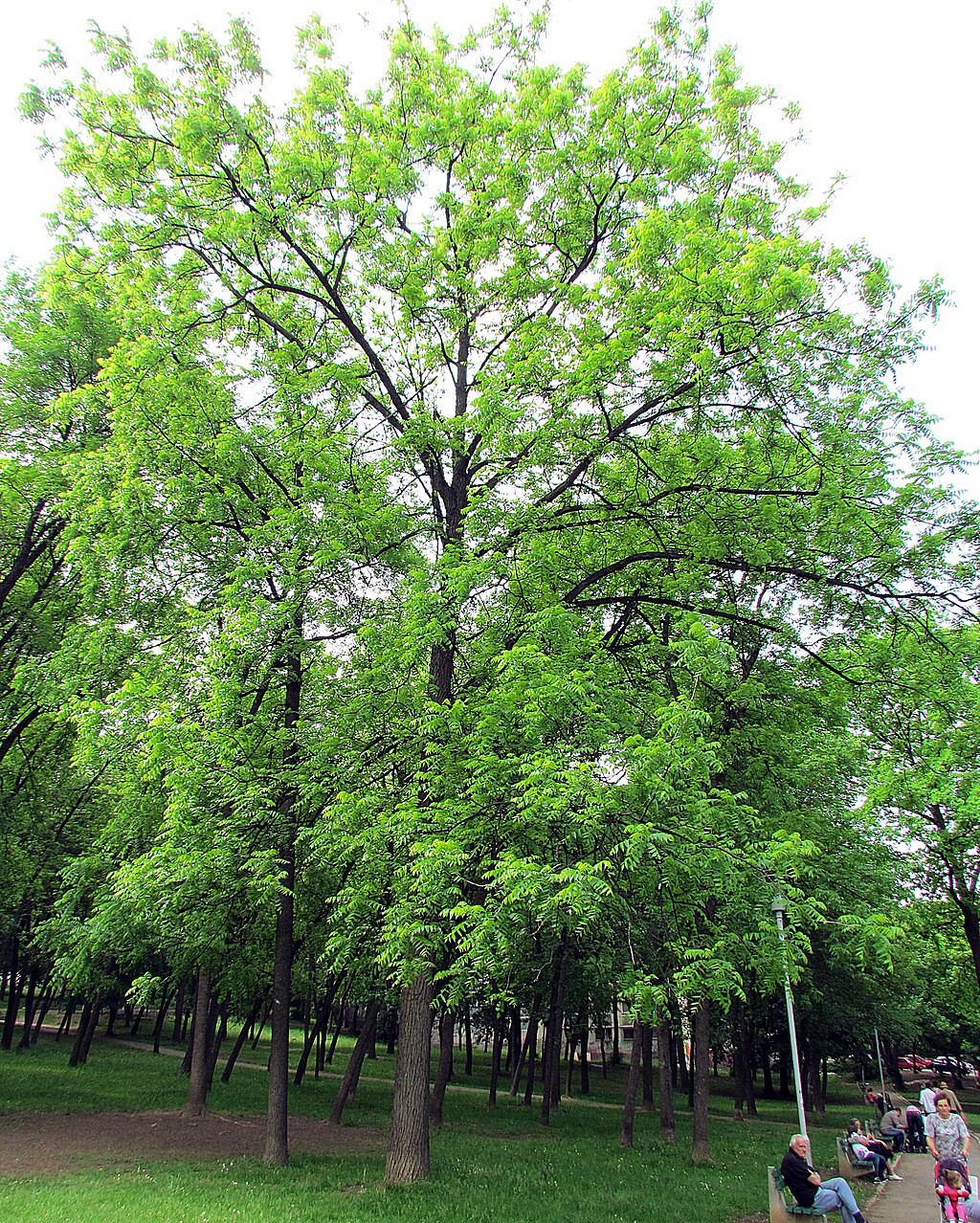
Black walnut is a large native hardwood found throughout much of eastern and central North America. Its deeply furrowed bark, compound leaves, round green husks, and rich, flavorful nuts make it one of the most recognizable trees in the forest.
Every part of the tree has been put to use. The nuts are prized for their bold flavor, the sap can be boiled into syrup, the hulls produce beautiful natural dyes, and the wood is considered one of the finest cabinet woods in North America.
Field ID Quick Tip
Black walnut is easiest to recognize in late summer and fall.
Look for:
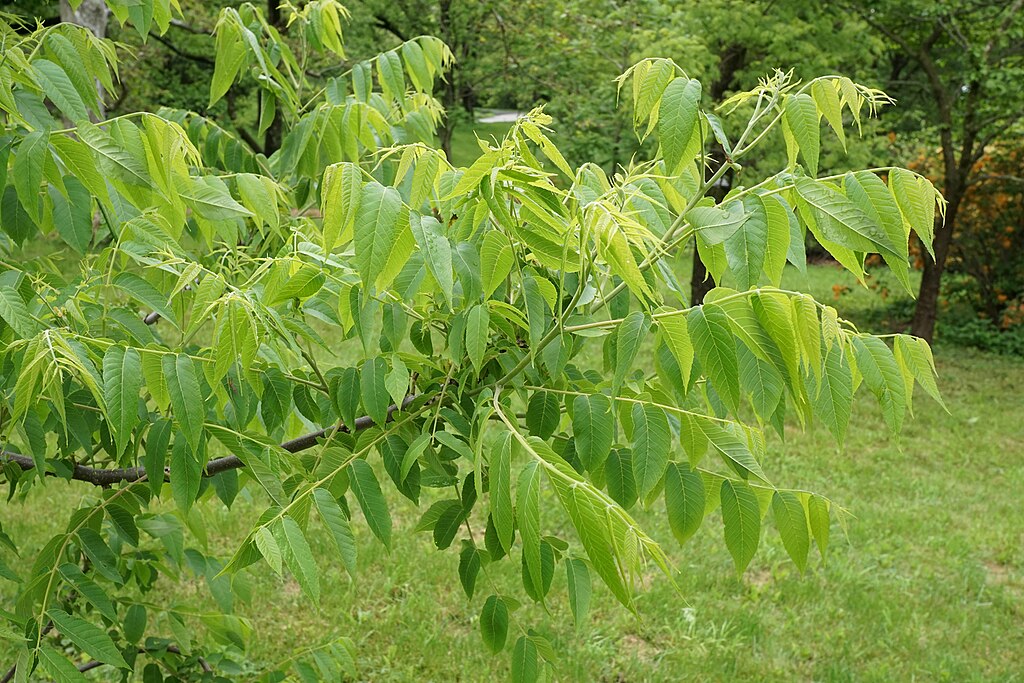
Large compound leaves with 15–23 narrow leaflets.
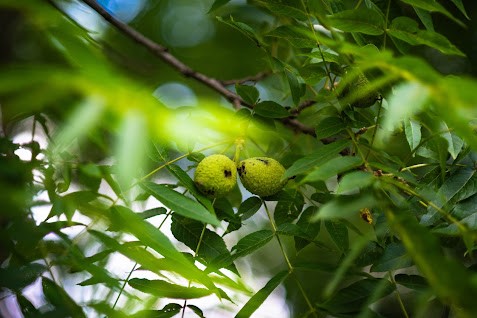
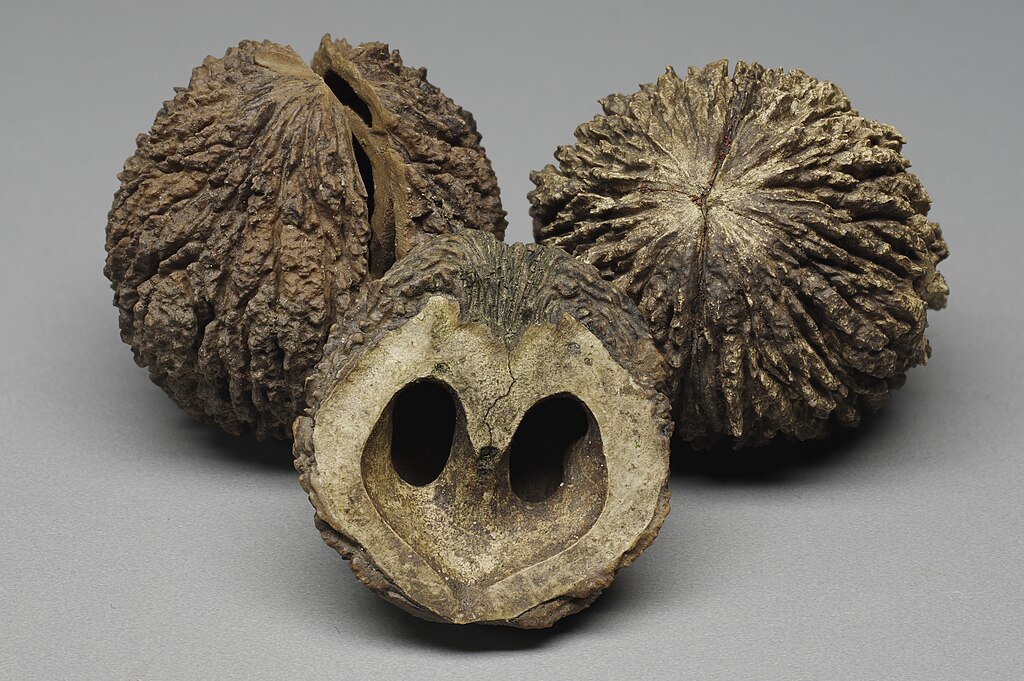
Round green fruits about the size of a tennis ball.
Dark, deeply furrowed bark with diamond-shaped ridges.
A chambered pith inside young twigs.
Strong citrus-like aroma when the husks are crushed.
Tip: Walnut fruits stay whole when they fall. Hickories split into four sections as they ripen, while black walnut husks remain intact until they begin to decay.
Bold, earthy, and worth the mess. One of North America's richest wild nuts.
What It Is
Black walnut is a large native hardwood found throughout much of eastern and central North America. Its deeply furrowed bark, compound leaves, round green husks, and rich, flavorful nuts make it one of the most recognizable trees in the forest.
Every part of the tree has been put to use. The nuts are prized for their bold flavor, the sap can be boiled into syrup, the hulls produce beautiful natural dyes, and the wood is considered one of the finest cabinet woods in North America.
Field ID Quick Tip
Black walnut is easiest to recognize in late summer and fall.
Look for:
Large compound leaves with 15–23 narrow leaflets.
Round green fruits about the size of a tennis ball.
Dark, deeply furrowed bark with diamond-shaped ridges.
A chambered pith inside young twigs.
Strong citrus-like aroma when the husks are crushed.
Tip: Walnut fruits stay whole when they fall. Hickories split into four sections as they ripen, while black walnut husks remain intact until they begin to decay.
Use It Like This
Nuts
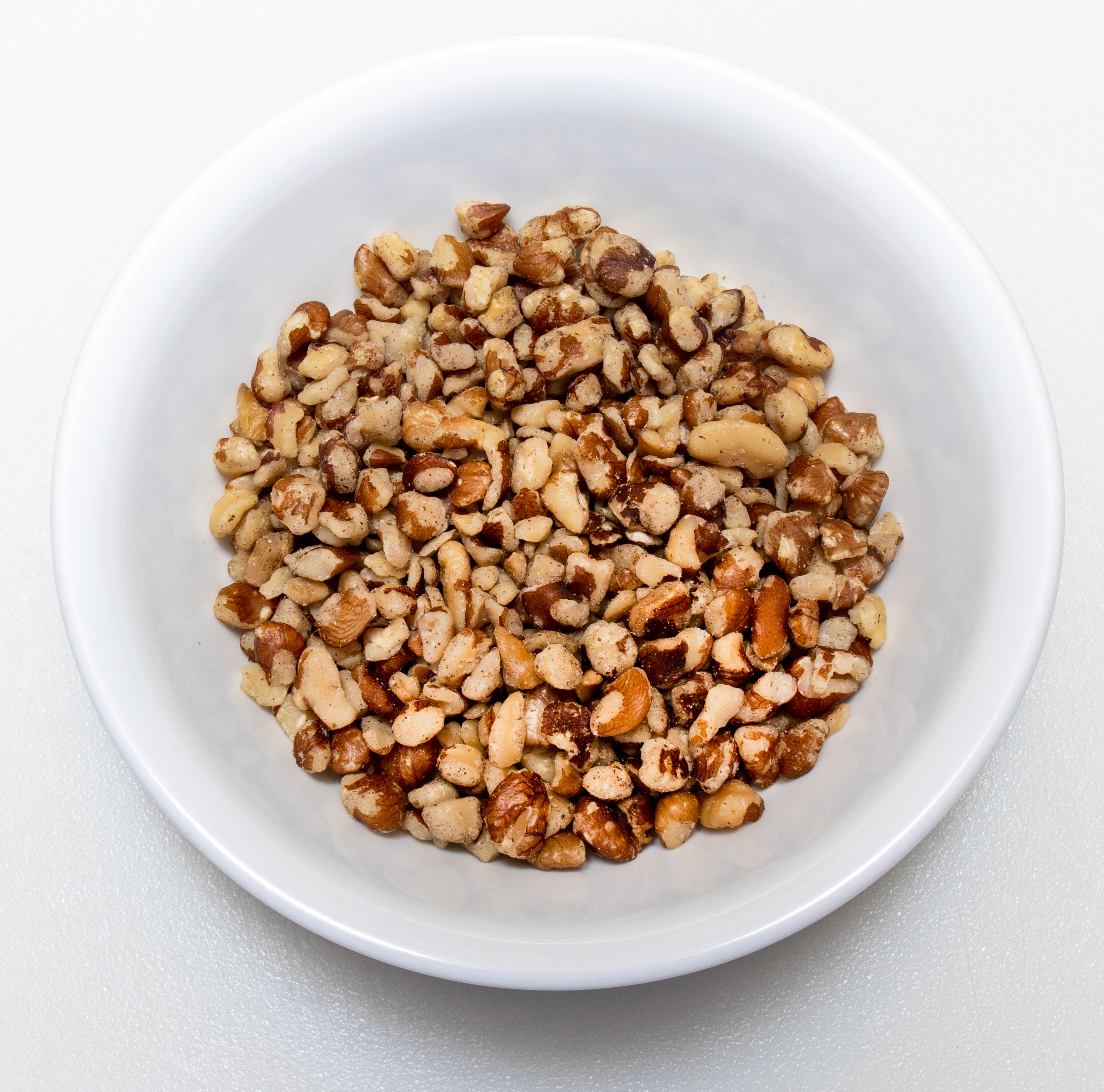
Eat fresh after curing.
Roast for a deeper flavor.
Bake into cookies, cakes, breads, and pies.
Add to salads, pesto, granola, or ice cream.
Blend into rich homemade nut butter.
Sap
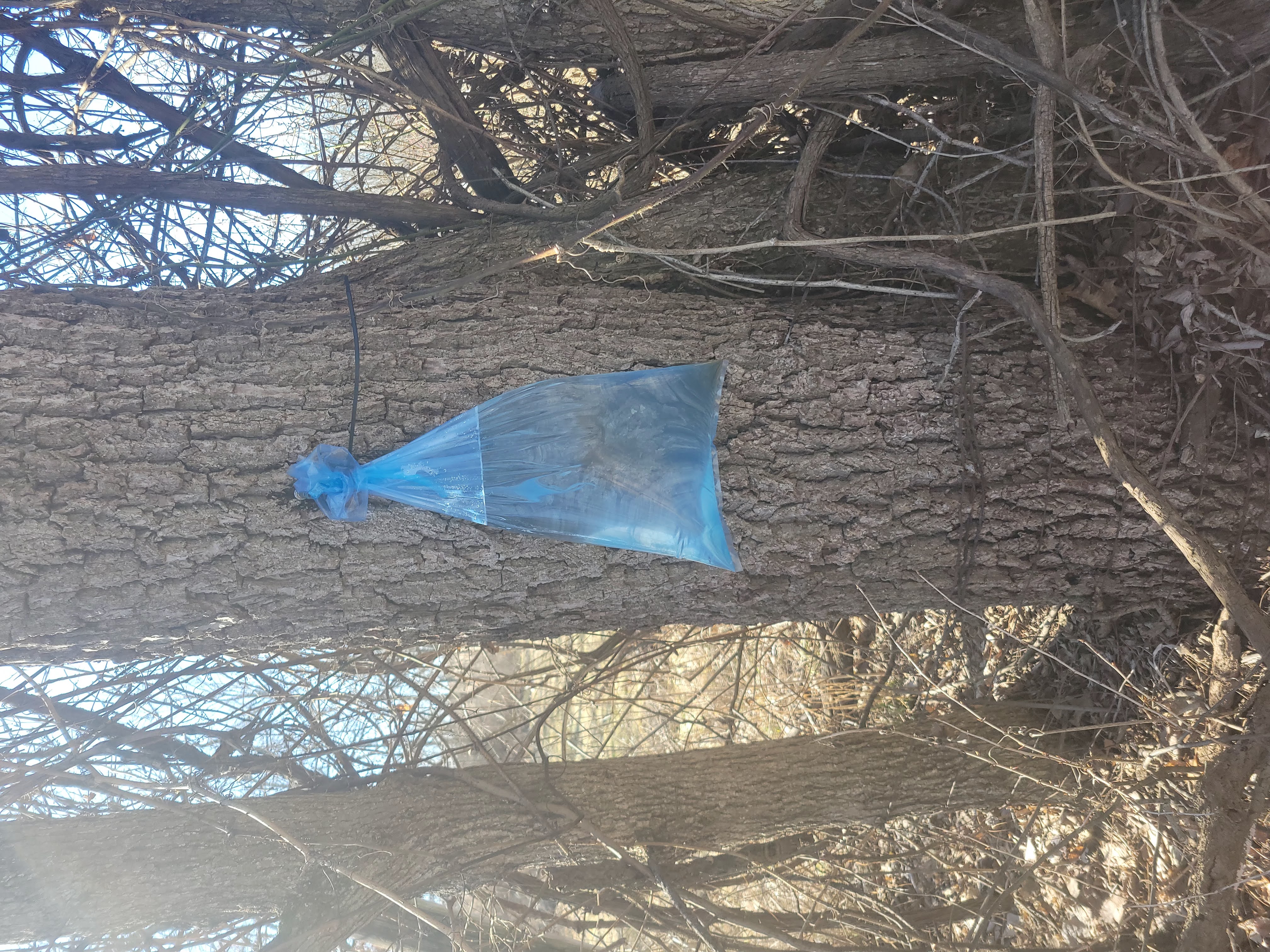
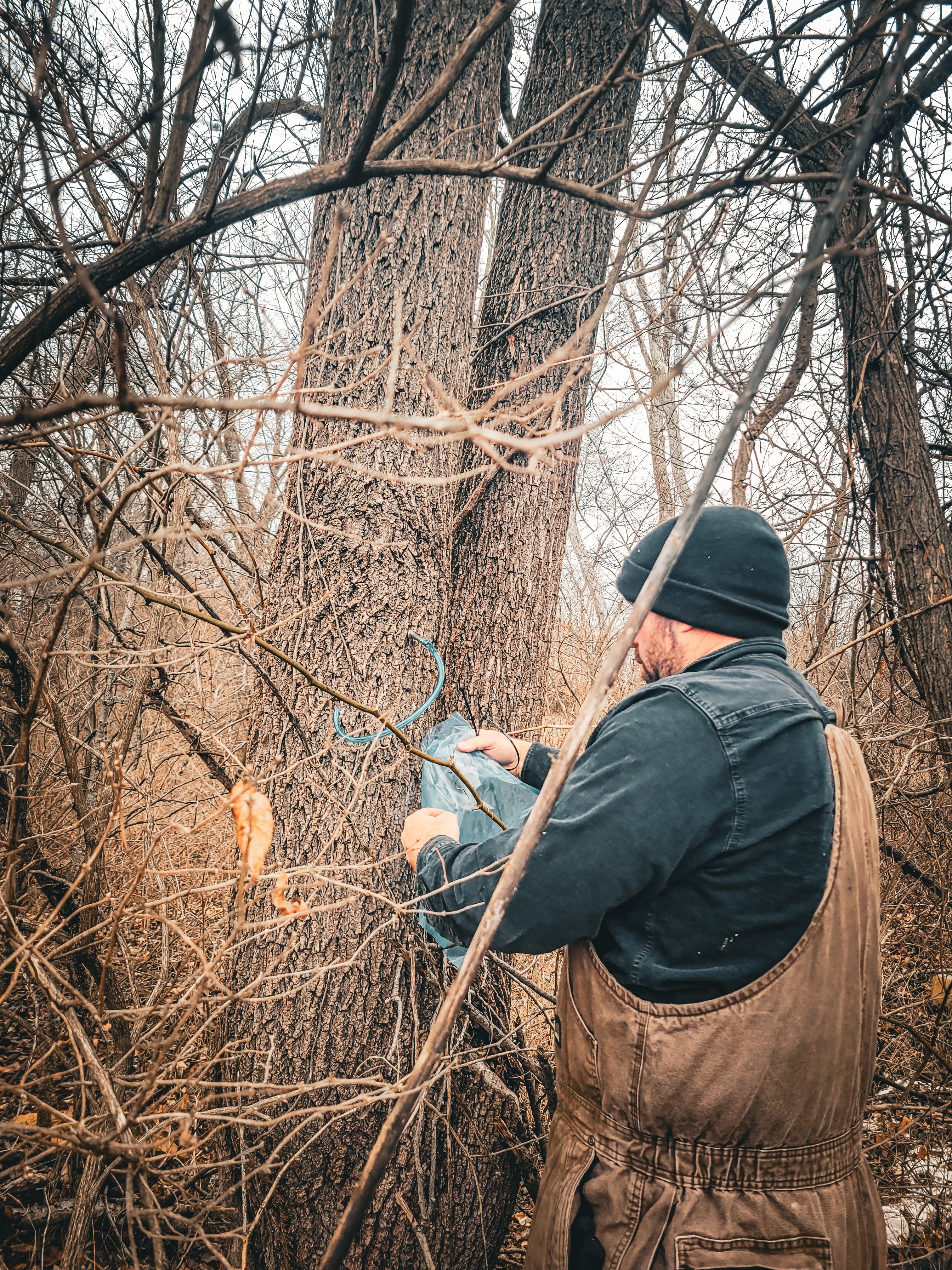
Tap in late winter for syrup.
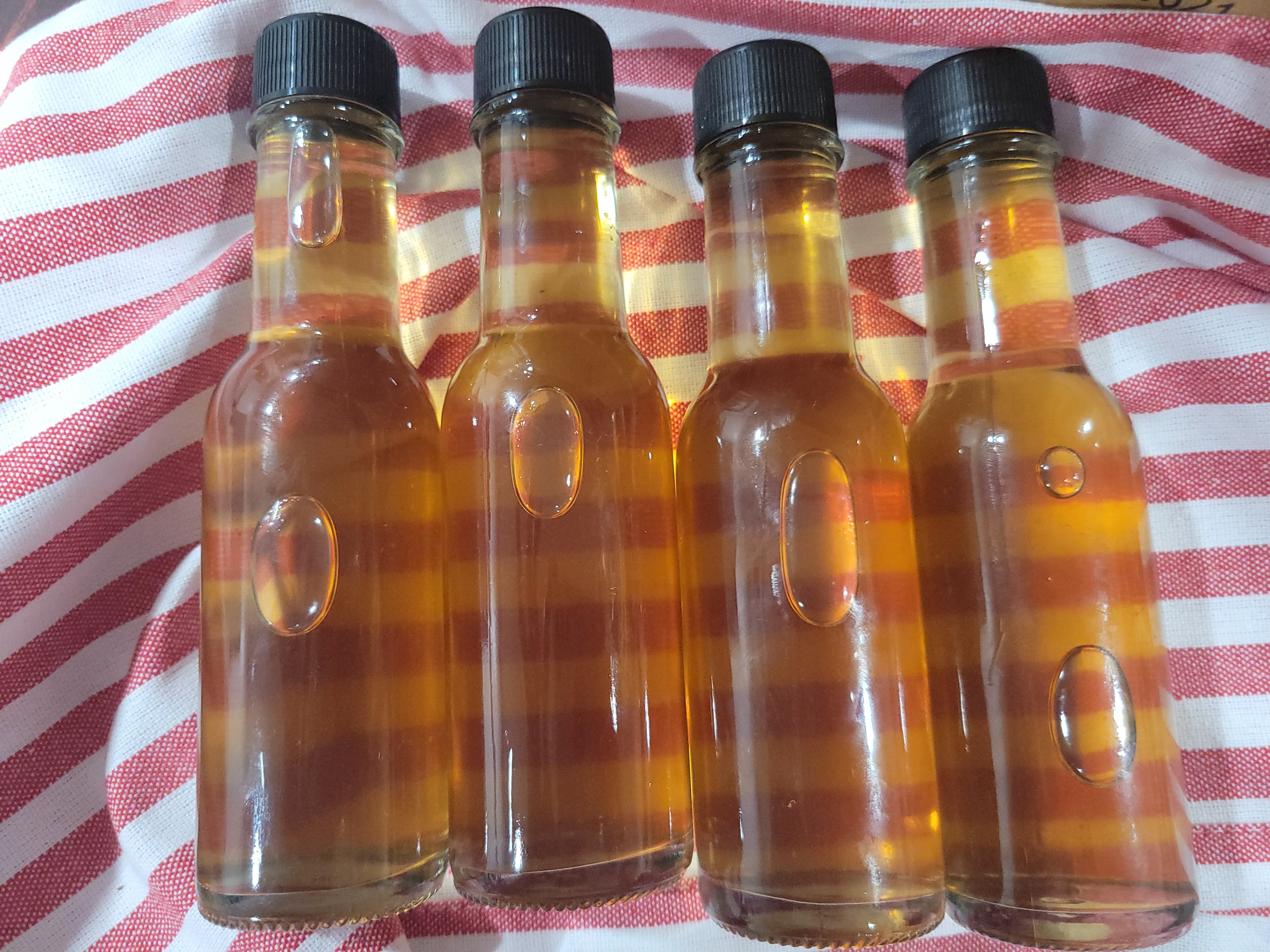
Boil into a rich, dark syrup with earthy, nutty notes.
Blend with maple sap for unique flavor combinations.
Drink fresh as a lightly sweet spring beverage.
Green Hulls
Make natural wood stain.
Produce rich brown and nearly black fabric dyes.
Create traditional writing inks.
Use for historical craft demonstrations.
Leaves
Traditionally used in folk herbalism as a vermifuge.
Occasionally incorporated into historical dye and composting practices.
Best appreciated today as part of the tree's rich ethnobotanical history rather than as a modern remedy.
Wood
Build fine furniture and cabinetry.
Carve bowls and woodworking projects.
Craft gunstocks and tool handles.
Burn only lower-grade wood, as quality lumber is extremely valuable.
Tip: Wear gloves when handling fresh hulls. The dark stain can linger on skin for days and permanently color clothing, wood, and concrete.
Use It Like This
Nuts
Eat fresh after curing.
Roast for a deeper flavor.
Bake into cookies, cakes, breads, and pies.
Add to salads, pesto, granola, or ice cream.
Blend into rich homemade nut butter.
Sap
Tap in late winter for syrup.
Boil into a rich, dark syrup with earthy, nutty notes.
Blend with maple sap for unique flavor combinations.
Drink fresh as a lightly sweet spring beverage.
Green Hulls
Make natural wood stain.
Produce rich brown and nearly black fabric dyes.
Create traditional writing inks.
Use for historical craft demonstrations.
Leaves
Traditionally used in folk herbalism as a vermifuge.
Occasionally incorporated into historical dye and composting practices.
Best appreciated today as part of the tree's rich ethnobotanical history rather than as a modern remedy.
Wood
Build fine furniture and cabinetry.
Carve bowls and woodworking projects.
Craft gunstocks and tool handles.
Burn only lower-grade wood, as quality lumber is extremely valuable.
Tip: Wear gloves when handling fresh hulls. The dark stain can linger on skin for days and permanently color clothing, wood, and concrete.
Did You Know?
Black walnut trees naturally produce juglone, a compound released by the roots, leaves, and hulls that can inhibit the growth of certain nearby plants. Tomatoes, potatoes, apples, and some ornamentals are especially sensitive, while many native woodland species grow happily beneath walnut trees.
Ancient Roots
Black walnuts have nourished people across North America for thousands of years. Indigenous communities gathered and stored the nutritious nuts, used the hulls for dyes, and valued the wood for tools and craftsmanship. Early settlers quickly adopted many of these uses, and black walnut became one of the continent's most valuable timber species.
Wild Pantry Snapshot
Black walnut is bold in every sense. Its nuts reward patience with unforgettable flavor, its sap produces a distinctive syrup, its hulls become dye and ink, and its wood has furnished homes for generations. Few trees offer as much to both the pantry and the workshop as this remarkable native hardwood.
Don't judge a walnut by the grocery store.
Wild black walnuts have a much bolder, earthier flavor than the mild English walnuts sold in supermarkets. They're harder to crack, but many foragers consider the reward well worth the effort.
Did You Know?
Black walnut trees naturally produce juglone, a compound released by the roots, leaves, and hulls that can inhibit the growth of certain nearby plants. Tomatoes, potatoes, apples, and some ornamentals are especially sensitive, while many native woodland species grow happily beneath walnut trees.
Ancient Roots
Black walnuts have nourished people across North America for thousands of years. Indigenous communities gathered and stored the nutritious nuts, used the hulls for dyes, and valued the wood for tools and craftsmanship. Early settlers quickly adopted many of these uses, and black walnut became one of the continent's most valuable timber species.
Wild Pantry Snapshot
Black walnut is bold in every sense. Its nuts reward patience with unforgettable flavor, its sap produces a distinctive syrup, its hulls become dye and ink, and its wood has furnished homes for generations. Few trees offer as much to both the pantry and the workshop as this remarkable native hardwood.
Don't judge a walnut by the grocery store.
Wild black walnuts have a much bolder, earthier flavor than the mild English walnuts sold in supermarkets. They're harder to crack, but many foragers consider the reward well worth the effort.